

What is a Dry Sand Pneumatic Conveying Equipment? What are its Design Principles?
Understanding dry sand pneumatic conveying equipment is crucial for industries dealing with bulk material handling, especially when it comes to efficiently transporting dry sand. This equipment utilizes air as the medium to move dry sand particles from one location to another, offering a flexible and often more cost-effective alternative to traditional mechanical conveying systems. The design principles behind these systems are centered on creating a reliable and efficient method for transporting dry sand, ensuring minimal loss and optimal performance.
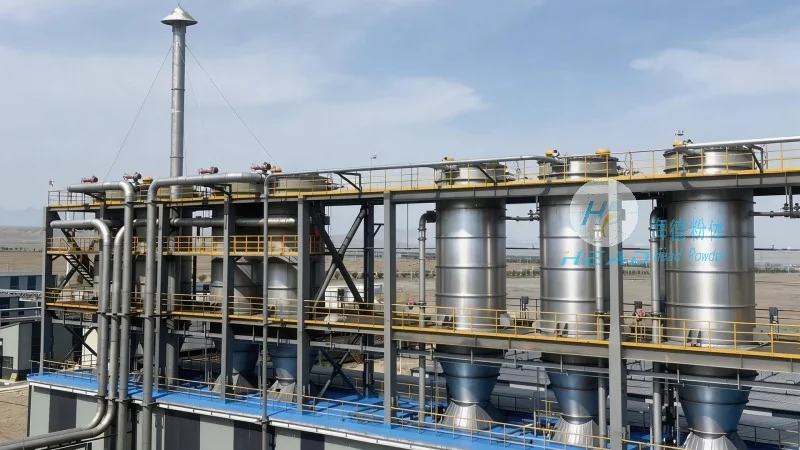
Introduction to Dry Sand Pneumatic Conveying Equipment
Dry sand pneumatic conveying equipment, commonly referred to as dry sand pneumatic conveyors, is a type of pneumatic conveying system designed specifically for handling dry sand. Unlike wet or slurry-based systems, dry sand pneumatic conveying relies on the principle of air pressure to move dry particles. This method is particularly advantageous in applications where dust control, material cleanliness, and flexibility in layout are critical. The equipment is widely used in construction, mining, and manufacturing industries where dry sand is a key raw material.
Key Components of Dry Sand Pneumatic Conveying Systems
At the core of any dry sand pneumatic conveying system are several key components that work in tandem to ensure efficient operation. The primary components include the material feed hopper, which holds the dry sand and feeds it into the system; the air compressor or blower, which generates the necessary air pressure to move the sand; the conveying line, which is typically made of flexible or rigid tubing; and the discharge hopper or collection point, where the sand is deposited. Additionally, control valves and filters are often integrated to regulate airflow and maintain system cleanliness.
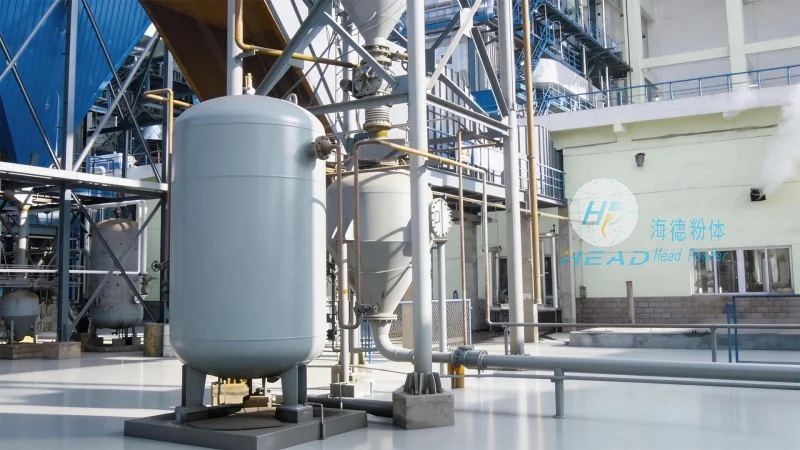
Design Principles and Operational Mechanisms
The design principles of dry sand pneumatic conveying equipment are built around the fundamental physics of fluidization and air movement. The system operates by creating a low-pressure zone at the discharge end and a high-pressure zone at the inlet, using the air compressor to push air through the conveying line. As air flows through the line, it lifts and transports the dry sand particles, which are suspended in the air stream. The velocity of the air and the size of the sand particles are carefully balanced to ensure that the particles remain suspended without settling or causing blockages. This balance is critical for maintaining consistent flow rates and preventing system downtime.
Advantages of Dry Sand Pneumatic Conveying Equipment
Compared to traditional mechanical conveying methods, dry sand pneumatic conveying offers several distinct advantages. One of the most significant benefits is the ability to handle dry sand without the need for water or other additives, which can be costly and environmentally unfriendly. The system also provides excellent dust control, as the sand is contained within the air stream and the conveying line, reducing the risk of dust exposure for workers and minimizing environmental impact. Additionally, the flexibility of the system allows for easy integration into existing production lines and the ability to change the layout or direction of the conveying line without major modifications. The equipment is also relatively low-maintenance, with fewer moving parts compared to mechanical conveyors, leading to lower operational costs over time.
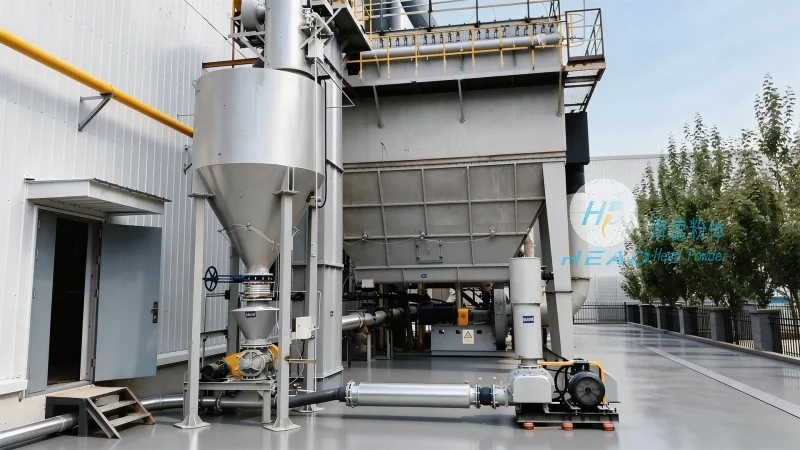
Applications and Industries
Dry sand pneumatic conveying equipment is widely used across various industries due to its versatility and efficiency. In the construction industry, it is commonly used to transport dry sand for concrete mixing and other applications. In mining operations, it helps in transporting sand from storage areas to processing plants. The manufacturing sector also benefits from this technology, particularly in industries that require precise control over material handling, such as foundries and glass manufacturing. The equipment is also used in research and development settings where the purity and consistency of dry sand are critical.
Company Overview: Shandong HeadPowder Engineering Co., Ltd.
Shandong HeadPowder Engineering Co., Ltd., operating under the brand name headpowder, is a leading manufacturer of dry sand pneumatic conveying equipment. The company specializes in designing and manufacturing high-quality pneumatic conveying systems tailored to the specific needs of its clients. With a focus on innovation and customer satisfaction, headpowder has established itself as a trusted partner in the bulk material handling industry. The company's headquarters is located in Shandong, China, where it has a dedicated team of engineers and technicians who work to develop cutting-edge solutions for dry sand transportation. By combining advanced technology with practical application, headpowder ensures that its products meet the highest standards of performance and reliability.