

Comparison of Common Biomass Conveying Methods
Biomass handling and transportation are critical steps in the processing of renewable energy sources and agricultural materials. The efficiency and reliability of the conveying system directly impact the overall productivity and cost-effectiveness of biomass processing operations. Various methods are employed to transport biomass, each with distinct characteristics suited to different applications and material types. This article provides a detailed comparison of common biomass conveying methods, focusing on their operational principles, advantages, and typical applications.
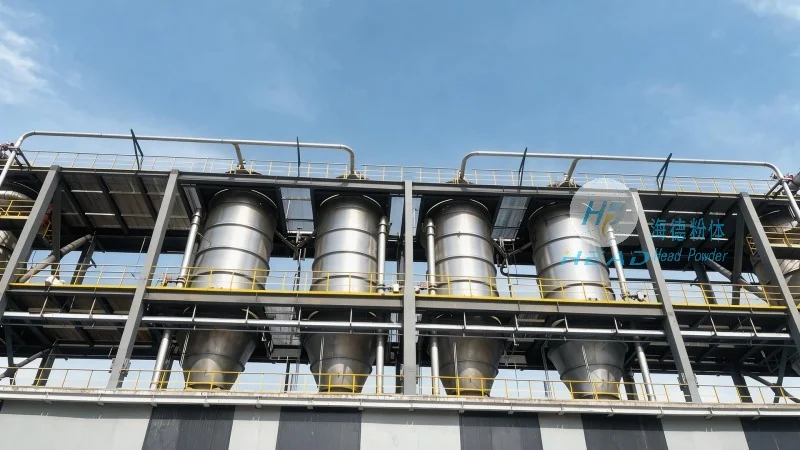
1. Belt Conveyor (Pneumatic or Mechanical)
One of the most widely used methods for biomass conveying is the belt conveyor. This system consists of a continuous loop of belt that moves over rollers or pulleys. For biomass, especially bulk materials like wood chips, sawdust, or agricultural residues, belt conveyors are highly effective. The mechanical belt conveyor uses friction to move the material along the path, while pneumatic belt conveyors incorporate air pressure to assist in material movement. Belt conveyors are known for their high capacity, ability to handle large volumes of material, and relatively low maintenance requirements. They are commonly used in feed mills, wood processing plants, and biomass power plants for transporting raw materials over short to medium distances.
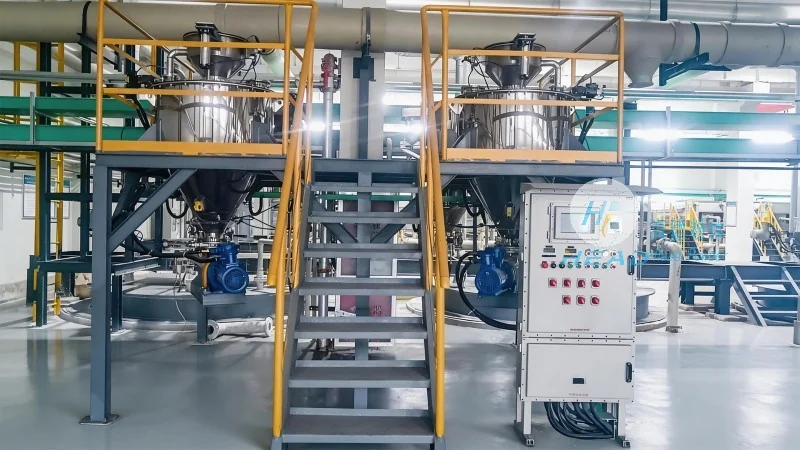
2. Screw Conveyor (Auger Conveyor)
Screw conveyors, also known as auger conveyors, use a rotating helical screw to move material along a tube or trough. This method is particularly suitable for transporting granular or powdered biomass materials, such as corn stalks, rice husks, or pellets. The screw conveyor can operate in both horizontal and inclined positions, making it versatile for different layouts. The primary advantage of screw conveyors is their ability to handle materials with varying moisture content and particle sizes without the need for additional equipment. However, they may experience higher friction and wear compared to other systems, especially with abrasive materials. Screw conveyors are widely used in feed processing, biomass pelletizing, and material handling in agricultural and industrial settings.
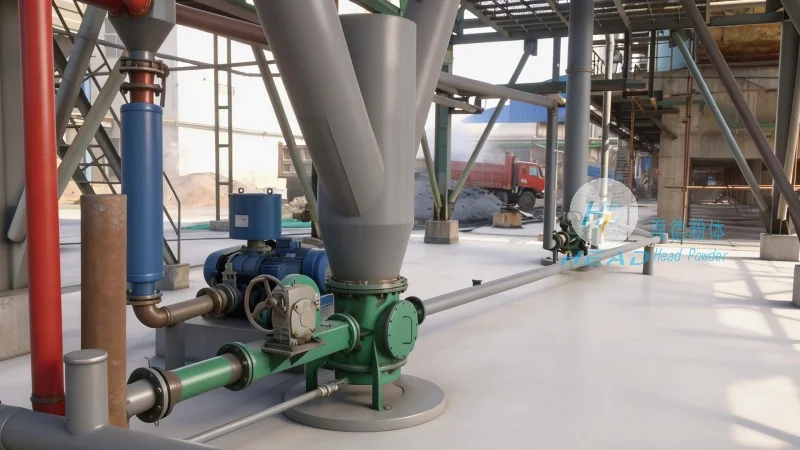
3. Pneumatic Conveying System
Pneumatic conveying systems use air or gas to transport biomass particles through a pipeline. This method is ideal for transporting fine or dusty materials like sawdust, wood flour, or biomass powders over longer distances. The system typically consists of a blower, a hopper, and a pipeline network. The material is fed into the hopper and then carried by the air stream through the pipeline to the destination. Pneumatic conveying offers high flexibility in layout and can transport materials vertically as well as horizontally. It is particularly effective for materials that are difficult to handle with mechanical systems due to their fine particle size or tendency to clog. However, it requires more energy compared to other methods and may need specialized equipment to prevent material degradation or blockages.
4. Bucket Elevator
Bucket elevators are vertical or inclined conveyors that use a series of buckets attached to a chain or belt to lift and transport material. This method is commonly used for transporting biomass from a lower to a higher level, such as from a storage silo to a processing unit. The buckets are filled with material as they move up the elevator and discharge it at the top. Bucket elevators are known for their high vertical lifting capacity and ability to handle a wide range of material types, including wet or sticky biomass. They are particularly suitable for applications where vertical space is limited and horizontal space is constrained. However, they may have higher maintenance costs due to the moving parts and can be less efficient for very fine or lightweight materials.
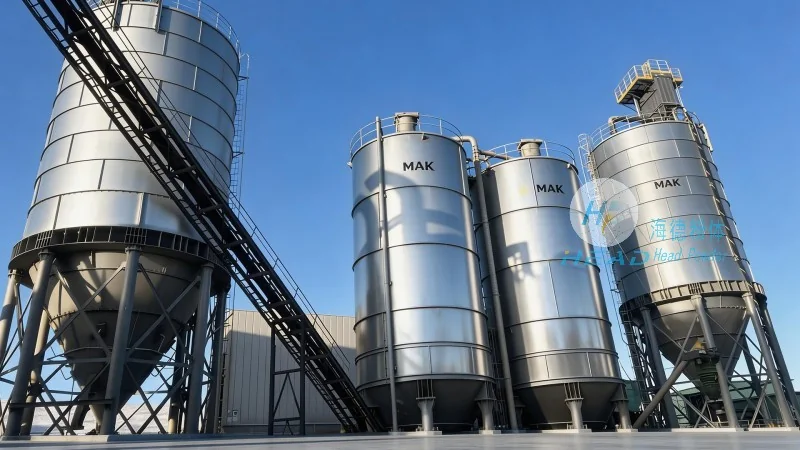
5. Chain Conveyor
Chain conveyors use a continuous chain with attached buckets or slats to move biomass. This system is similar to a bucket elevator but can be used in both vertical and horizontal configurations. The chain conveyor is often used for transporting bulk materials like wood chips or agricultural residues over longer distances. It offers high load capacity and can handle materials with high moisture content or abrasive properties. The chain conveyor is particularly effective in applications where a combination of horizontal and vertical movement is required, such as in feed mills or biomass processing plants. However, it requires regular maintenance to ensure the chain and buckets remain in good condition and to prevent material buildup or wear.