

What is a Calcium Hydroxide Pneumatic Conveying Equipment? And What Are Its Design Principles?
Calcium hydroxide, commonly known as slaked lime, is a widely used chemical in various industrial applications. The efficient and safe transportation of this material is crucial for industrial processes. This article explores the concept of a calcium hydroxide pneumatic conveying system, detailing its design principles and operational benefits.
About HeadPowder Engineering Co., Ltd.
HeadPowder Engineering Co., Ltd., a leading manufacturer based in Shandong, China, specializes in the design and production of advanced pneumatic conveying equipment. With years of experience in the field, the company has developed robust solutions tailored to the unique requirements of calcium hydroxide handling in industrial settings.
What is a Calcium Hydroxide Pneumatic Conveying Equipment?
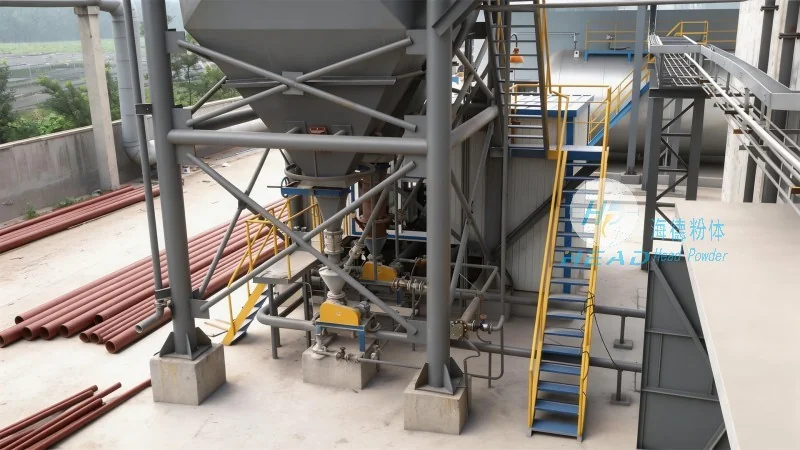
A calcium hydroxide pneumatic conveying system is a type of equipment used to transport calcium hydroxide powder or slurry through a pipeline using air or gas as the conveying medium. This method eliminates the need for mechanical components like belts or screws, offering a more hygienic and efficient solution for handling this chemical. The system typically consists of a hopper, a rotary valve, a conveying line, and a receiver, all working in tandem to move the material from the source to the destination.
Design Principles of the Equipment
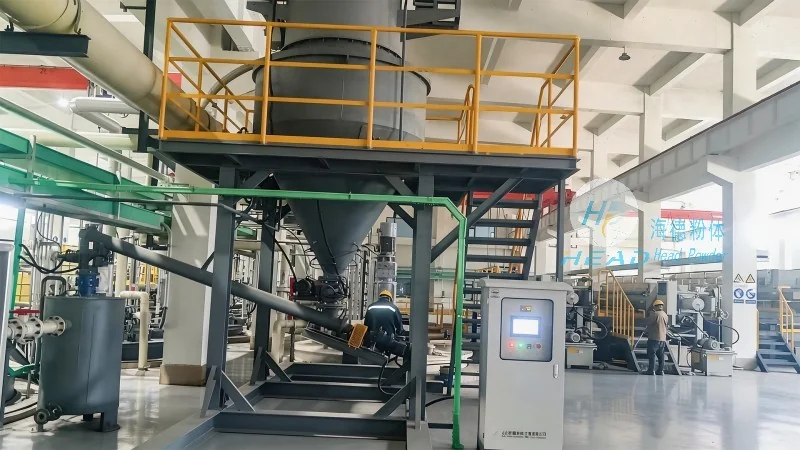
The design of a calcium hydroxide pneumatic conveying system is based on several key principles to ensure optimal performance and safety. First, the system must handle the specific properties of calcium hydroxide, such as its moisture content and particle size. The conveying velocity is carefully calculated to prevent material degradation or blockages. Second, the system incorporates dust control measures to maintain a clean and safe working environment. This includes features like cyclone separators and filtration systems to capture and recycle the material. Third, the equipment is designed for easy maintenance and cleaning, which is essential for handling a chemical that can be corrosive or reactive under certain conditions. The use of stainless steel components and corrosion-resistant materials is common to ensure longevity and reliability.
Key Components and Their Functions
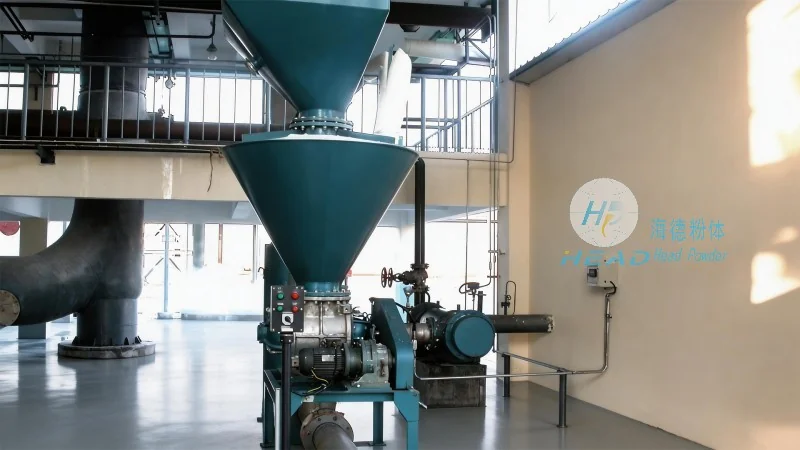
The calcium hydroxide pneumatic conveying system comprises several critical components, each playing a vital role in the overall operation. The hopper serves as the storage container, holding the material before it is fed into the system. The rotary valve, also known as a feeder, regulates the flow of calcium hydroxide from the hopper into the conveying line. This component ensures a consistent and controlled feed rate, preventing overloading or underfeeding. The conveying line is the main pipeline through which the material is transported. The diameter and length of the line are carefully selected based on the material's characteristics and the required conveying distance. The receiver is the final container where the material is deposited. It may include a dust collection system to capture any fine particles that escape during the conveying process. Additionally, the system may include a blower or compressor to generate the necessary air pressure for conveying. The selection of the air source depends on the system's capacity and the material's properties.
Applications in Industrial Settings
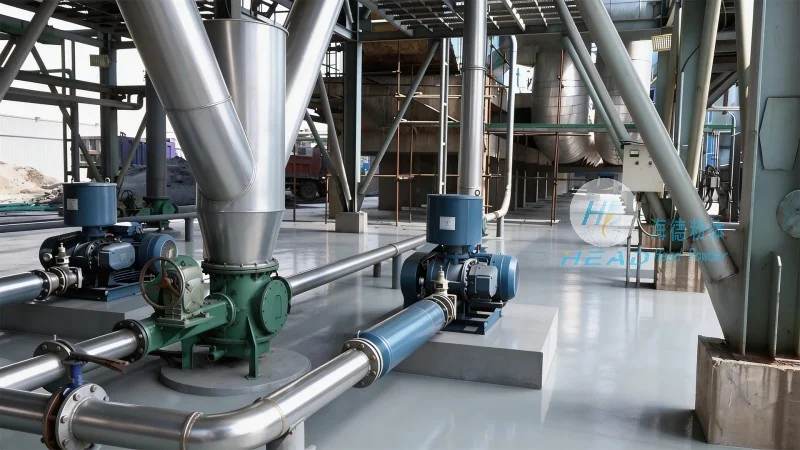
The calcium hydroxide pneumatic conveying equipment is widely used in various industries where calcium hydroxide is a key component. In the water treatment industry, it is used to adjust pH levels and remove impurities from water. In the construction industry, it is used as a component in concrete and mortar, enhancing the material's strength and durability. In the food and pharmaceutical industries, it is used as a food additive or a raw material for certain products. The ability to transport calcium hydroxide efficiently and safely makes the pneumatic conveying system an ideal choice for these applications, ensuring consistent quality and minimal waste.
Maintenance and Operational Considerations
Proper maintenance is crucial to ensure the long-term performance and safety of the calcium hydroxide pneumatic conveying system. Regular cleaning of the hopper, rotary valve, and conveying line is necessary to prevent material buildup and blockages. The system should be inspected regularly for signs of wear and tear, particularly in components that come into contact with the chemical. The air filtration system should be checked and replaced as needed to maintain air quality and prevent contamination. Additionally, the system should be operated within the recommended parameters to avoid overloading or excessive pressure, which can lead to equipment failure or safety hazards. By following these maintenance guidelines, the system can operate efficiently and reliably for extended periods, providing consistent performance and minimizing downtime.