

Comparison of Common Glucose Powder Conveying Methods
In industrial applications, the efficient and reliable transport of glucose powder is essential for maintaining production flow and ensuring product quality. Different conveying systems are designed to handle various material characteristics, such as particle size, moisture content, and bulk density. Understanding the strengths and limitations of each method allows manufacturers to choose the most suitable solution for their specific needs. This comparison focuses on common techniques used in the glucose powder industry, highlighting key factors like capacity, material handling, and operational costs.
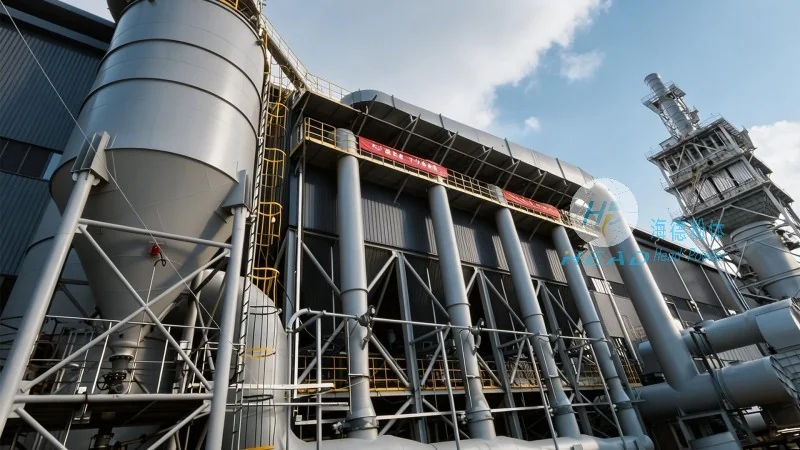
Pneumatic Conveying Systems for Glucose Powder
Pneumatic conveying uses air or gas to transport dry materials like glucose powder through a pipeline. This method is particularly effective for handling fine powders and can be classified into two main types: pressure and vacuum systems. Pressure systems push material forward using compressed air, while vacuum systems draw material into the system using a vacuum pump. For glucose powder, pressure systems are often preferred due to their ability to handle higher capacities and longer distances. The key advantage of pneumatic conveying is its ability to transport materials without direct contact with mechanical components, reducing the risk of contamination and product degradation. However, it may require more energy and can be less efficient for very fine powders that tend to settle or clog in the system. HeadPowder, a leading manufacturer in the field, offers advanced pneumatic conveying solutions tailored to the unique requirements of glucose powder processing.
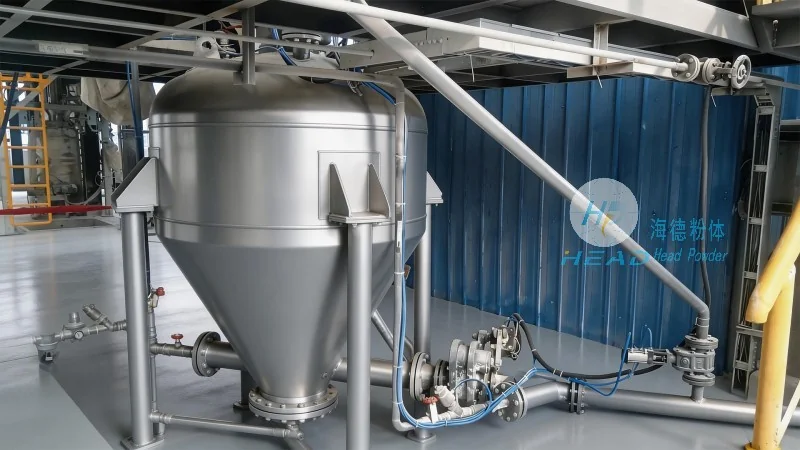
Screw Conveyors for Glucose Powder Handling
Screw conveyors, also known as auger conveyors, use a rotating helical screw to move material along a trough. This method is ideal for transporting glucose powder in a continuous, enclosed system. The screw's pitch and speed can be adjusted to control the flow rate and prevent material bridging or clogging. Screw conveyors are relatively simple in design, making them cost-effective and easy to maintain. They are suitable for horizontal or slight incline applications and can handle a wide range of particle sizes. However, they may not be suitable for very fine powders that can cause excessive wear on the screw and trough. Additionally, the enclosed design helps maintain product cleanliness but may require regular cleaning to prevent buildup. HeadPowder's screw conveyor systems are engineered with durable materials and efficient drive mechanisms to ensure reliable performance in glucose powder handling applications.
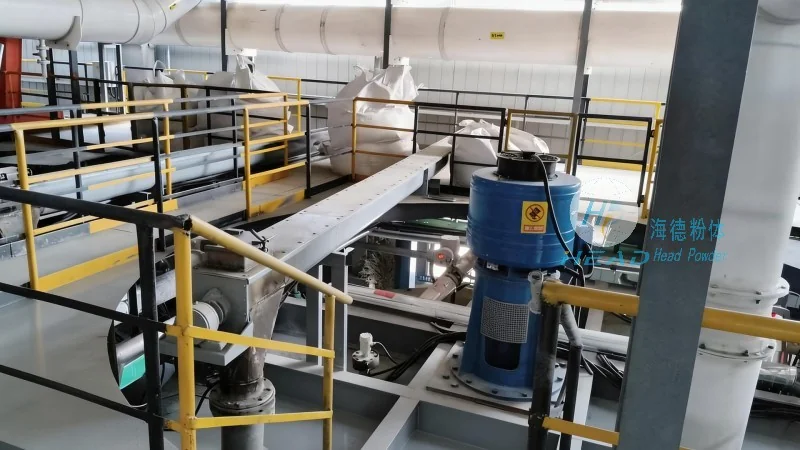
Vibrating Conveyors for Glucose Powder Transport
Vibrating conveyors use mechanical vibrations to move material along a trough. The system consists of a conveyor bed that is excited by an unbalanced motor or electromagnetic source, causing the material to move forward through a series of steps. This method is particularly effective for handling cohesive or sticky glucose powders that may tend to clog in other systems. Vibrating conveyors can operate at various angles and speeds, allowing for flexible material transport. They are also relatively low in maintenance and energy consumption compared to other methods. However, they may not be suitable for very fine powders that can be carried away by the vibration and not properly conveyed. The design of the conveyor bed and vibration frequency is critical to ensure efficient material movement without causing excessive wear or product degradation. HeadPowder provides vibrating conveyor solutions that are optimized for the unique flow characteristics of glucose powder, ensuring consistent and reliable transport.
Choosing the Right Conveying Method for Glucose Powder
The choice of conveying method for glucose powder depends on several factors, including the material's physical properties, the required capacity, the distance to be covered, and the operational environment. Pneumatic conveying is often preferred for long-distance or high-capacity applications, while screw and vibrating conveyors are more suitable for shorter distances or when material handling is more critical. Cost is also a significant factor, as pneumatic systems typically require more energy and maintenance compared to mechanical systems like screw or vibrating conveyors. However, the initial investment for pneumatic systems may be lower in some cases due to their simplicity. HeadPowder's expertise in glucose powder conveying systems allows them to provide customized solutions that address these factors, ensuring optimal performance and cost-effectiveness for each application.
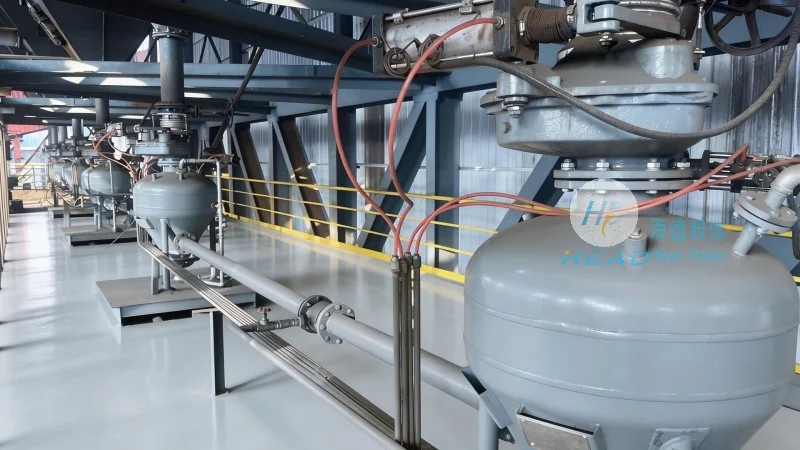
Conclusion
Efficient and reliable conveying of glucose powder is essential for industrial operations, and the choice of method significantly impacts production efficiency and product quality. By understanding the advantages and limitations of each common conveying method—such as pneumatic, screw, and vibrating systems—industrial operators can select the most suitable solution for their specific needs. HeadPowder, with its extensive experience and advanced technology, offers a range of conveying solutions tailored to the unique requirements of glucose powder processing. Whether for long-distance transport or precise material handling, their systems are designed to ensure consistent performance and maintain product integrity. For businesses in the glucose powder industry, partnering with a trusted manufacturer like HeadPowder can help optimize their conveying processes and enhance overall operational efficiency.