

Comparison of Common Glass Fiber Conveying Methods
When it comes to transporting glass fiber materials in industrial settings, selecting the right conveying method is crucial for efficiency, cost-effectiveness, and material integrity. Various technologies are available, each with distinct advantages and applications. This article provides a detailed comparison of common glass fiber conveying methods, highlighting key factors to consider when choosing a system for your operations. HeadPowder, a leading provider of material handling solutions, specializes in designing and manufacturing customized conveying systems tailored to the unique needs of glass fiber manufacturers.
Introduction to Glass Fiber Conveying Methods
Glass fiber, used extensively in manufacturing processes for its strength, thermal resistance, and lightweight properties, requires specialized handling due to its fine, abrasive nature. Conveying systems must be designed to minimize material degradation, ensure consistent flow, and maintain operational safety. The primary methods for glass fiber transport include pneumatic conveying (both suction and pressure), mechanical systems, and hybrid approaches. Each method has specific characteristics that make it suitable for different production environments and material types.
1. Suction Conveying (Vacuum Conveying)
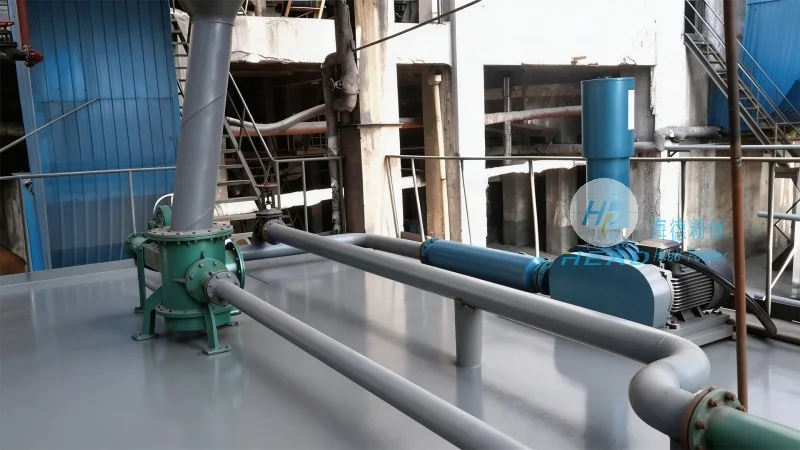
Suction conveying, also known as vacuum conveying, uses a vacuum to draw glass fiber from a source to a destination. This method is ideal for applications where the material is located at a higher elevation or in a confined space, as it can pull material over vertical distances and around obstacles. The system typically consists of a vacuum pump, a hopper or collection point, and a delivery line. As the vacuum is applied, air and glass fiber particles are drawn into the line, where they are separated and the material is deposited at the discharge point. Suction conveying is particularly effective for handling fine powders and short fibers, as it minimizes material breakage and dust generation. However, it has limitations in terms of distance and material density, as the vacuum pressure decreases with distance and can struggle with heavy or bulky loads.
2. Pressure Conveying (Positive Pressure Conveying)
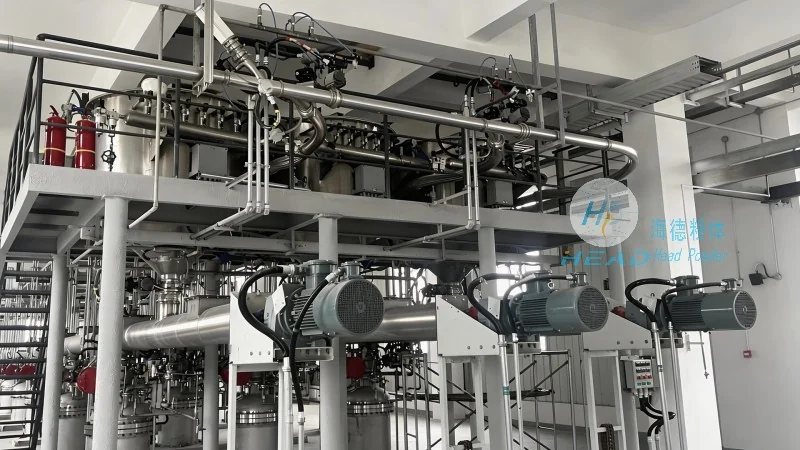
Pressure conveying operates by forcing air and glass fiber through a system using a positive pressure source, such as a blower or compressor. Unlike suction systems, pressure conveying pushes material forward, making it suitable for longer distances and higher material loads. This method is often preferred for applications requiring high throughput and the ability to transport materials over horizontal and vertical distances simultaneously. The system includes a pressure source, a hopper, and a delivery line with a venturi or pressure drop device to accelerate the material. Pressure conveying is effective for handling a wide range of glass fiber types, including long fibers and bulkier materials, and can maintain consistent flow rates even with varying material densities. A key advantage is its ability to handle larger volumes and maintain material integrity over longer distances compared to suction systems.
3. Mechanical Conveying Systems
For applications where pneumatic systems are not feasible or cost-effective, mechanical conveying methods are used. These include screw conveyors, belt conveyors, and bucket elevators. Screw conveyors use a rotating screw to move glass fiber along a trough, making them suitable for horizontal or slight incline transport. They are simple, low-cost, and effective for handling dry, free-flowing materials. However, they are less efficient for fine powders and can cause material degradation due to friction and compression. Belt conveyors use a continuous belt to transport material, often with side walls or a hopper to contain the glass fiber. This method is ideal for bulk material handling and can transport materials over longer horizontal distances. Belt conveyors are robust and can handle a wide range of material sizes and densities, but they require regular maintenance and may not be suitable for fine powders that can cause wear on the belt.
4. Hybrid Conveying Systems
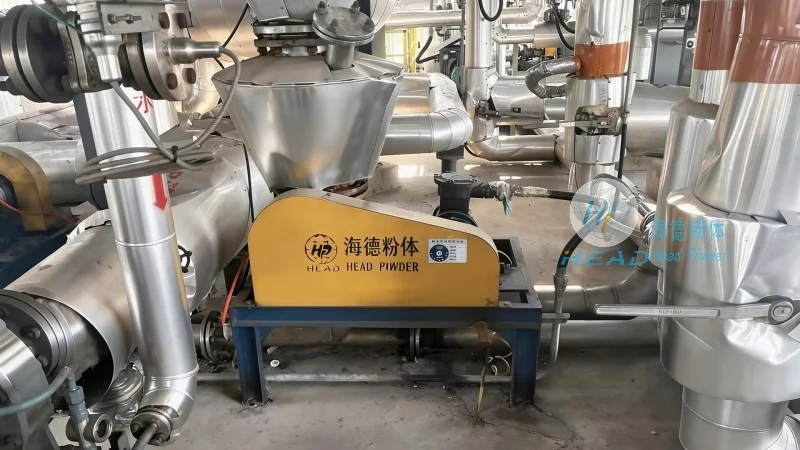
Hybrid systems combine pneumatic and mechanical components to leverage the strengths of both approaches. For example, a system might use a pneumatic conveyor for the initial transport of fine glass fiber from a storage bin to a processing unit, followed by a mechanical conveyor to move the material to the final destination. This approach allows for efficient handling of fine materials while utilizing mechanical systems for longer, horizontal transport. Hybrid systems are particularly useful in complex production lines where different material types or processing stages require different conveying methods. They offer flexibility and can adapt to varying production demands, making them a popular choice in modern manufacturing environments.
Key Considerations for Choosing a Conveying Method
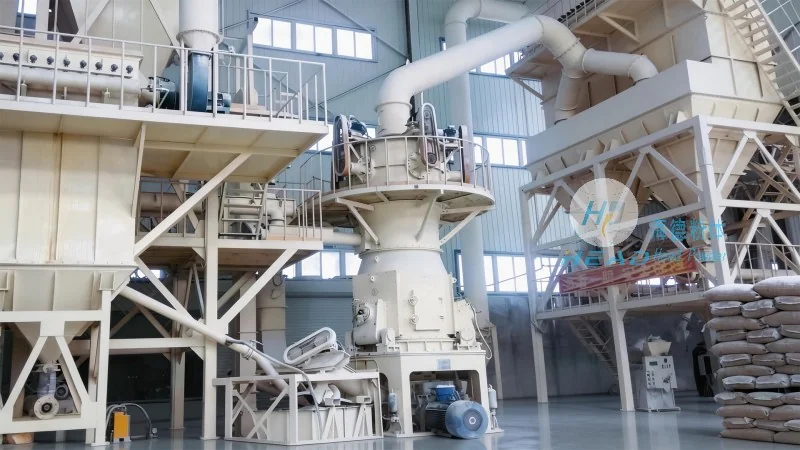
When selecting a glass fiber conveying method, several factors must be considered to ensure optimal performance and cost-effectiveness. These include the material properties (such as fiber length, density, and moisture content), the distance and layout of the transport route, the required throughput, and the available space and budget. For example, suction conveying is often chosen for short distances and fine powders, while pressure conveying is preferred for longer distances and bulkier materials. Mechanical systems are typically used for horizontal transport and bulk handling, where pneumatic systems may be less efficient. Additionally, the environmental impact and safety considerations, such as dust control and explosion-proof requirements, should be evaluated. Proper maintenance and regular inspections are also critical to ensure the longevity and reliability of the conveying system.
Conclusion
Choosing the right glass fiber conveying method is essential for efficient and reliable material handling in industrial applications. Each method has its unique advantages and limitations, and the best choice depends on the specific requirements of the operation. By considering factors such as material properties, distance, throughput, and cost, manufacturers can select a system that maximizes productivity while maintaining material integrity and operational safety. As technology advances, new and improved conveying systems continue to emerge, offering enhanced performance and flexibility for modern manufacturing processes.