

What is a Ceramic Particle Pneumatic Conveying System? And What Are Its Design Principles?
For industries dealing with fine ceramic powders, efficient material handling is crucial. A ceramic particle pneumatic conveying system offers a solution that combines precision, reliability, and the ability to handle delicate materials without degradation. This article explores the fundamental aspects of such systems, focusing on their design principles and operational effectiveness.
Understanding the Core Components of Ceramic Particle Pneumatic Conveying
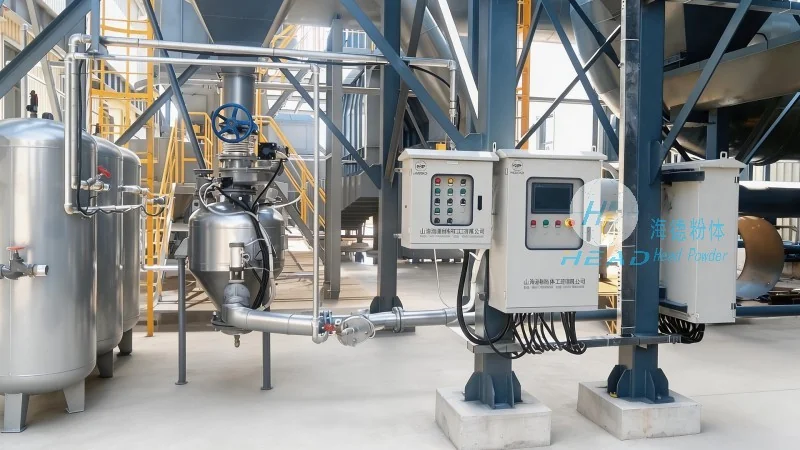
The heart of any pneumatic conveying system lies in its ability to transport particulate materials using pressurized air or vacuum. In the case of ceramic particles, which are often fragile and sensitive to abrasion, the system's design must prioritize minimal particle impact and controlled flow. Key components typically include a hopper for material storage, a conveying line (often equipped with special fittings to prevent particle degradation), a pressure or vacuum source, and a discharge mechanism. Each component is engineered to work in harmony, ensuring that ceramic powders are moved safely and efficiently from one location to another.
Design Principles for Efficient Ceramic Particle Transport
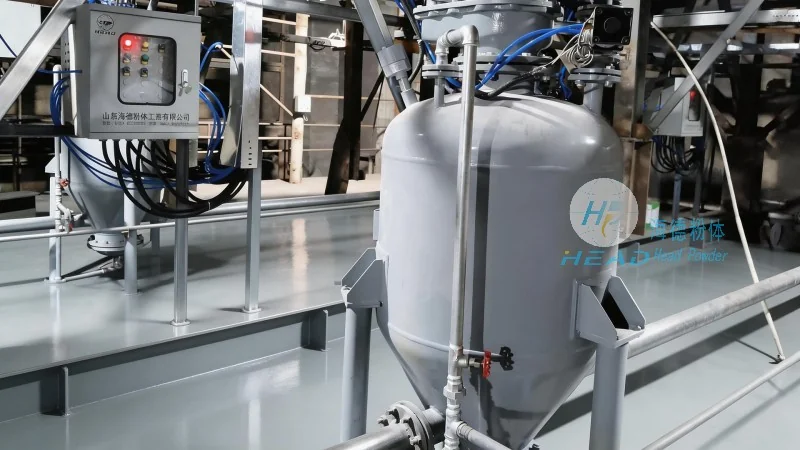
Designing a pneumatic conveying system for ceramic particles involves several critical principles. First, the system must maintain a consistent air velocity to prevent particle settling or blockages. This is achieved through carefully calculated pipe diameters and air flow rates, tailored to the specific size and density of the ceramic particles. Second, the use of smooth, non-abrasive materials for the conveying line is essential to prevent wear and tear on the particles, which could lead to contamination or loss of product quality. Additionally, the system may incorporate features like pulse-jet cleaning or air filtration to maintain performance and ensure compliance with industry standards.
The Role of Material Properties in System Design
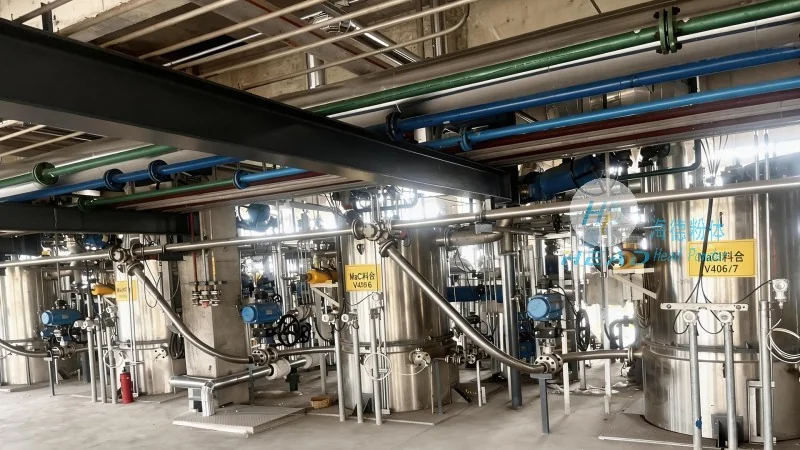
Ceramic particles vary widely in terms of size, density, and shape, and these properties directly influence the design of the pneumatic conveying system. For example, fine powders may require higher air velocities to prevent caking, while larger, denser particles might need a different pressure gradient to ensure smooth transport. Engineers at Shandong HeadPowder Engineering Co., Ltd. specialize in analyzing these material characteristics and tailoring the system design accordingly. By considering factors such as particle size distribution, moisture content, and abrasiveness, the company ensures that the conveying system is optimized for the specific ceramic material being handled.
Operational Considerations and Maintenance
Once the system is installed and operational, regular maintenance is key to preserving its efficiency and longevity. For ceramic particle pneumatic conveying systems, this includes monitoring air pressure and flow rates, inspecting the conveying line for signs of wear or blockages, and cleaning the air filtration system to prevent clogging. The company, Shandong HeadPowder Engineering Co., Ltd., provides comprehensive support to its clients, offering guidance on maintenance schedules and troubleshooting common issues. This ensures that the system continues to operate at peak performance, minimizing downtime and maximizing productivity.
Conclusion: The Advantages of Ceramic Particle Pneumatic Conveying
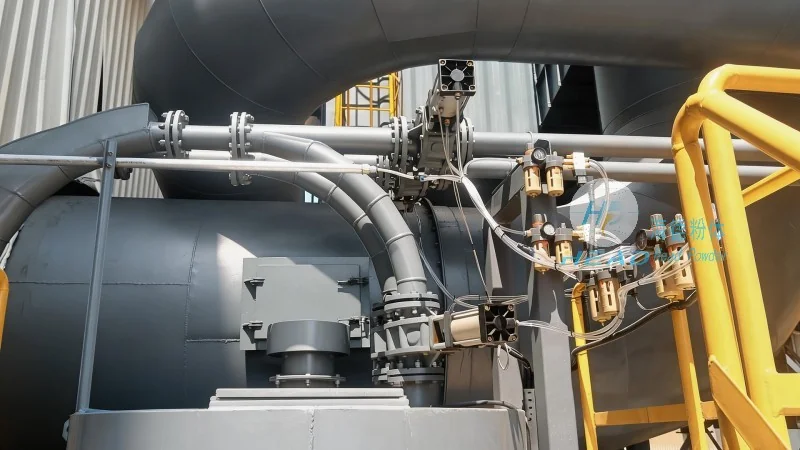
Ceramic particle pneumatic conveying systems represent a sophisticated solution for industries that require the safe and efficient transport of delicate materials. By adhering to design principles that prioritize particle integrity, system reliability, and operational efficiency, these systems offer significant advantages over traditional methods like belt conveyors or bucket elevators. With expertise in both the technical aspects of system design and the practical considerations of maintenance, companies like Shandong HeadPowder Engineering Co., Ltd. play a vital role in enabling industries to handle ceramic powders with precision and care. Whether for manufacturing, research, or industrial applications, the ceramic particle pneumatic conveying system remains a cornerstone of modern material handling technology.