

What is an Automatic Weighing Pneumatic Conveying System Equipment? What are its Design Principles?
When it comes to efficient material handling in industrial settings, the automatic weighing pneumatic conveying system equipment stands out as a crucial solution. This technology integrates precise weighing mechanisms with pneumatic conveying capabilities, enabling seamless material transport while maintaining accurate measurement. As a leading provider in the field, Shandong HeadPowder Engineering Co., Ltd., based in Shandong, China, specializes in designing and manufacturing such advanced systems. This article delves into the essence of these systems, exploring what they are and the underlying design principles that make them effective.
What is an Automatic Weighing Pneumatic Conveying System?
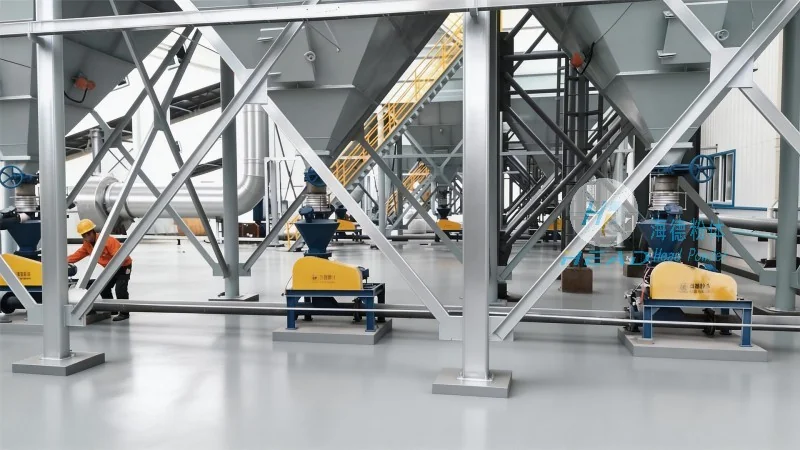
An automatic weighing pneumatic conveying system is a sophisticated piece of equipment designed to transport bulk materials through a pipeline using compressed air. The system combines the functions of material conveying, weighing, and control into a single integrated unit. It is widely used in industries such as food processing, pharmaceuticals, chemicals, and powders, where maintaining product integrity and accurate measurement is paramount. The core components typically include a hopper for material storage, a pneumatic conveyor to move the material, a weighing scale to measure the quantity, and a control system to regulate the entire process. This integration allows for real-time monitoring and adjustment, ensuring optimal performance and efficiency.
Key Components of the System
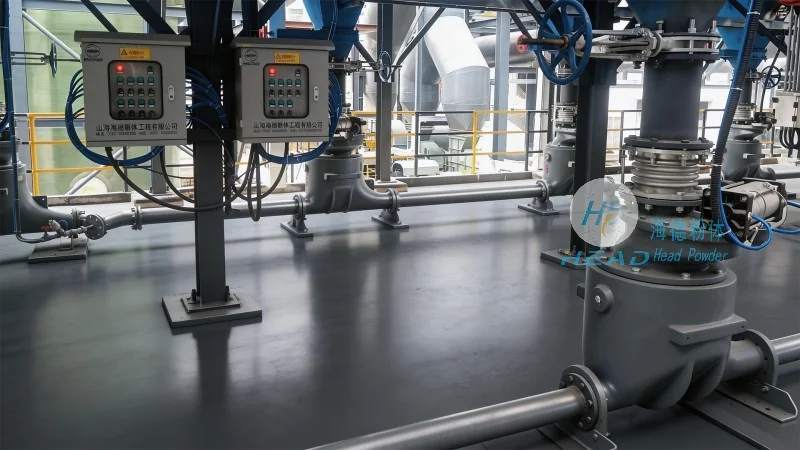
The effectiveness of an automatic weighing pneumatic conveying system relies on its key components, each playing a vital role in the overall operation. The hopper serves as the primary storage vessel, holding the bulk material before it is conveyed. It is designed to prevent material degradation and ensure a consistent feed rate. The pneumatic conveyor, often using positive or negative pressure, transports the material through the pipeline. This component may include a blower or compressor to generate the necessary air flow, and a series of pipes and valves to direct the material. The weighing scale is a critical element, typically integrated with load cells or a digital scale, to measure the weight of the material being conveyed. This data is then processed by the control system, which adjusts the air flow or material feed to maintain the desired weight. The control system, usually equipped with a programmable logic controller (PLC) or a similar device, manages all operations, ensuring the system runs smoothly and efficiently. Each component works in harmony to achieve the system's primary goal: accurate material transport and measurement.
Design Principles Behind the System
The design principles of an automatic weighing pneumatic conveying system are centered on precision, efficiency, and reliability. Precision is achieved through the integration of high-quality weighing scales and sensors, which provide accurate measurements of the material being conveyed. Efficiency is ensured by optimizing the air flow and material feed rates, minimizing energy consumption while maintaining a consistent throughput. Reliability is enhanced by using durable materials for the components, such as stainless steel for the hopper and pipes, which resist corrosion and wear. The system also incorporates safety features, such as pressure relief valves and emergency stop buttons, to protect operators and equipment from potential hazards. Additionally, the design considers the specific characteristics of the material being handled, such as particle size, density, and moisture content, to tailor the system's performance. By adhering to these design principles, the system can handle a wide range of materials with consistent accuracy and performance.
Applications and Benefits
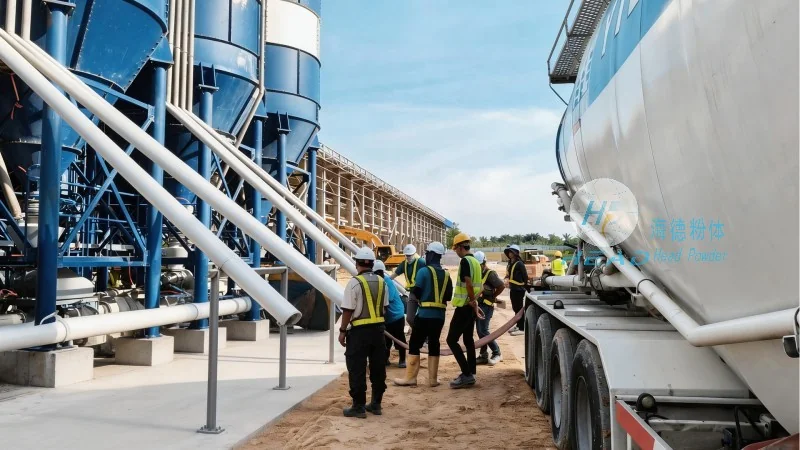
The automatic weighing pneumatic conveying system finds applications in various industries, offering numerous benefits that enhance operational efficiency. In the food industry, it is used for transporting ingredients like flour, sugar, and spices, ensuring accurate measurement and maintaining product quality. In the pharmaceutical industry, it is employed to handle active pharmaceutical ingredients (APIs) and other sensitive materials, where precision and contamination control are critical. In the chemical industry, it facilitates the transport of powders and granules, enabling safe and efficient handling of hazardous materials. The benefits of this system include improved process control, reduced labor costs, and enhanced product quality. By automating the material handling process, it minimizes human error and increases productivity. Additionally, the system's ability to handle materials in a closed environment reduces dust and contamination, improving workplace safety and compliance with regulatory standards. Overall, the automatic weighing pneumatic conveying system is a valuable asset for any industrial operation seeking to optimize material transport and measurement.
Conclusion
In conclusion, the automatic weighing pneumatic conveying system equipment is a sophisticated solution that combines material transport and weighing capabilities into a single, efficient unit. Designed with precision and reliability in mind, it offers significant benefits to industries handling bulk materials. Shandong HeadPowder Engineering Co., Ltd., with its expertise and commitment to quality, provides such advanced systems that meet the diverse needs of modern industrial applications. By understanding the components and design principles of these systems, businesses can make informed decisions to enhance their material handling processes and achieve greater operational efficiency. As technology continues to advance, these systems will likely evolve to incorporate even more advanced features, further improving their performance and versatility.