

Comparison of Common Light Calcium Carbonate Conveying Methods
When it comes to handling light calcium carbonate in industrial applications, selecting the right conveying method is crucial for efficiency, cost-effectiveness, and operational safety. Light calcium carbonate, also known as precipitated calcium carbonate (PCC), is widely used in various industries, including plastics, paper, coatings, and food. Its fine particle size (typically 0.5 to 10 microns) and low bulk density (around 0.6 to 0.9 g/cm³) make it challenging to transport compared to bulkier materials. Conveying systems must be designed to handle these characteristics without causing excessive wear, clogging, or degradation of the material. The choice of conveying method depends on factors such as material flow rate, distance, environmental conditions, and the specific requirements of the end application. This article provides a detailed comparison of common light calcium carbonate conveying methods, focusing on their applications, advantages, and limitations. The information is presented by Shandong HeadPowder Engineering Co., Ltd., a leading manufacturer in the field, based in China.
Understanding Light Calcium Carbonate and Conveying Challenges
Light calcium carbonate, or precipitated calcium carbonate (PCC), is a versatile material used across multiple industries. Its fine particle size and low bulk density present unique challenges during material transport. Unlike coarser bulk materials, PCC can easily clog equipment, degrade in quality, or cause operational inefficiencies if not handled properly. Conveying systems must be engineered to maintain the material's integrity while ensuring smooth, continuous flow. The selection of an appropriate method depends on several key factors, including the distance to be covered, the required flow rate, the material's moisture content, and the environmental regulations in the area of operation.
1. Air-Driven Pneumatic Conveying Systems
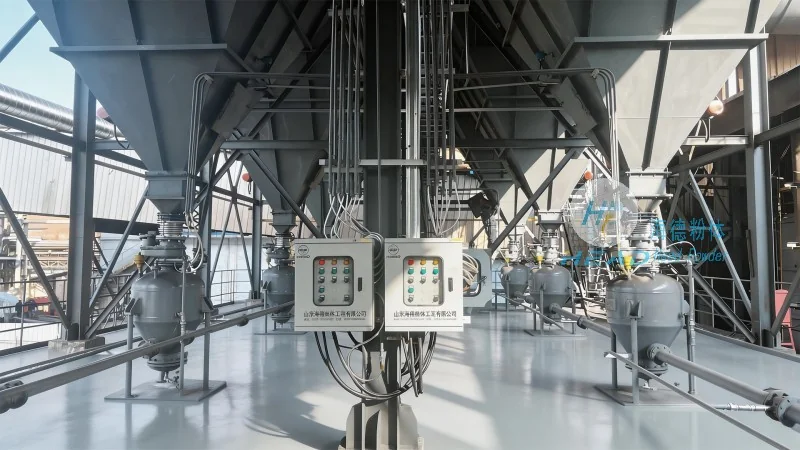
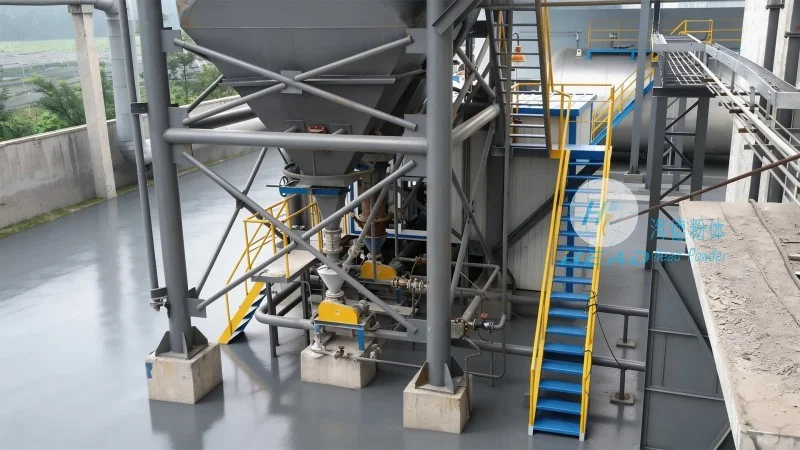
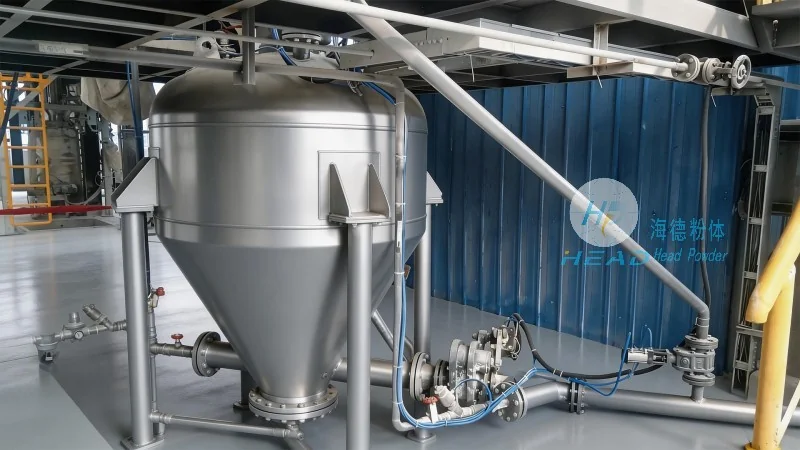
Pneumatic conveying, or air-driven systems, is one of the most common methods for transporting light calcium carbonate. These systems utilize compressed air to move the material through a pipeline. There are two primary types: pressure systems (which push material forward with positive pressure) and vacuum systems (which pull material using negative pressure). Pneumatic conveying offers several advantages, including the ability to transport materials over long distances (up to several kilometers), handle fine powders without clogging, and integrate with existing air handling infrastructure. The system typically consists of a hopper, a feeder (such as a rotary valve or screw feeder), a pipeline, and a receiver. The material is fed into the pipeline by the feeder, and compressed air propels it to the destination. This method is particularly suitable for applications where dust control is critical, as the material remains contained within the pipeline. However, it requires significant energy input due to the need for compressed air, and can be susceptible to pressure drops and material segregation if not properly designed. The energy consumption and potential for material degradation make it less ideal for high-volume, long-distance transport.
2. Screw Conveyors (Auger Conveyors)
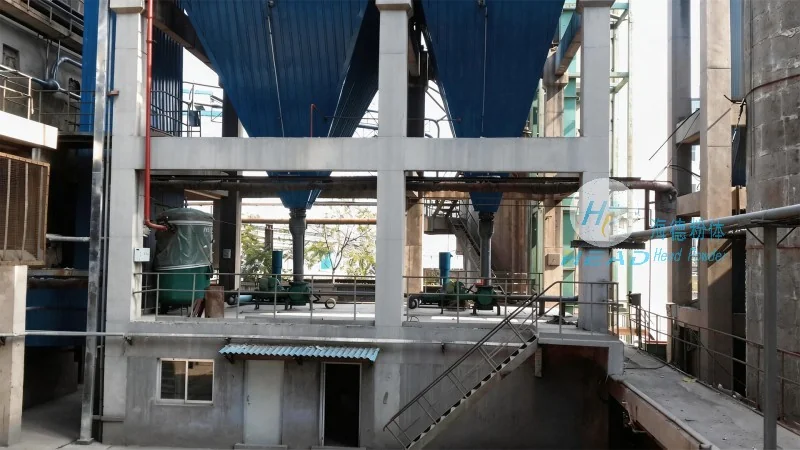
Screw conveyors, also known as auger conveyors, are another popular choice for light calcium carbonate transport. These systems use a rotating screw (auger) to move material along a trough or tube. The screw rotates within a housing, pushing the material forward. Screw conveyors are simple in design, relatively low-cost, and can handle a wide range of materials, including fine powders. They are suitable for short to medium distances (typically up to 30 meters) and can operate in both horizontal and slight incline configurations. The main advantages of screw conveyors include their ability to handle abrasive materials without excessive wear, low maintenance requirements, and the ability to mix or blend materials during transport. However, they are not suitable for long-distance transport due to the high friction and energy consumption, and can experience clogging if the material is too fine or has high moisture content. Screw conveyors are often used in applications where the material needs to be conveyed at a moderate speed and where dust control is less of a concern, such as in small-scale processing plants or material transfer within a facility.
3. Pumping Systems (Hydraulic Conveying)
Hydraulic conveying, or pumping systems, use a liquid medium (often water or a slurry) to transport light calcium carbonate. The material is mixed with the liquid to form a slurry, which is then pumped through a pipeline using a pump. This method is particularly effective for transporting materials over long distances (up to several kilometers) and is often used in mining and mineral processing industries. The main advantages of hydraulic conveying include its ability to handle high flow rates, low energy consumption compared to pneumatic systems, and the ability to transport materials with high moisture content. However, it requires a large volume of liquid, which can increase the overall cost and complexity of the system. The slurry can also cause corrosion and wear on the pipeline and pump components if not properly maintained. Hydraulic conveying is suitable for applications where the material is already in a slurry form or where the end product requires a liquid phase, such as in the production of calcium carbonate slurries for paper coating.
4. Belt Conveyors
Belt conveyors are a traditional method for transporting bulk materials, including light calcium carbonate. These systems use a continuous belt that moves over rollers or idlers to transport the material from one location to another. Belt conveyors are suitable for long-distance transport (up to several hundred meters) and can handle large volumes of material. The main advantages of belt conveyors include their high capacity, low maintenance, and ability to operate in various environmental conditions. However, they are not ideal for fine powders as the material can easily fall off the belt or cause dust issues. Belt conveyors are often used in applications where the material is in a bulk form or where the end product requires a dry, free-flowing material, such as in the storage and transfer of calcium carbonate in bulk containers.
5. Combination Systems
In many industrial applications, a single conveying method may not be sufficient to meet all the requirements. Combination systems, which integrate multiple conveying methods, are often used to optimize material transport. For example, a pneumatic system may be used to transport light calcium carbonate from a storage silo to a processing plant, and then a screw conveyor may be used to transfer it to a mixing tank. This approach allows for the benefits of each method to be utilized while minimizing their drawbacks. Combination systems are particularly useful in complex production lines where the material needs to be transported over varying distances and through different environments. The design of combination systems requires careful consideration of the material flow rate, pipeline length, and the compatibility of the different components. Shandong HeadPowder Engineering Co., Ltd. specializes in designing and manufacturing combination systems tailored to the specific needs of each customer.
Choosing the Right Conveying Method for Light Calcium Carbonate
Selecting the appropriate conveying method for light calcium carbonate depends on several factors, including the application requirements, material characteristics, and operational constraints. Shandong HeadPowder Engineering Co., Ltd. offers a range of conveying solutions tailored to meet the specific needs of each customer. The company's experts can help evaluate the pros and cons of each method and recommend the most suitable system for a particular application. When choosing a conveying method, it is important to consider factors such as the distance to be covered, the flow rate required, the material's particle size and moisture content, and the environmental regulations in the area. By carefully evaluating these factors, manufacturers can select a conveying system that maximizes efficiency, reduces costs, and ensures safe and reliable operation.
Conclusion
Light calcium carbonate is a versatile material used in many industries, and the choice of conveying method plays a critical role in its effective handling. Pneumatic conveying, screw conveyors, hydraulic pumping, and belt conveyors each offer unique advantages and limitations. By understanding the characteristics of light calcium carbonate and the specific requirements of the application, manufacturers can select the most appropriate conveying system. Shandong HeadPowder Engineering Co., Ltd. provides comprehensive solutions for light calcium carbonate conveying, ensuring that customers can achieve optimal performance and efficiency in their operations. Whether for short-distance transfer or long-distance transport, the right conveying method can significantly impact the overall productivity and cost-effectiveness of light calcium carbonate handling processes.