

What is a Masterbatch Pneumatic Conveying System Equipment? And What Are Its Design Principles?
For industrial applications involving the handling of masterbatch materials, the selection of an appropriate conveying system is crucial for efficiency and safety. A masterbatch pneumatic conveying system equipment is a specialized piece of machinery designed to transport masterbatch granules or powders through a pipeline using air or gas as the conveying medium. This system is widely used in the plastic, rubber, and chemical industries due to its ability to handle abrasive and sensitive materials without causing contamination or degradation.
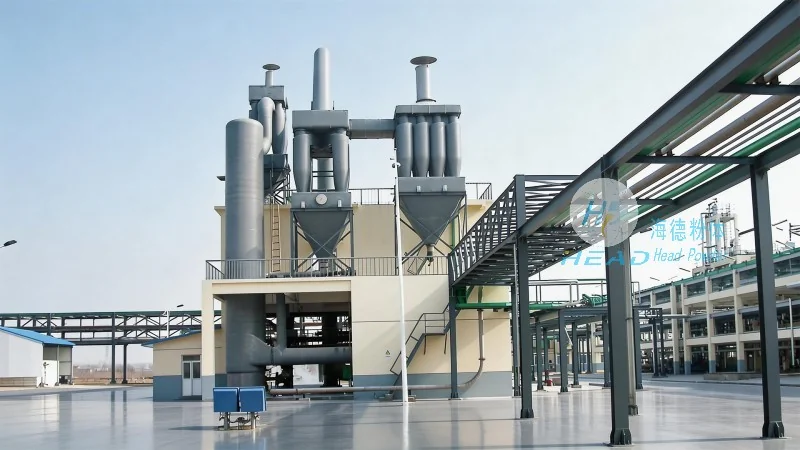
Understanding the Masterbatch Pneumatic Conveying System
A masterbatch is a concentrated mixture of pigments, additives, or other components used to color or modify the properties of a base polymer. The pneumatic conveying system for masterbatch is engineered to move these masterbatch materials from a storage hopper or silo to processing equipment, such as extruders or mixers, with minimal human intervention. The system typically consists of several key components, including a hopper, a feeder, a conveying line, a filter, and a receiver. Each component plays a vital role in ensuring the smooth and efficient transport of the masterbatch material.
Key Components of the Pneumatic Conveying System
The hopper is the primary storage unit where the masterbatch is held before being conveyed. It is usually made of stainless steel or other corrosion-resistant materials to prevent contamination from the masterbatch's components. The feeder, often a rotary valve or a screw feeder, regulates the flow of material from the hopper into the conveying line. This component ensures a consistent and controlled discharge of the masterbatch, preventing overloading or underloading of the system. The conveying line is a pipeline that carries the masterbatch particles through the system. It is typically made of stainless steel or plastic, depending on the material being conveyed and the system's design. The line may include bends, elbows, or other fittings to direct the flow of material to the desired destination. The filter is an essential component that removes any dust or particles from the air or gas used in the conveying process. This prevents the contamination of the masterbatch and the equipment, ensuring the quality of the final product. The receiver is the final destination where the masterbatch is deposited after being conveyed. It is usually a hopper or a storage bin designed to hold the material until it is used in the processing equipment.
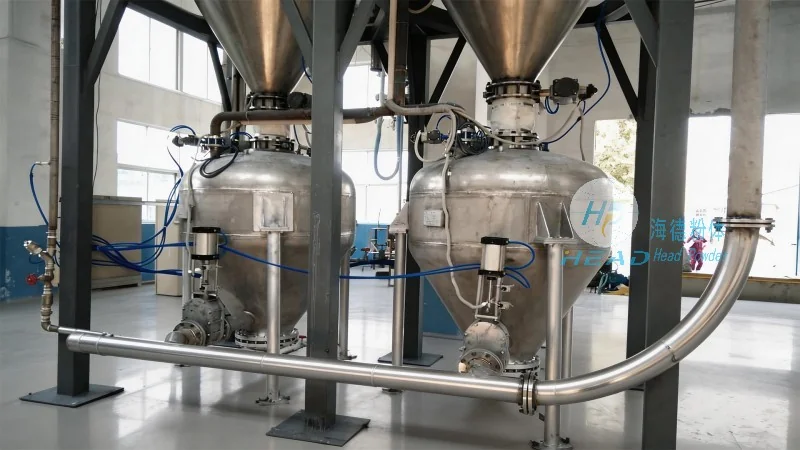
Design Principles of the Pneumatic Conveying System
The design of a masterbatch pneumatic conveying system equipment is based on several fundamental principles to ensure optimal performance and efficiency. The first principle is the selection of the appropriate conveying velocity. The velocity of the air or gas in the pipeline must be sufficient to lift and transport the masterbatch particles without causing excessive wear or degradation. The velocity is typically determined by the size, shape, and density of the masterbatch particles, as well as the length and diameter of the conveying line. The second principle is the consideration of the system's pressure. The system operates under either positive or negative pressure, depending on the design. Positive pressure systems use compressed air to push the material through the line, while negative pressure systems use vacuum to draw the material. The pressure must be sufficient to overcome the resistance of the pipeline and the material's weight. The third principle is the design of the hopper and feeder. The hopper must be designed to prevent material bridging or caking, which can cause blockages in the system. The feeder must be designed to provide a consistent flow rate, which is critical for maintaining the system's efficiency and preventing overloading. The fourth principle is the selection of the appropriate filter and receiver. The filter must be able to remove all particles from the air or gas, preventing contamination of the masterbatch and the equipment. The receiver must be designed to hold the material without causing it to degrade or become contaminated.
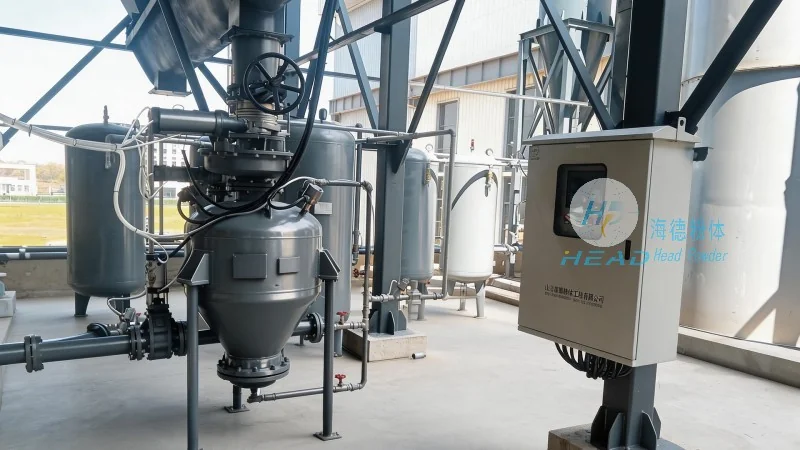
Applications and Benefits of the Masterbatch Pneumatic Conveying System
The masterbatch pneumatic conveying system equipment is widely used in various industrial applications, including the plastic, rubber, and chemical industries. In the plastic industry, it is used to transport masterbatch to extruders or mixers for the production of colored plastics. In the rubber industry, it is used to transport masterbatch to mixers for the production of colored rubber products. In the chemical industry, it is used to transport masterbatch to reactors or other processing equipment. The benefits of using this system include increased efficiency, reduced labor costs, improved safety, and better material quality. The system is also designed to minimize contamination and degradation of the masterbatch, ensuring the quality of the final product. Additionally, the system is easy to install and maintain, making it a cost-effective solution for industrial applications.
Conclusion
In conclusion, a masterbatch pneumatic conveying system equipment is a specialized piece of machinery designed to transport masterbatch materials through a pipeline using air or gas as the conveying medium. The system is widely used in the plastic, rubber, and chemical industries due to its ability to handle abrasive and sensitive materials without causing contamination or degradation. The design of the system is based on several fundamental principles, including the selection of appropriate conveying velocity, pressure, hopper and feeder design, and filter and receiver selection. The system offers several benefits, including increased efficiency, reduced labor costs, improved safety, and better material quality. For companies in the plastic, rubber, and chemical industries, investing in a masterbatch pneumatic conveying system equipment is a wise decision that can improve their production efficiency and product quality.