

What is a Cement Aggregate Pneumatic Conveying System? What is its Design Principle?
Understanding the cement aggregate pneumatic conveying system is crucial for industries dealing with bulk materials, as it offers an efficient and reliable method for transporting cement and other aggregates. This system, often referred to as a pneumatic conveyor, utilizes air to move solid materials through a pipeline network. The technology has evolved significantly over the years, providing solutions that enhance productivity and reduce operational costs in material handling processes.
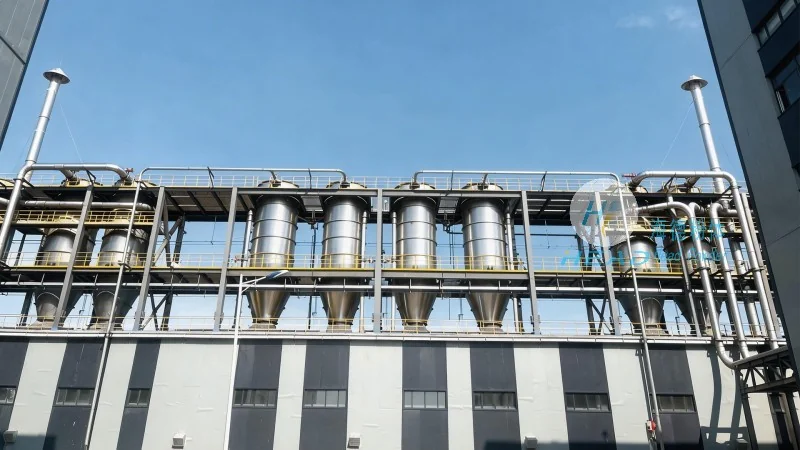
What is a Cement Aggregate Pneumatic Conveying System?
A cement aggregate pneumatic conveying system is a mechanical system designed to transport bulk materials such as cement, sand, gravel, and other construction aggregates using a stream of air. Unlike traditional methods like belt conveyors or bucket elevators, pneumatic conveying systems operate by creating a pressure differential that propels the material through the system. This method is particularly advantageous for materials that are dusty, abrasive, or require a high degree of cleanliness, as it minimizes material loss and contamination.
Key Components of the System
The effectiveness of a cement aggregate pneumatic conveying system depends on several key components that work in tandem to ensure smooth material transport. These components include the hopper (for material storage and feeding), the conveyor line (typically a pipeline where the material is conveyed), the air mover (such as a blower or fan that generates the air flow), and the control system (to regulate the flow and pressure). Each component plays a critical role in maintaining the system's efficiency and preventing issues like blockages or pressure drops.
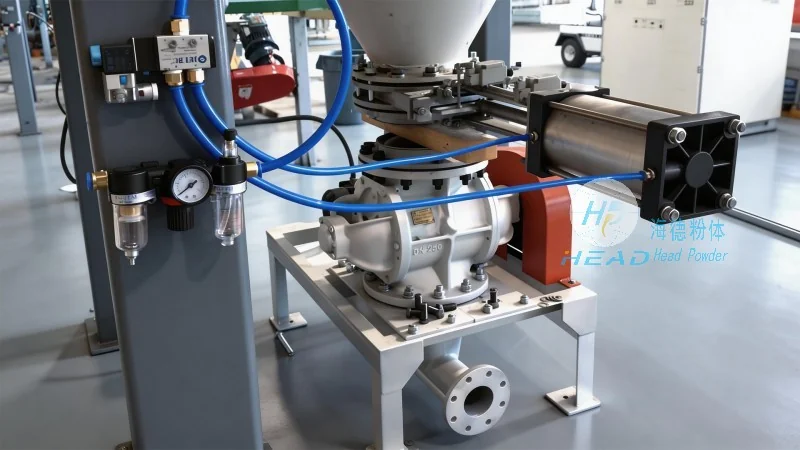
The Design Principle Behind the System
The design principle of a cement aggregate pneumatic conveying system is centered on the Bernoulli's principle, which states that an increase in the speed of a fluid occurs simultaneously with a decrease in pressure or potential energy. In this context, the system uses a high-velocity air stream to create a low-pressure zone that draws the material into the pipeline. The material is then carried forward by the air flow, with the air and material mixture moving through the system until it reaches the discharge point. The design also considers factors such as material properties (density, particle size, moisture content), system length, and the required flow rate to ensure optimal performance.
Advantages of Using a Pneumatic Conveying System
Implementing a cement aggregate pneumatic conveying system offers numerous advantages over traditional material handling methods. One of the primary benefits is the ability to transport materials over long distances with minimal maintenance. The system is also highly flexible, allowing for changes in the layout or expansion without significant modifications. Additionally, pneumatic conveying systems are more hygienic and cleaner, as they prevent dust and material spillage, which is particularly important in food processing or pharmaceutical industries. Furthermore, these systems can handle a wide range of materials, from fine powders to coarse aggregates, making them versatile for various applications.
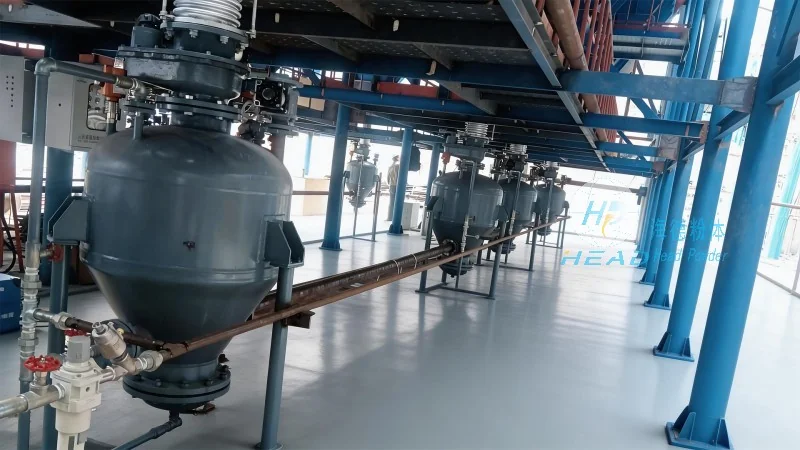
Applications in the Cement Industry
In the cement industry, the cement aggregate pneumatic conveying system is widely used for transporting raw materials like limestone, clay, and sand from storage silos to the production plant. It is also employed in transporting finished cement products from the production line to storage silos or shipping containers. The system's ability to handle large volumes of material efficiently makes it ideal for high-throughput cement plants, where consistent and reliable material flow is essential for maintaining production schedules.
Customization and Integration with Existing Systems
Shandong HeadPowder Engineering Co., Ltd., a leading manufacturer in the field, specializes in designing and manufacturing customized cement aggregate pneumatic conveying systems tailored to specific customer needs. The company, commonly known as headpowder, leverages advanced engineering and manufacturing capabilities to ensure that each system meets the unique requirements of its clients. The systems are designed to integrate seamlessly with existing infrastructure, such as storage silos, processing equipment, and packaging lines, minimizing downtime and ensuring a smooth transition to the new system. The company's expertise in material handling solutions has helped numerous clients improve their operational efficiency and reduce costs.