

Kaolin Powder Handling: Understanding the Process and Design Principles
For industrial applications involving kaolin, efficient and reliable powder handling is crucial. This article explores the concept of kaolin powder handling and the underlying design principles that ensure optimal performance in material transport. As a leading provider in the field, Shandong HeadPowder Engineering Co., Ltd. specializes in solutions tailored to the unique challenges of kaolin powder processing.
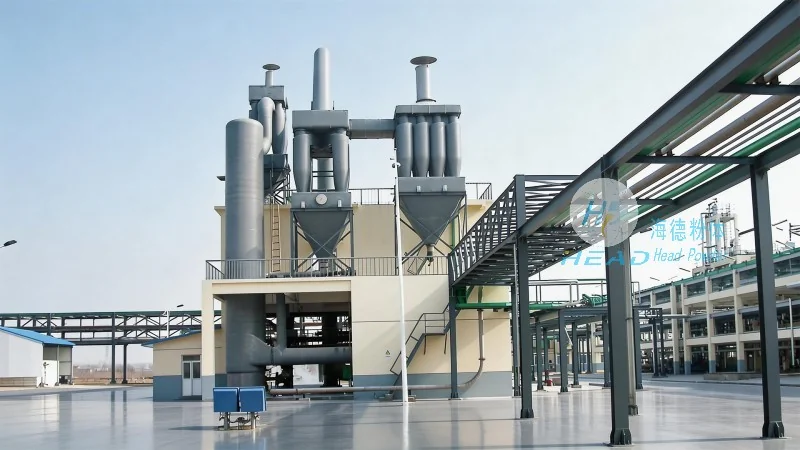
What is Kaolin Powder Handling?
Kaolin powder handling refers to the methods and technologies used to transport, store, and manage kaolin powder from its source to the point of use. This process is integral to industries such as ceramics, paper, and coatings, where kaolin serves as a key raw material. The handling of kaolin powder requires careful consideration of its physical properties, including particle size, moisture content, and flow characteristics, as these factors directly impact the efficiency and safety of the handling system.
Key Design Principles for Kaolin Powder Handling Systems
The design of a kaolin powder handling system is guided by several fundamental principles aimed at maximizing efficiency, minimizing material loss, and ensuring operational safety. These principles include:
1. Material Compatibility: The equipment used must be compatible with kaolin's chemical and physical properties. This involves selecting materials that resist corrosion and abrasion, as kaolin can be abrasive due to its fine particle size. Stainless steel, special alloys, and wear-resistant coatings are commonly used to protect equipment from damage.
2. Flow Control: Proper flow control is essential to prevent issues like bridging, segregation, and agglomeration. This is achieved through the use of appropriate hopper designs, flow aids, and vibration systems. The design of the hopper, including its angle and shape, is critical to ensuring uniform material flow from the storage silo to the conveying line.
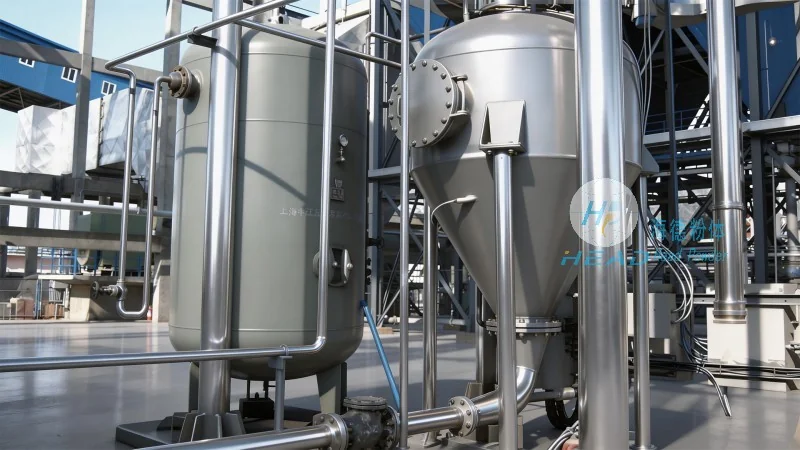
3. Conveying Method Selection: The choice of conveying method depends on the specific requirements of the application. Common methods include pneumatic conveying, mechanical conveying (such as screw conveyors and belt conveyors), and hydraulic conveying. Pneumatic conveying is particularly effective for kaolin powder due to its ability to handle fine particles and minimize dust generation.
4. Dust Control and Environmental Considerations: Kaolin powder is a fine particulate material that can create dust, which poses health and environmental risks. Effective dust control measures, such as sealed systems, filtration, and ventilation, are integral to the design. These measures not only protect personnel but also comply with environmental regulations.
Components of a Typical Kaolin Powder Handling System
A comprehensive kaolin powder handling system typically includes several key components, each designed to perform a specific function. These components work in tandem to ensure smooth and efficient material transport:
1. Storage Silo: The storage silo is the primary container for kaolin powder, providing a large capacity for bulk storage. The silo is equipped with a hopper that facilitates material discharge into the conveying system. Proper silo design, including aeration and moisture control, helps maintain the quality of the kaolin powder.
2. Feeding Equipment: The feeding equipment, such as a rotary valve or a feeder, regulates the flow of kaolin from the silo to the conveying line. This equipment ensures a consistent and controlled feed rate, preventing overloading or underloading of the conveying system.
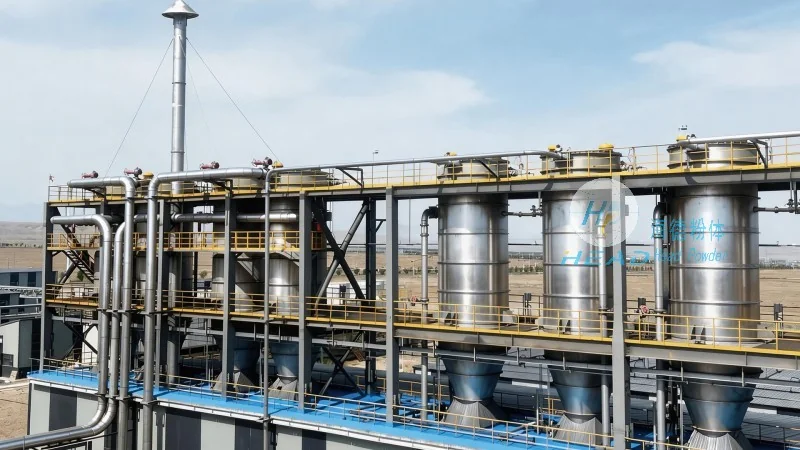
3. Conveying Equipment: The conveying equipment, such as a pneumatic conveyor or a screw conveyor, transports the kaolin powder from the storage area to the processing or packaging area. Pneumatic conveying systems use air to move the powder, while mechanical conveyors rely on mechanical force. The choice of equipment depends on factors like the distance to be covered, the volume of material, and the required flow rate.
4. Distribution and Metering: After the powder is conveyed, it may need to be distributed to multiple points or metered for precise dosing. This is often achieved using branch lines, diverters, and flow meters. These components ensure that the kaolin powder is delivered to the correct location and in the appropriate quantity.
5. Dust Collection and Filtration: To control dust and maintain a clean environment, the system includes dust collection equipment, such as cyclones or baghouses. These devices capture and remove airborne particles, preventing contamination and ensuring compliance with safety standards.
Benefits of Proper Kaolin Powder Handling
Implementing a well-designed kaolin powder handling system offers several benefits to industrial operations. These include:
1. Increased Efficiency: Proper flow control and equipment selection reduce downtime and improve the overall throughput of the system. This leads to higher productivity and lower operational costs.
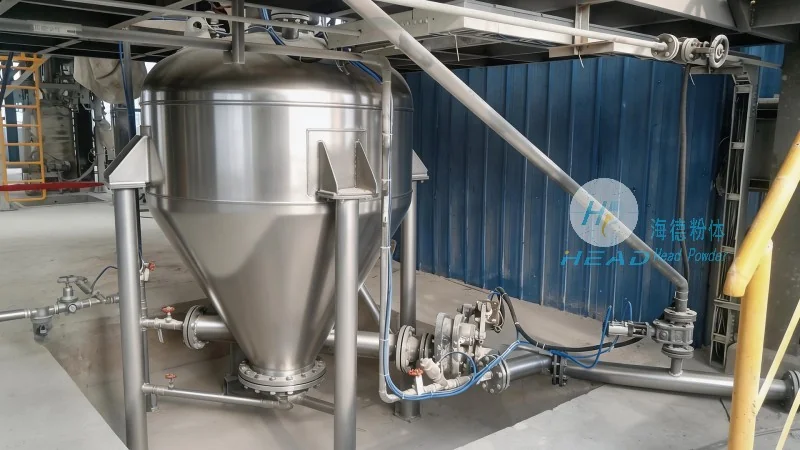
2. Improved Product Quality: By maintaining consistent moisture levels and preventing segregation, the handling system ensures that the kaolin powder delivered to the processing stage is of uniform quality. This is critical for applications where kaolin's properties directly impact the final product.
3. Enhanced Safety: Effective dust control and sealed systems minimize the risk of dust explosions and exposure to airborne particles. This protects personnel and complies with occupational health and safety regulations.
4. Reduced Maintenance Costs: Using compatible materials and proper design reduces wear and tear on equipment, leading to lower maintenance requirements and longer equipment life.
Conclusion
Efficient kaolin powder handling is a critical aspect of industrial operations, and the design principles outlined above are essential for achieving optimal performance. By understanding the unique properties of kaolin and selecting appropriate equipment and systems, industries can ensure reliable and safe material transport. Shandong HeadPowder Engineering Co., Ltd. provides expert solutions tailored to the specific needs of kaolin powder handling, helping clients achieve their operational goals while maintaining high standards of quality and safety.