

What is Silica Powder Conveying? What Are the Design Principles?
Silica powder conveying refers to the process of transporting fine silica powder from one location to another within industrial settings. This is a critical operation in various industries, including pharmaceuticals, chemicals, and food processing, where the handling of fine powders requires specialized equipment and techniques to ensure efficiency, safety, and product integrity. The primary goal of silica powder conveying is to move these powders in a controlled manner, minimizing issues such as dust generation, clogging, and material degradation. Understanding the design principles behind effective silica powder conveying systems is essential for optimizing production processes and maintaining operational reliability.
Key Design Principles for Silica Powder Conveying Systems
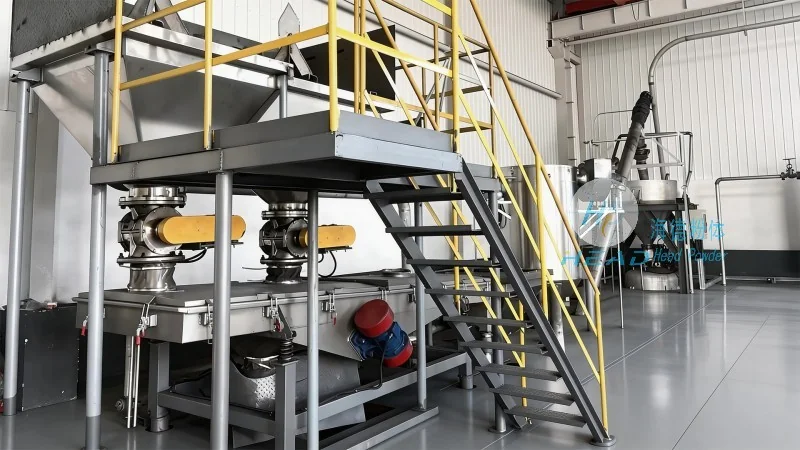
The design of silica powder conveying systems is guided by several fundamental principles that address the unique challenges of handling fine, abrasive powders. First, the system must be designed to minimize friction and wear, as silica powder can be abrasive and may cause wear on equipment components over time. This often involves selecting materials with high wear resistance, such as stainless steel or specialized alloys, for conveyor components like hoppers, chutes, and pipelines. Second, the system must prevent material buildup and clogging, which are common issues in powder handling. This is achieved through the use of inclined chutes, air-assisted conveying, or rotary valves that ensure smooth material flow. Third, dust control is a critical design consideration. Silica powder is often fine and can create airborne dust, posing health and safety risks. Therefore, systems typically incorporate dust collection and filtration systems to capture and contain particles. Finally, energy efficiency is a key design principle, as conveying systems can consume significant power. Optimizing the system's design, such as using appropriate conveyor speeds and minimizing pressure drops, helps reduce energy consumption while maintaining performance.
Components of a Typical Silica Powder Conveying System
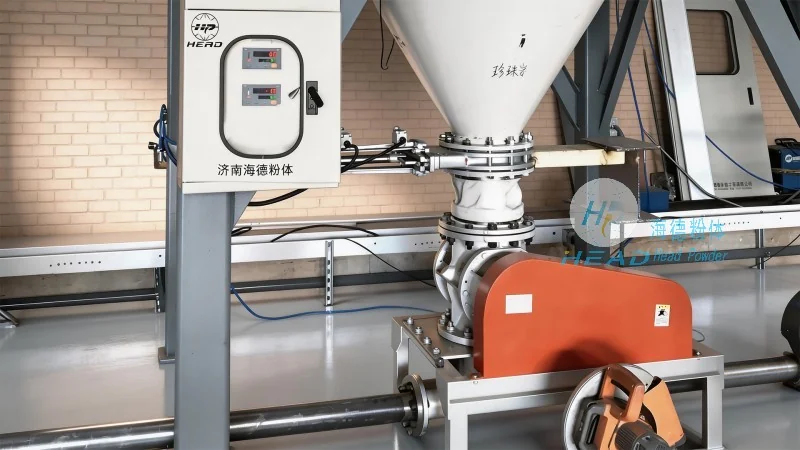
A typical silica powder conveying system consists of several key components that work together to transport the powder efficiently. The primary components include a hopper for storing the silica powder, a feeder to control the flow rate, a conveyor (such as a pneumatic or mechanical conveyor), and a receiver to collect the powder at the destination. The hopper is designed to hold a sufficient quantity of powder to ensure continuous operation, and it may include features like a discharge gate to regulate the flow. The feeder, often a rotary valve or a screw feeder, ensures a consistent and controlled flow of powder into the conveyor. The conveyor itself can be either pneumatic (using air to move the powder) or mechanical (using belts or screws). Pneumatic conveying is common for fine powders as it minimizes wear and can handle long distances, while mechanical conveying is suitable for shorter distances or when air quality is a concern. The receiver at the end of the system collects the powder and may include a dust collection system to prevent contamination. Each component must be carefully selected and integrated to ensure the system operates smoothly and meets the specific requirements of the application.
Applications of Silica Powder Conveying in Industry
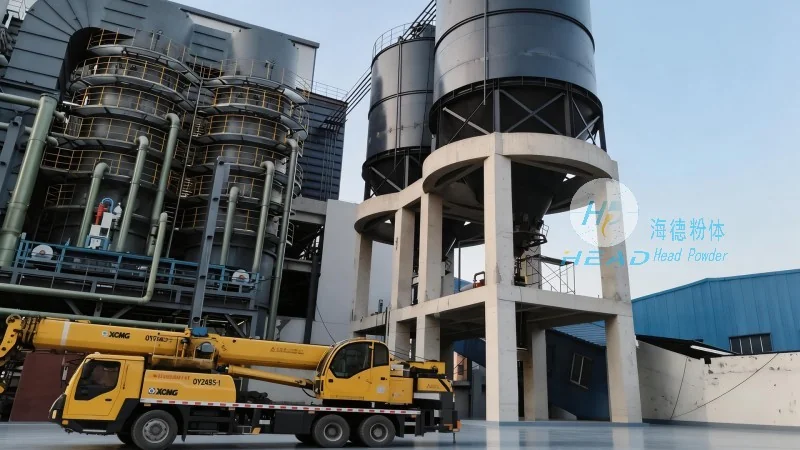
Silica powder conveying is widely used in various industrial applications where fine silica powder is a key raw material. In the pharmaceutical industry, silica powder is used as an excipient in drug formulations, and efficient conveying ensures that the powder is delivered to production lines without contamination or loss. In the chemical industry, silica is used in the production of silicones and other chemicals, and conveying systems must handle the powder under controlled conditions to prevent reactions or contamination. The food industry also utilizes silica powder as an anti-caking agent or filler, and conveying systems must meet strict hygiene standards to ensure the powder is handled safely. Additionally, in the cosmetics industry, silica is used in skincare products, and the conveying process must maintain the powder's quality and prevent degradation. Each application requires a tailored conveying system that addresses specific challenges, such as particle size, moisture content, or the need for sterile conditions.
Challenges and Solutions in Silica Powder Conveying
Despite the advancements in conveying technology, several challenges remain in silica powder handling. One of the main challenges is the risk of dust explosion, as fine silica powder can create explosive mixtures with air. To mitigate this risk, systems are designed with explosion-proof components and dust collection systems that prevent the accumulation of dust. Another challenge is the clogging of conveyor components, which can lead to system downtime. This is addressed through the use of self-cleaning chutes, vibration systems, and regular maintenance to ensure smooth operation. Additionally, the abrasive nature of silica powder can cause wear on equipment, leading to increased maintenance costs. To combat this, materials with high wear resistance, such as hardened steel or ceramic-lined components, are used. Finally, the need for precise control over the flow rate is crucial in many applications. This is achieved through the use of advanced control systems that monitor and adjust the feeder speed or air pressure to maintain consistent flow. These challenges highlight the importance of a well-designed and maintained conveying system to ensure reliable operation and product quality.
About Shandong HeadPowder Engineering Co., Ltd.
Shandong HeadPowder Engineering Co., Ltd., commonly known as HeadPowder, is a leading manufacturer specializing in the design and production of advanced powder handling equipment. With a focus on silica powder conveying systems, the company has developed innovative solutions that address the unique challenges of handling fine, abrasive powders. HeadPowder's products are designed to meet the highest standards of efficiency, safety, and reliability, ensuring that clients can operate their production lines with minimal downtime and maximum productivity. The company's team of experts has extensive experience in powder technology and engineering, allowing them to provide tailored solutions that meet the specific needs of each client. HeadPowder is committed to providing high-quality equipment and excellent customer service, helping industries around the world optimize their powder handling processes and achieve their production goals. With its headquarters in Shandong, China, HeadPowder serves clients globally, delivering reliable and efficient conveying systems that enhance operational performance and product quality.