

What is a Lithium Hydroxide Powder Handling System? What Are Its Design Principles?
Lithium hydroxide (LiOH) is a critical chemical compound widely used in various industries, including battery manufacturing, ceramics, and chemical synthesis. Efficient and safe handling of LiOH powder is essential to ensure product quality, minimize material loss, and maintain operational safety. A lithium hydroxide powder handling system is a specialized setup designed to transport, store, and process LiOH powder from raw material reception to final product packaging. This system integrates multiple components and follows specific design principles to optimize performance and reliability.
The Role of HeadPowder in Powder Handling Solutions
Shandong HeadPowder Engineering Co., Ltd., commonly known as HeadPowder, is a leading provider of advanced powder handling systems. With a focus on innovation and customer-centric solutions, HeadPowder specializes in designing and manufacturing systems tailored to the unique requirements of lithium hydroxide and other fine powders. The company's expertise lies in understanding the physical and chemical properties of powders, such as flowability, moisture sensitivity, and reactivity, to develop systems that ensure safe and efficient operation. HeadPowder's systems are engineered to meet stringent industry standards while providing flexibility for future expansion and integration with existing production lines.
Design Principles of Lithium Hydroxide Powder Handling Systems
The design of a lithium hydroxide powder handling system is guided by several key principles to ensure optimal performance and safety. First, the system must address the unique handling challenges of LiOH powder, which is hygroscopic (prone to absorbing moisture from the air) and can be reactive under certain conditions. To mitigate these risks, the system incorporates moisture-proof and dust-tight enclosures, as well as explosion-proof components where necessary. Second, the design prioritizes material compatibility to prevent contamination and degradation of the powder. Materials such as stainless steel, PTFE, and food-grade plastics are commonly used in contact parts to maintain the purity of LiOH. Third, the system is designed for easy maintenance and cleaning, with features like quick-release clamps and CIP (Clean-In-Place) capabilities to minimize downtime and ensure compliance with hygiene standards.
Key Components and Their Functions
A typical lithium hydroxide powder handling system consists of several interconnected components, each playing a crucial role in the overall operation. The primary components include:
- **Hopper and Feeder**: The hopper is used to store the incoming LiOH powder, while the feeder (often a rotary valve or vibratory feeder) regulates the flow rate to the subsequent processing equipment. The feeder ensures a consistent and controlled feed, preventing overloading or underfeeding that could affect downstream processes.
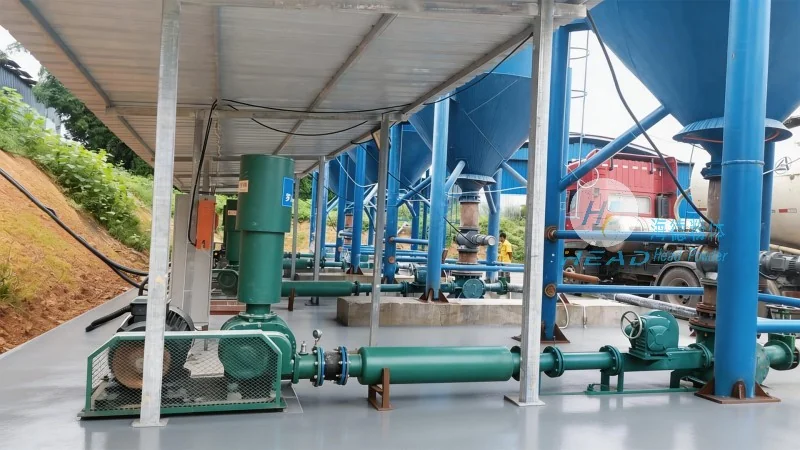
- **Conveying Equipment**: Depending on the system design, conveying equipment such as pneumatic or mechanical conveyors is used to transport the powder from the hopper to the processing unit. Pneumatic conveying systems are preferred for LiOH due to their ability to handle hygroscopic powders without direct contact, reducing the risk of moisture absorption.
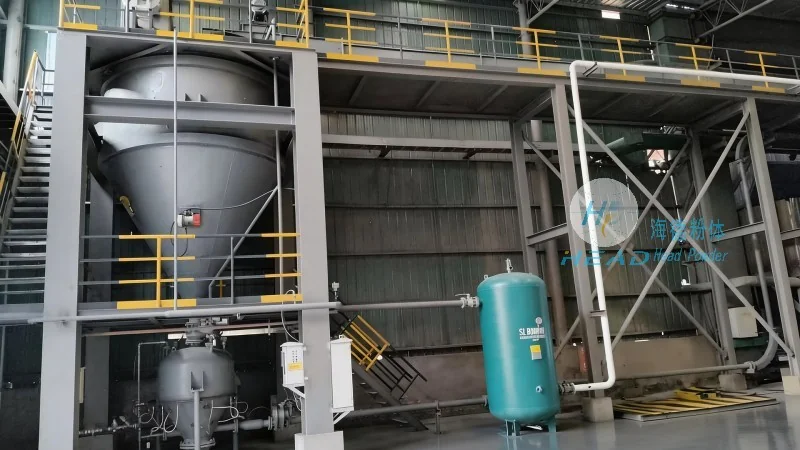
- **Dust Collection System**: To maintain a clean and safe working environment, a dust collection system is integrated into the design. This system captures and filters the powder particles, preventing them from escaping into the air and ensuring compliance with occupational health and safety regulations.
- **Control Panel and Automation**: The control panel houses the system's control system, including sensors, valves, and actuators. Automation is critical for maintaining consistent operation, as it allows for real-time monitoring of parameters such as flow rate, pressure, and temperature. The control system can also be programmed to adjust settings based on process conditions, enhancing efficiency and reducing human error.
Control and Automation in Powder Handling Systems
Modern lithium hydroxide powder handling systems rely heavily on advanced control and automation technologies to ensure precise and reliable operation. The control system typically includes:
- **Sensors**: Various sensors are used to monitor critical parameters, such as powder level in the hopper, pressure in the conveying lines, and temperature. These sensors provide real-time data to the control system, enabling it to make adjustments as needed.
- **Actuators**: Actuators, such as electric or pneumatic valves, are used to control the flow of powder and air in the system. They are actuated by the control system based on sensor inputs, ensuring that the system operates within safe and optimal parameters.
- **Programmable Logic Controllers (PLCs)**: PLCs are commonly used as the central control unit, as they offer flexibility, reliability, and ease of programming. The PLC can be programmed to follow specific sequences of operation, such as starting the feeder, activating the conveyor, and initiating the dust collection system.
- **Human-Machine Interface (HMI)**: The HMI provides operators with a user-friendly interface to monitor the system's status, adjust settings, and receive alerts in case of abnormalities. The HMI allows for remote monitoring and control, enhancing operational efficiency and reducing the need for on-site personnel.
Application Scenarios and Industry Standards
Lithium hydroxide powder handling systems are widely used in various industries where LiOH is a key raw material. In the battery industry, for example, LiOH is used to produce lithium carbonate and lithium hydroxide, which are essential components of lithium-ion batteries. The systems are also used in the ceramics industry for manufacturing lithium-based glazes and in chemical synthesis for producing other lithium compounds. HeadPowder's systems are designed to meet the specific requirements of these applications, ensuring that the powder is handled safely and efficiently.
Industry standards, such as those from the American Society of Mechanical Engineers (ASME) and the International Electrotechnical Commission (IEC), guide the design and operation of powder handling systems. These standards cover aspects such as safety, material compatibility, and environmental protection. HeadPowder's systems are compliant with these standards, ensuring that they meet the highest levels of quality and safety.