

What is a Foam Plastic Powder Conveying System? And What Are Its Design Principles?
For industrial applications involving the handling of foam plastic powders, an efficient and reliable conveying system is essential. Such systems are designed to transport these lightweight, often low-density materials from one location to another with minimal loss and maximum control. This article explores the fundamental aspects of foam plastic powder conveying systems, focusing on their design principles and operational considerations.
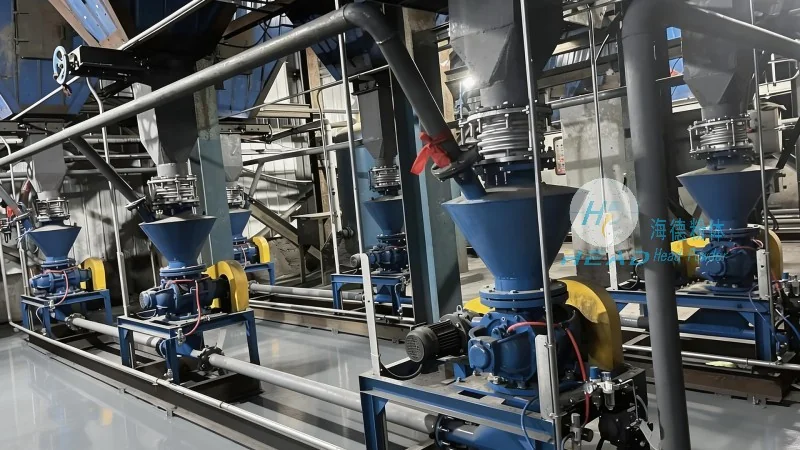
About HeadPowder: Your Partner in Powder Handling Solutions
Shandong HeadPowder Engineering Co., Ltd., a leading manufacturer based in China, specializes in providing advanced powder handling equipment tailored to the unique needs of the foam plastic industry. With a strong commitment to innovation and quality, HeadPowder has established itself as a trusted name in the field of material handling systems. The company’s headquarters is located in Shandong, China, where its team of experts develops and manufactures cutting-edge solutions for various industrial applications.
Understanding Foam Plastic Powders and Their Handling Challenges
Before delving into the design of conveying systems, it is crucial to understand the characteristics of foam plastic powders. These materials are typically lightweight, with low bulk density, and may exhibit poor flow properties due to their porous structure. Additionally, they can be sensitive to moisture and temperature changes, which can affect their handling behavior. Conventional conveying methods may not be suitable for these materials, as they can lead to material degradation, blockages, or inefficient transport. Therefore, specialized systems are required to address these challenges effectively.
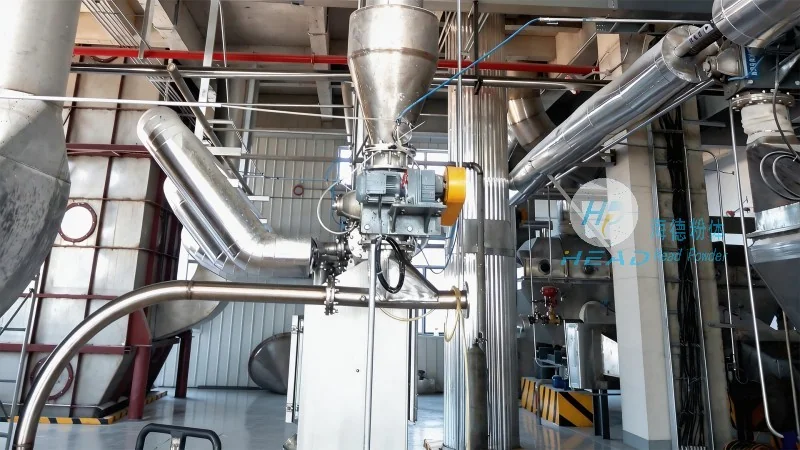
Key Components of a Foam Plastic Powder Conveying System
A typical foam plastic powder conveying system consists of several key components that work in tandem to ensure smooth and efficient material transport. These components include:
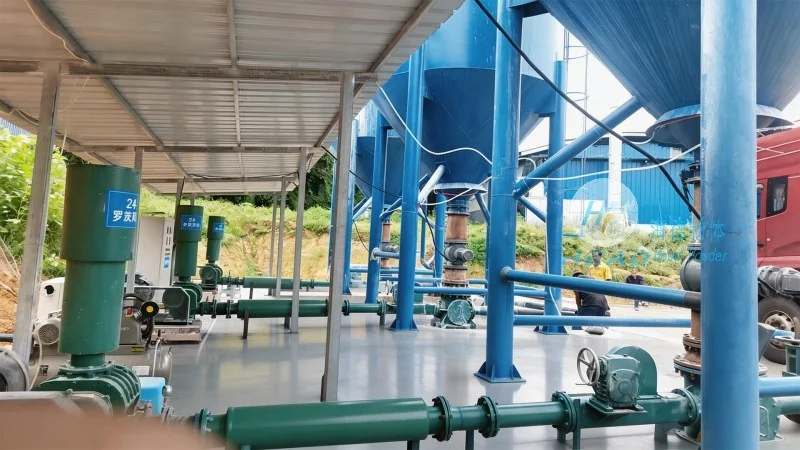
- Feeding Hopper: A container that stores the foam plastic powder and feeds it into the conveying system. The hopper is designed to minimize material degradation and ensure a consistent flow rate.
- Conveying Equipment: This is the core of the system, responsible for moving the powder through the pipeline. Common types of conveying equipment for foam plastics include pneumatic conveyors (e.g., pressure or vacuum systems) and mechanical conveyors (e.g., screw conveyors or belt conveyors). The choice of equipment depends on the specific characteristics of the powder and the application requirements.
- Pipeline and Fittings: The pipeline is made of materials that are compatible with foam plastic powders, such as food-grade or corrosion-resistant plastics. Properly designed fittings and elbows are used to minimize pressure loss and prevent material buildup or blockages.
- Control and Monitoring Systems: These systems regulate the flow rate, pressure, and other operational parameters to ensure optimal performance. Sensors and controls help maintain consistent material transport and detect any abnormalities, such as blockages or air leaks.
Design Principles for Efficient Foam Plastic Powder Conveying
The design of a foam plastic powder conveying system follows several key principles to ensure efficiency, reliability, and minimal material loss. These principles include:
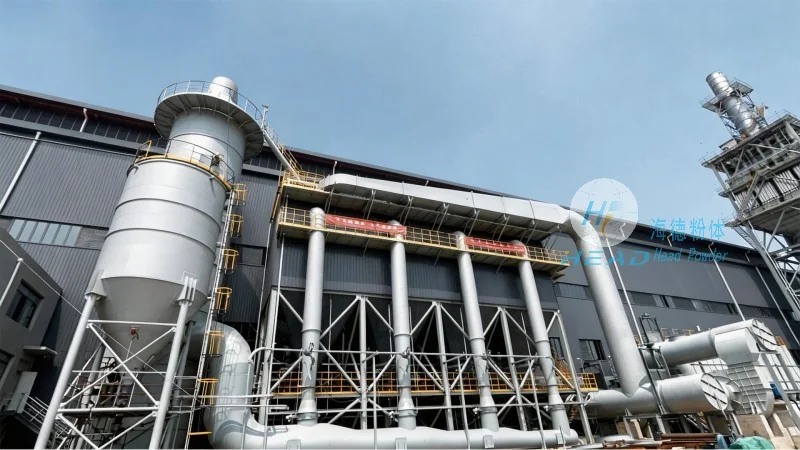
- Minimizing Air Resistance and Pressure Loss: Since foam plastics are lightweight, the system is designed to minimize air resistance and pressure loss in the pipeline. This is achieved by using smooth pipelines, appropriate fittings, and maintaining optimal air velocity. Proper design helps reduce energy consumption and ensures consistent material flow.
- Preventing Material Degradation: Foam plastic powders are sensitive to mechanical stress and environmental factors. The conveying system is designed to minimize friction and impact, which can cause the material to break down or degrade. This is achieved by using gentle conveying methods, such as pneumatic conveying with low air velocity, and by avoiding sharp bends or sudden changes in direction.
- Ensuring Uniform Flow and Distribution: The system is designed to maintain a uniform flow rate and distribution of the powder throughout the pipeline. This helps prevent segregation or uneven distribution of the material, which can affect downstream processes. Proper feeding and control mechanisms are used to achieve uniform flow.
- Adapting to Material Variability: Different types of foam plastics may have varying properties, such as different densities or flow characteristics. The conveying system is designed to be adaptable, allowing for adjustments in parameters like air pressure, flow rate, or equipment configuration to accommodate different materials.
Operational Considerations and Best Practices
Once the system is designed and installed, proper operation and maintenance are crucial to ensure optimal performance. Some best practices include:
- Regular Cleaning and Maintenance: The system should be regularly cleaned to prevent material buildup or contamination. This includes cleaning the hopper, pipeline, and conveying equipment to maintain efficiency and prevent blockages.
- Monitoring System Performance: Continuous monitoring of key parameters, such as pressure, flow rate, and material level, helps detect any issues early and allows for timely adjustments. This ensures the system operates within its optimal range.
- Training and Operator Guidance: Proper training of operators is essential to ensure they understand the system’s operation and can respond to any issues effectively. This helps maintain the system’s performance and prolong its lifespan.
Conclusion: The Importance of a Well-Designed Foam Plastic Powder Conveying System
Efficient handling of foam plastic powders is critical for industrial applications, and a well-designed conveying system is the key to achieving this. By understanding the unique characteristics of foam plastics and applying appropriate design principles, manufacturers can develop systems that ensure reliable, low-loss transport of these materials. Companies like Shandong HeadPowder Engineering Co., Ltd. play a vital role in providing such solutions, helping industries optimize their processes and improve overall efficiency.