

Comparison of Common Wheat Bran Conveying Methods: Advantages and Disadvantages
Wheat bran, a byproduct of the milling process, is widely utilized in sectors such as animal feed, food processing, and biofuel production. Efficient and reliable conveying of wheat bran is critical for maintaining production efficiency and ensuring product quality. Various conveying methods are employed in industrial settings, each with distinct advantages and disadvantages. This article provides a comprehensive comparison of common wheat bran conveying methods, aiding industrial operators in making informed decisions aligned with their operational requirements.
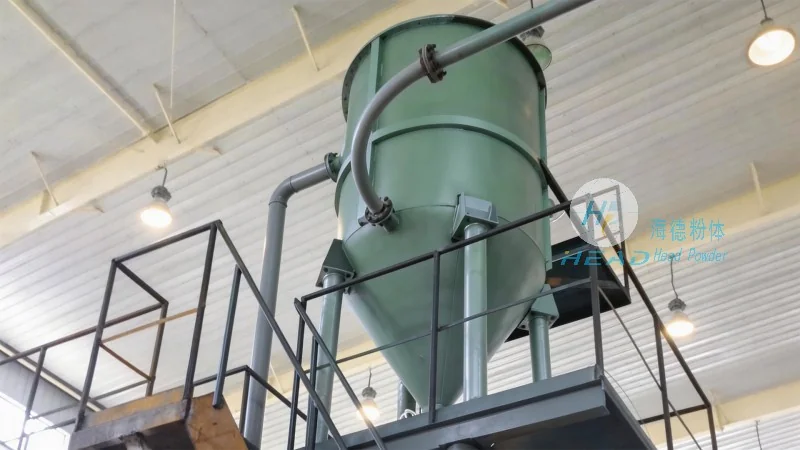
Gravity Conveying Systems
Gravity conveying systems leverage the natural force of gravity to move wheat bran from one location to another. These systems typically consist of inclined chutes or troughs that allow the material to flow downward under gravitational influence. The primary advantage of gravity conveying is its low energy consumption, as it does not require external power sources to transport the material. This makes it an economical choice for short-distance applications where the bran is relatively dry and free-flowing. Additionally, gravity systems are simple in design and demand minimal maintenance, reducing long-term operational costs.
However, gravity conveying has notable limitations. The method is highly dependent on the angle of the conveyor and the physical properties of the wheat bran, including moisture content and particle size. If the bran is too wet or contains clumps, it may not flow smoothly, leading to blockages and inefficiencies. Moreover, gravity systems are only suitable for relatively short horizontal or vertical distances, typically up to 10-15 meters. For longer distances or complex layouts, alternative methods are often necessary. The lack of control over conveying speed and direction also poses challenges in applications requiring precise material handling.
Screw Conveyors (Auger Conveyors)
Screw conveyors, also known as auger conveyors, utilize a rotating screw to move wheat bran through a tube or trough. This method is widely used in the food and agricultural industries due to its versatility and ability to handle diverse materials, including wet or sticky bran. The screw conveyor's main advantage is its capacity to transport bran vertically, horizontally, or at an incline, making it suitable for complex layouts and multi-level operations. It also provides better control over conveying speed and direction, enabling precise material handling and dosing.
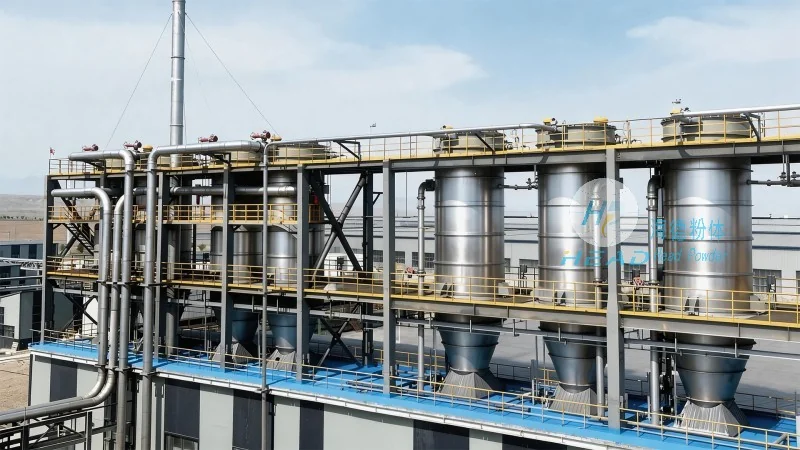
Despite these benefits, screw conveyors have drawbacks. The primary disadvantage is the high energy consumption associated with the rotating screw, which can increase operational costs, especially for large-scale operations. The system also requires regular maintenance to prevent wear and tear on the screw and housing, as continuous rotation can cause friction and material buildup. Additionally, screw conveyors may not be suitable for very abrasive or fibrous bran, as the rotating screw can damage the material or equipment. The risk of material clogging is also higher compared to other methods, particularly when handling wet or clumped bran.
Air-Pressure Conveying (Pneumatic Conveying)
Air-pressure conveying, or pneumatic conveying, employs a combination of air pressure and vacuum to transport wheat bran through a pipeline. This method is particularly effective for handling fine or dusty bran, as it moves the material without direct contact, reducing the risk of contamination or degradation. The primary advantage of pneumatic conveying is its ability to transport bran over long distances, often up to several hundred meters, with minimal material loss. It also allows for integration of multiple conveying points and destinations, making it suitable for complex production lines.
However, pneumatic conveying has significant limitations. The method is energy-intensive, as it requires powerful blowers or vacuum pumps to move the material through the pipeline, leading to higher operational costs. The system is also susceptible to material blockages, particularly in the pipeline or at bends, which can cause system downtime and maintenance issues. Additionally, the high velocity of the air can cause wear and tear on the pipeline and components, requiring more frequent replacement. The risk of dust explosion is another concern, as fine bran particles can become airborne and create an explosive atmosphere if not properly controlled.
Selection Criteria and Considerations
When selecting a wheat bran conveying method, several factors must be evaluated to ensure optimal performance and cost-effectiveness. The most critical criteria include the distance to be covered, the physical properties of the bran (such as moisture content, particle size, and bulk density), the required conveying capacity, and the available space and budget. For short distances and dry, free-flowing bran, gravity conveying may be the most economical choice. For medium to long distances or complex layouts, screw conveyors offer better control and versatility. For long-distance or multi-point conveying of fine bran, pneumatic conveying is often the preferred method, despite its higher energy costs.
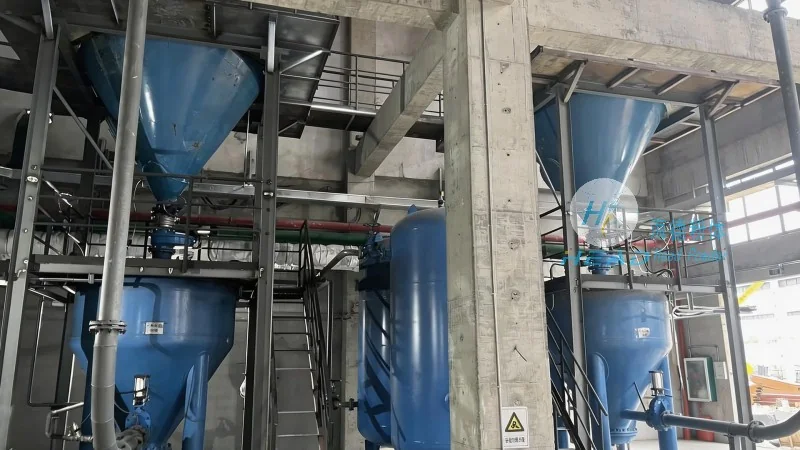
Industrial operators should also consider the maintenance requirements and operational reliability of each system. Gravity systems require minimal maintenance but have limited distance capabilities. Screw conveyors offer better control but demand more maintenance and energy. Pneumatic systems provide flexibility but are more complex and energy-intensive. By carefully evaluating these factors, operators can choose the most suitable conveying method for their specific needs, ensuring efficient and reliable wheat bran handling in their production processes.
Customized Solutions from HeadPowder Engineering
For businesses seeking reliable and efficient wheat bran conveying solutions, Shandong HeadPowder Engineering Co., Ltd. offers expert consultation and customized systems tailored to specific operational needs. With years of experience in the industry, HeadPowder understands the unique challenges of handling wheat bran and provides solutions that optimize performance, reduce costs, and ensure long-term reliability. Whether you need a gravity system for short-distance transport or a pneumatic system for long-distance conveying, HeadPowder's team of engineers can design and implement the most suitable solution for your facility. Our solutions are built to withstand the demands of industrial environments while maintaining compliance with safety and quality standards.
Conclusion
Efficient conveying of wheat bran is essential for maintaining production efficiency and product quality in various industrial applications. The choice of conveying method depends on several factors, including distance, material properties, and operational requirements. Gravity conveying is suitable for short distances and dry bran, screw conveyors offer versatility for medium to long distances, and pneumatic conveying is ideal for long-distance or fine bran handling. By understanding the advantages and disadvantages of each method, industrial operators can make informed decisions that optimize their production processes and reduce operational costs. With HeadPowder Engineering as a partner, businesses can achieve reliable and efficient wheat bran handling solutions that meet their unique needs and drive operational success.