

What is a Regenerated Sand Powder Conveying Equipment? What are its Design Principles?
For manufacturers in the foundry industry, the efficient handling of regenerated sand is crucial for maintaining production efficiency and reducing costs. A regenerated sand powder conveying equipment is a specialized system designed to transport sand particles that have been reclaimed from the casting process. This equipment plays a vital role in the sand recycling loop, ensuring that the sand is cleaned, classified, and then conveyed back to the molding or core-making processes. The design of such equipment is tailored to meet the specific demands of sand characteristics, including particle size distribution, moisture content, and contamination levels. By understanding the components and operational principles of this equipment, foundry operators can optimize their sand management systems and enhance overall production performance.
Key Components of Regenerated Sand Powder Conveying Systems
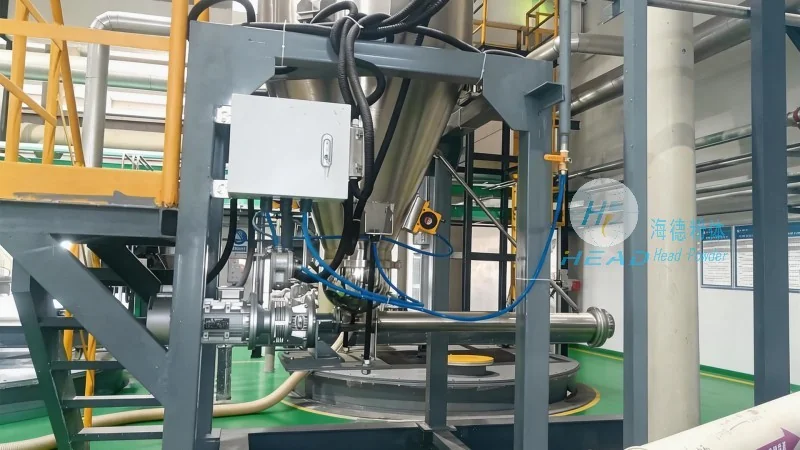
The core components of a regenerated sand powder conveying system typically include a sand reclamation unit, a sand drying or conditioning unit, a sand classifier, and a conveying mechanism. The sand reclamation unit is responsible for removing impurities from the used sand, such as metal chips, refractory materials, and other contaminants. This is often achieved through processes like screening, magnetic separation, and air classification. Once the sand is cleaned, it may undergo drying to reduce moisture content, which is essential for maintaining the sand's flowability and preventing clogging in the conveying system. The sand classifier then separates the sand into different size fractions, ensuring that only the appropriate particles are used for specific casting applications. Finally, the conveying mechanism transports the processed sand to the storage or feeding areas of the foundry.
Design Principles for Efficient Sand Conveying
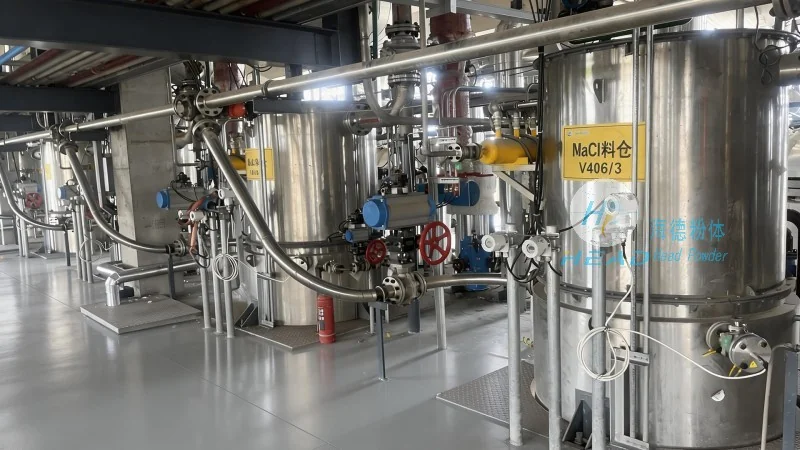
The design of regenerated sand powder conveying equipment is guided by several key principles to ensure optimal performance. First, the system must be capable of handling a wide range of sand particle sizes and moisture levels without clogging or degradation. This often involves the use of flexible materials and components that can accommodate variations in sand characteristics. Second, the conveying system should minimize energy consumption while maintaining high throughput rates. This is achieved through the selection of appropriate conveying methods, such as pneumatic conveying or mechanical screw conveyors, depending on the specific application and sand properties. Third, the equipment must be designed for easy maintenance and cleaning to prevent the buildup of contaminants and ensure long-term reliability. Regular maintenance, including the replacement of filters and wear parts, is essential to keep the system operating at peak efficiency. Additionally, the design should incorporate safety features to protect operators from dust exposure and mechanical hazards, aligning with industry standards for occupational health and safety.
Applications and Benefits of Regenerated Sand Conveying Equipment
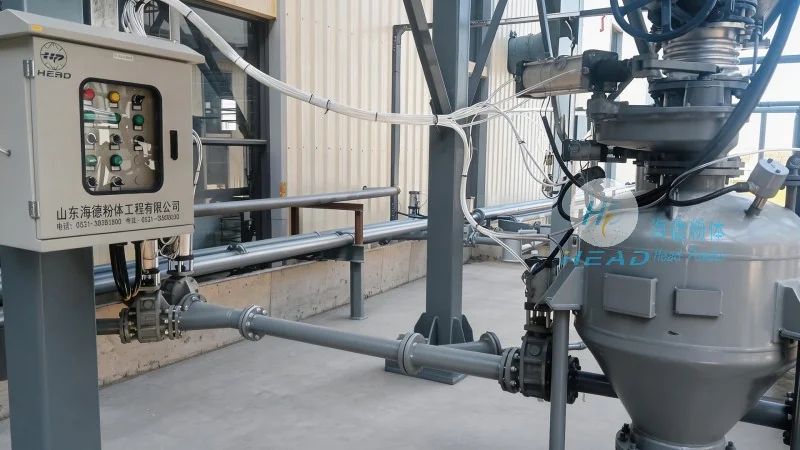
Regenerated sand powder conveying equipment is widely used in various foundry applications, including green sand molding, dry sand molding, and shell molding processes. The primary benefits of using such equipment include significant cost savings through the reuse of sand, reduced waste disposal costs, and improved environmental sustainability. By recycling sand, foundries can lower their raw material expenses and minimize their environmental footprint. Additionally, the consistent quality of the reclaimed sand ensures that casting processes are more reliable and produce higher-quality parts. The equipment also contributes to increased production efficiency by reducing downtime associated with sand handling and improving the overall flow of materials within the foundry. For example, in large-scale foundries, the automated conveying of sand can streamline operations and allow for continuous production cycles without interruptions.
Conclusion: The Importance of Advanced Sand Conveying Solutions
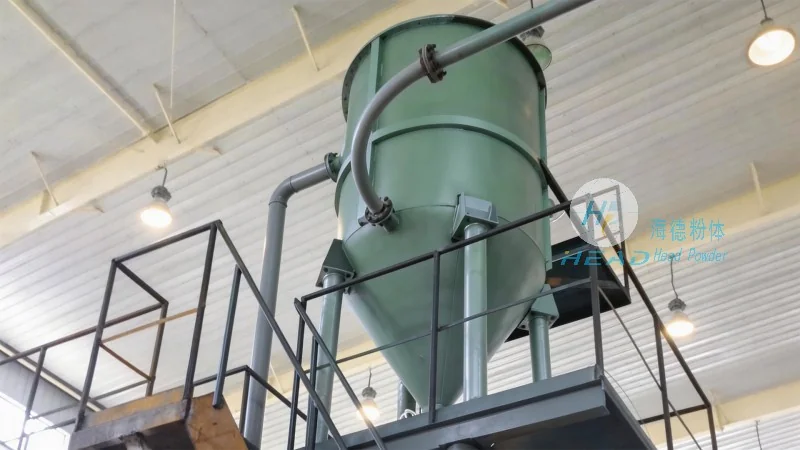
In conclusion, regenerated sand powder conveying equipment is a critical component of modern foundry operations, enabling the efficient recycling and reuse of sand. The design principles and components of these systems are carefully engineered to meet the unique demands of sand characteristics and foundry processes. By investing in advanced sand conveying solutions, foundry operators can enhance their production efficiency, reduce costs, and improve environmental sustainability. As the foundry industry continues to evolve, the importance of reliable and efficient sand management systems will only grow, making the development of advanced conveying equipment a key focus for manufacturers and operators alike. The collaboration between foundry engineers and equipment suppliers, such as Shandong HeadPowder Engineering Co., Ltd., is essential in developing tailored solutions that address the specific needs of each foundry, ensuring optimal performance and long-term success in sand recycling and handling.