

What is a Precipitated Barium Sulfate Powder Handling Equipment? And What Are Its Design Principles?
For industries dealing with fine powders, especially those involving precipitated barium sulfate, the efficient and reliable handling of such materials is crucial. This article explores the concept of a precipitated barium sulfate powder handling equipment, detailing its design principles and the technology behind it. The equipment is designed to manage the flow, storage, and transfer of this specific powder, ensuring optimal performance in various industrial applications.
Understanding Precipitated Barium Sulfate
Precipitated barium sulfate is a white, insoluble powder commonly used as a filler in coatings, plastics, and other industrial products. Its fine particle size and chemical stability make it a preferred material in many sectors. However, due to its powder nature, handling it requires specialized equipment to prevent issues like dust dispersion, caking, and material loss. The handling equipment addresses these challenges by providing a controlled environment for processing and transporting the powder.
Design Principles of the Handling Equipment
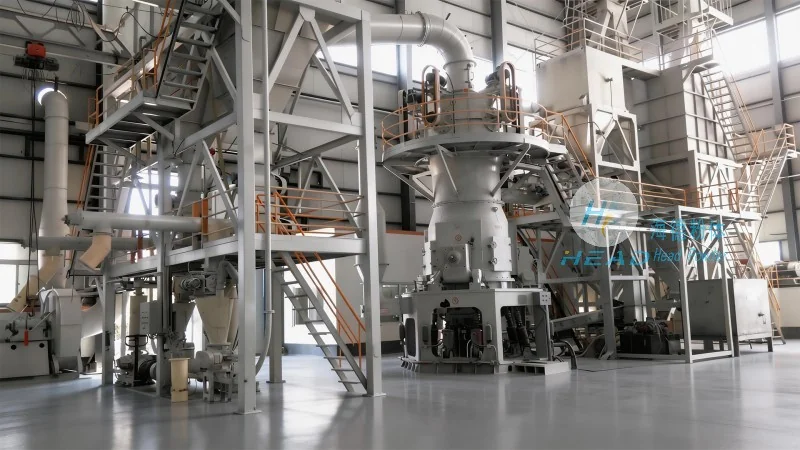
The design of a precipitated barium sulfate powder handling equipment is based on several key principles to ensure efficiency and safety. First, the equipment must maintain a dust-free environment to comply with industrial hygiene standards and prevent contamination. This is achieved through enclosed systems and effective dust collection mechanisms. Second, the design focuses on minimizing material degradation, as barium sulfate particles are sensitive to mechanical stress and moisture. The equipment uses low-friction components and controlled airflow to protect the powder's integrity. Third, the system is engineered for easy maintenance and cleaning, as regular upkeep is essential to prevent clogging and ensure consistent performance. The design also considers scalability, allowing the equipment to be adapted for different production volumes and operational needs.
Key Components and Their Functions
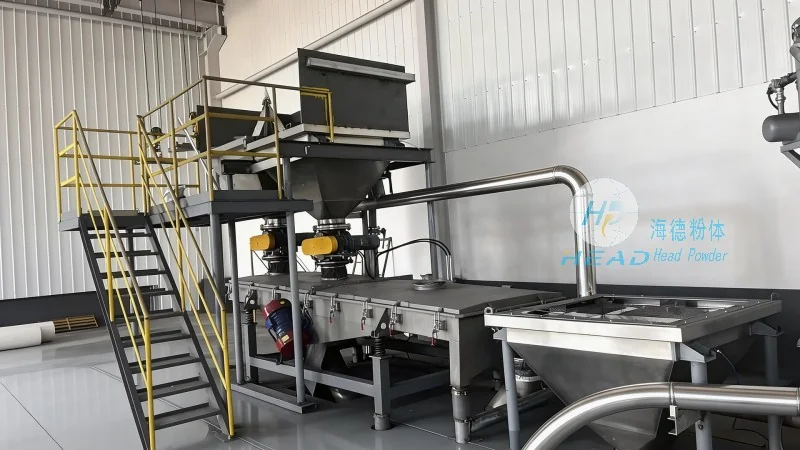
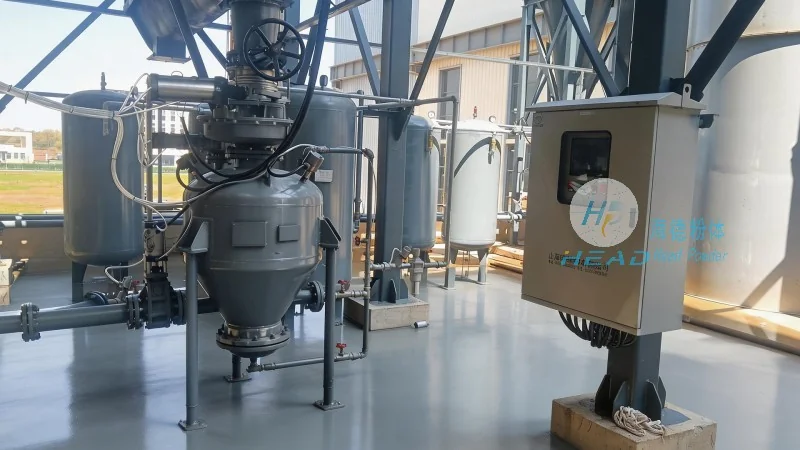
The precipitated barium sulfate powder handling equipment typically consists of several key components, each playing a vital role in the overall operation. The hopper or storage bin is the primary container for the powder, designed with smooth, non-stick surfaces to prevent caking and ensure easy discharge. The feeding mechanism, often a screw conveyor or rotary valve, controls the flow rate of the powder from the hopper to the processing or transport system. This component is critical for maintaining a consistent feed rate, which is essential for downstream processes. The conveying system, such as a pneumatic or mechanical conveyor, transports the powder to the desired location. Pneumatic conveying is particularly effective for fine powders like barium sulfate, as it uses air pressure to move the material without direct contact, reducing wear and tear on the equipment. The dust collection system, including filters and cyclones, captures any airborne particles, ensuring a clean working environment and preventing environmental contamination. Finally, the control system monitors and regulates the operation of all components, providing real-time feedback on flow rates, pressure, and other critical parameters to maintain optimal performance.
Applications and Benefits
The precipitated barium sulfate powder handling equipment is widely used in various industries, including coatings, plastics, and pharmaceuticals. In the coatings industry, the equipment ensures a consistent supply of high-quality barium sulfate, which enhances the durability and opacity of paint formulations. In the plastics industry, the powder is used as a filler to improve the mechanical properties and reduce costs of plastic products. The equipment's ability to handle fine powders efficiently helps manufacturers achieve uniform product quality and reduce waste. Additionally, the equipment's design minimizes dust exposure, improving workplace safety and compliance with environmental regulations. The benefits of using this specialized equipment include increased productivity, reduced material loss, and improved product consistency, making it a valuable investment for any company dealing with precipitated barium sulfate.
Conclusion
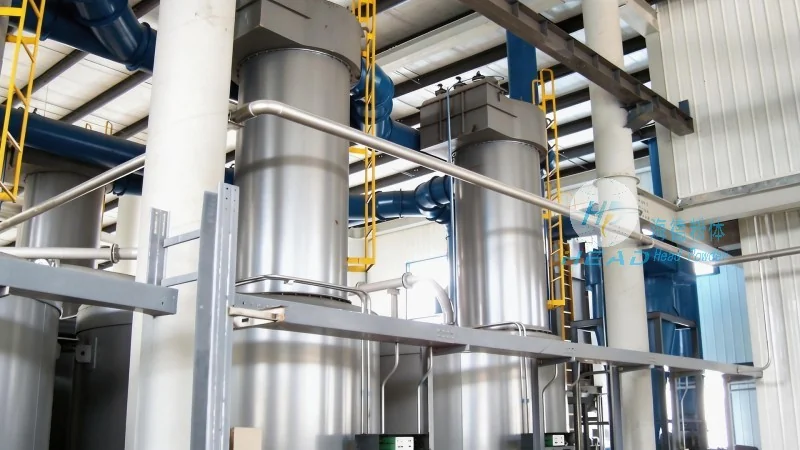
In summary, the precipitated barium sulfate powder handling equipment is a critical piece of machinery for industries relying on this fine powder. Its design principles, focusing on dust control, material integrity, and ease of maintenance, ensure efficient and safe operation. The key components work together to provide a reliable system for handling, storing, and transporting barium sulfate, supporting various industrial applications. For companies like Shandong HeadPowder Engineering Co., Ltd., based in China, this equipment represents a solution to the challenges of processing fine powders, contributing to improved productivity and product quality in the market.