

What is an Automatic Quantitative Powder Conveying Line? What Are Its Design Principles?
When it comes to industrial processes involving the handling of bulk powders, the efficiency and accuracy of material transfer are paramount. An automatic quantitative powder conveying line is a specialized system engineered to handle this task with precision, ensuring that powders are transported, measured, and dispensed in controlled quantities. This article delves into the essence of such systems and the fundamental design principles that underpin their operation.
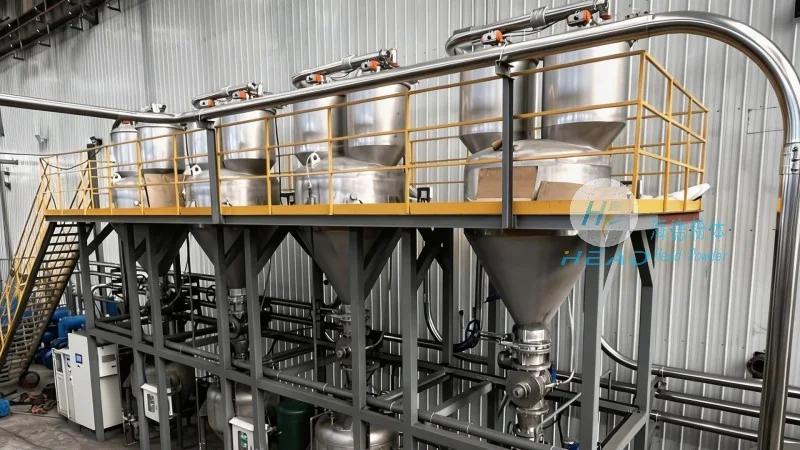
Introduction to Automatic Quantitative Powder Conveying Lines
An automatic quantitative powder conveying line is a sophisticated piece of industrial equipment designed to manage the movement of bulk powders from one location to another while maintaining precise measurement and control. These systems are widely used across various industries, including pharmaceuticals, chemicals, food processing, and manufacturing, where the consistency and reliability of powder handling are critical. The primary goal of these lines is to automate the process of powder transfer, reducing human error and enhancing operational efficiency.
Understanding the Core Function of the System
The core function of an automatic quantitative powder conveying line is to ensure that powders are conveyed in exact, pre-determined quantities. This involves several key steps: intake of the powder, transportation through a pipeline or conveyor system, precise measurement using sensors or volumetric devices, and controlled discharge at the destination. The system is designed to maintain a consistent flow rate and volume, which is essential for applications that require uniform product quality and batch-to-batch consistency.
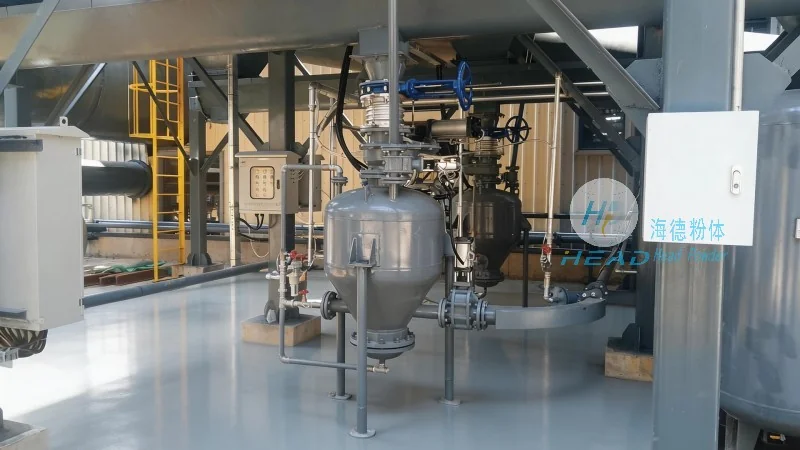
Key Design Principles Behind the Conveying Line
The design of an automatic quantitative powder conveying line is governed by several critical principles aimed at optimizing performance and reliability. One of the most important principles is the use of airtight and dust-proof components to prevent material loss and contamination. The system typically incorporates a combination of pneumatic or mechanical conveying methods, with the choice depending on the properties of the powder and the application requirements. Another key principle is the integration of advanced measurement technology, such as load cells, flow meters, or volumetric sensors, to ensure accurate quantity control. Additionally, the design emphasizes energy efficiency and minimal maintenance, with components constructed from durable materials to withstand the rigors of continuous operation.
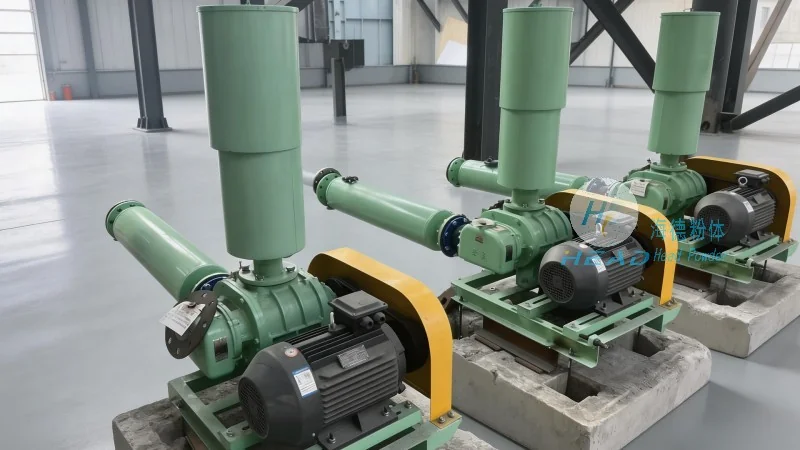
Components and Their Roles in the System
An automatic quantitative powder conveying line consists of several interconnected components, each playing a vital role in the overall operation. The primary components include a hopper or feeder for material intake, a conveying device (such as a screw conveyor, pneumatic duct, or rotary valve), a metering device (like a volumetric feeder or gravimetric scale), and a discharge valve or outlet. The hopper ensures a steady supply of powder, while the conveying device transports the material through the system. The metering device is the heart of the system, responsible for measuring the exact amount of powder being transferred. Finally, the discharge valve controls the release of the measured powder to the next stage of the process. Each component is carefully selected and integrated to work in harmony, ensuring seamless and accurate operation.
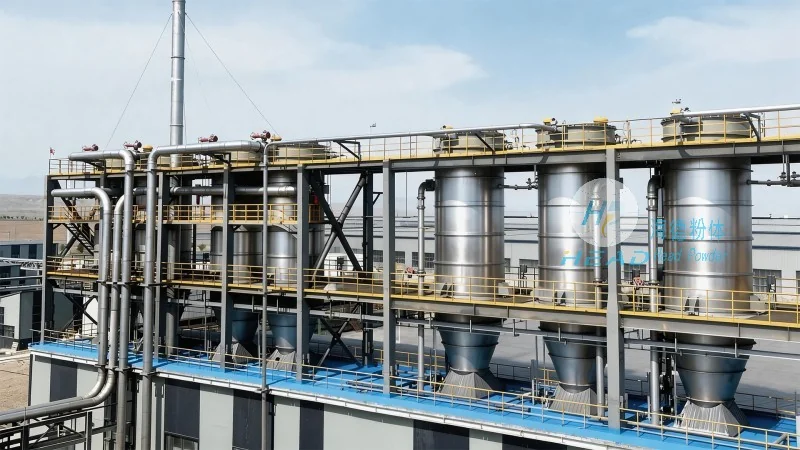
The Role of HeadPowder in Providing Such Solutions
Shandong HeadPowder Engineering Co., Ltd., commonly known as HeadPowder, is a leading manufacturer and supplier of industrial powder handling solutions. With a strong presence in China, particularly in Shandong, the company specializes in designing and manufacturing automatic quantitative powder conveying lines tailored to the specific needs of various industries. HeadPowder leverages years of experience and advanced engineering capabilities to develop systems that meet stringent quality and performance standards. The company’s commitment to innovation and customer satisfaction has made it a trusted partner for businesses seeking reliable and efficient powder handling solutions. By focusing on the core design principles and components discussed above, HeadPowder ensures that its products deliver consistent performance and long-term value to its clients.
Conclusion
In conclusion, an automatic quantitative powder conveying line is a sophisticated industrial system designed to handle bulk powders with precision and efficiency. The design principles, components, and integration of advanced measurement technologies are crucial to achieving accurate quantity control and reliable operation. Companies like Shandong HeadPowder Engineering Co., Ltd. play a vital role in providing these solutions, helping industries maintain product quality and operational efficiency. As the demand for consistent and controlled powder handling continues to grow, the importance of such systems will only increase, making them an essential part of modern industrial processes.