

Common Wheat Bran Conveying Methods: A Comparison of Advantages and Disadvantages
When it comes to transporting wheat bran in industrial settings, selecting the right conveying method is crucial for efficiency, cost-effectiveness, and operational reliability. Various technologies are available, each with its own set of advantages and disadvantages. This article provides a detailed comparison of common wheat bran conveying methods, helping you make an informed decision for your specific application. Shandong HeadPowder Engineering Co., Ltd., a professional manufacturer specializing in industrial conveying equipment, offers a range of solutions tailored to meet the diverse needs of wheat bran handling.
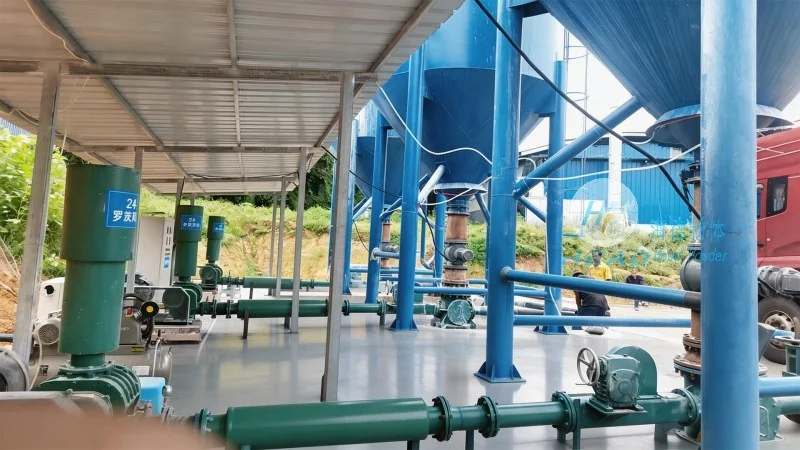
Overview of Wheat Bran Conveying Methods
Wheat bran, a byproduct of wheat milling, is often used in animal feed, food production, and other industrial applications. Efficient and reliable transportation of this material is essential to maintain production flow and minimize downtime. The primary methods used for wheat bran conveying include screw conveyors, pneumatic (air) conveyors, belt conveyors, and bucket elevators. Each method has distinct characteristics that make it suitable for different scenarios.
Screw Conveyors: A Traditional and Versatile Option
Screw conveyors, also known as auger conveyors, are among the most common and versatile systems for transporting wheat bran. These devices use a rotating helical screw to move material along a U-shaped or tubular housing. The primary advantages of screw conveyors include their simplicity, low maintenance requirements, and ability to handle a wide range of materials, including bran with varying moisture content. They are particularly effective for horizontal or slightly inclined transport over short to medium distances. However, screw conveyors have limitations, such as the risk of material bridging or clogging in the trough, especially with high moisture or fibrous bran. Additionally, they may not be suitable for long vertical lifts due to the mechanical stress on the screw and housing.
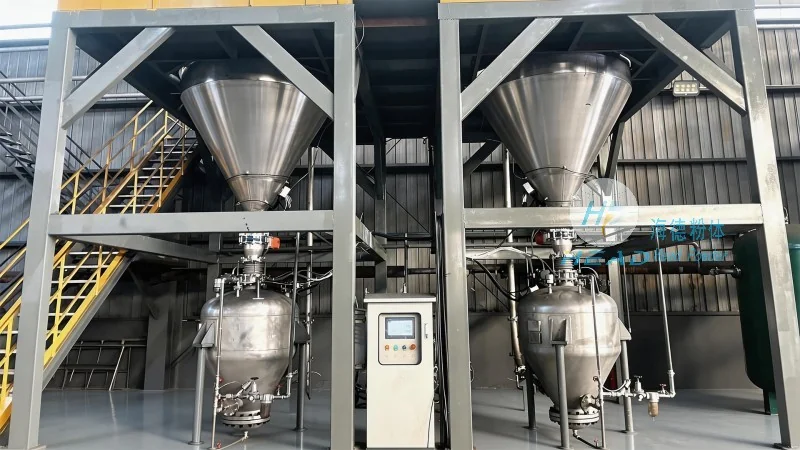
Pneumatic (Air) Conveyors: Ideal for Dusty and Light Materials
Pneumatic conveyors use air pressure to transport wheat bran through a pipeline system. These systems are highly effective for moving light, dusty, or fine materials like wheat bran. The main advantage is the ability to transport material over long distances and even vertically, with minimal maintenance and no moving parts in the line of the conveying path. This reduces the risk of material contamination and mechanical failure. Pneumatic conveyors are also suitable for applications requiring dust control and enclosed transport, which is beneficial for maintaining hygiene standards in food processing or animal feed production. However, they have significant drawbacks, including high energy consumption, as they require powerful air compressors to generate the necessary pressure. Additionally, the system can be prone to clogging if the bran is too wet or contains large particles, and the initial investment cost is generally higher than that of mechanical conveyors.
Belt Conveyors: High-Capacity and Cost-Effective Solutions
Belt conveyors are widely used in bulk material handling, including wheat bran, due to their high capacity and cost-effectiveness. These systems consist of a continuous belt that moves material along a frame supported by rollers. The primary advantage is the ability to transport large volumes of material over long horizontal distances with minimal labor. Belt conveyors are particularly suitable for applications where the bran is dry and free-flowing, as they can handle higher loads without the risk of clogging. They are also relatively easy to install and maintain, with simple replacement of the belt when needed. However, belt conveyors have limitations, such as the need for regular cleaning to prevent material buildup on the belt surface, which can affect efficiency. Additionally, they are not suitable for vertical lifts or steep inclines, as the belt may slip or the material may fall off. The initial setup cost is also higher compared to screw conveyors, but the operational costs are generally lower over time.
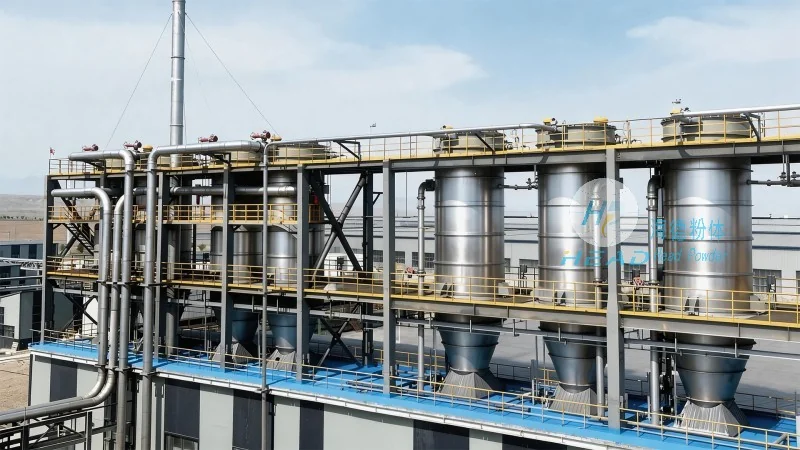
Bucket Elevators: Efficient Vertical Transport
Bucket elevators are specialized conveyors designed for vertical or steep incline transport of wheat bran. These systems use a series of buckets attached to a chain or belt that moves up and down inside a vertical housing. The main advantage is the ability to transport material vertically over significant heights with high efficiency and minimal space requirements. Bucket elevators are particularly effective for applications where the bran needs to be lifted from a lower to a higher level, such as in silos or storage facilities. They can handle a wide range of material types, including bran with varying moisture content, and are less prone to clogging compared to screw conveyors. However, bucket elevators have drawbacks, including higher maintenance costs due to the moving parts (chains, buckets, and housing) and the risk of material spillage at the discharge point. They are also less flexible for horizontal transport and may require additional equipment for horizontal movement.
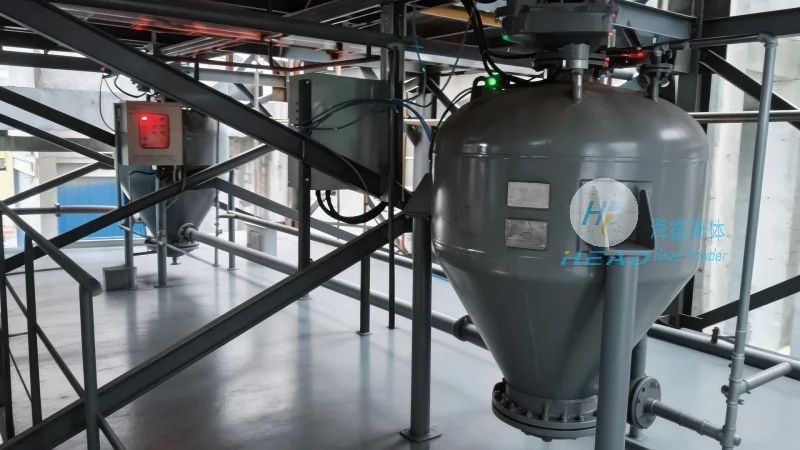
Choosing the Right Conveying Method for Your Needs
Selecting the appropriate wheat bran conveying method depends on several factors, including the volume of material to be transported, the distance and elevation changes, the material characteristics (moisture content, particle size, and flowability), and the budget constraints. For short horizontal transport of dry bran, a screw conveyor may be the most cost-effective choice. For long-distance or vertical transport of light, dusty bran, a pneumatic conveyor is often the best option. Belt conveyors are ideal for high-capacity horizontal transport of bulk bran, while bucket elevators are suitable for vertical lifting in storage or processing facilities.
Conclusion
Efficient wheat bran conveying is essential for maintaining smooth operations in industrial settings. By understanding the advantages and disadvantages of each method, you can select the most suitable system for your specific needs. Whether you choose a screw conveyor, pneumatic conveyor, belt conveyor, or bucket elevator, the key is to balance performance, cost, and maintenance requirements. Shandong HeadPowder Engineering Co., Ltd., a leading provider of industrial conveying solutions, offers a range of equipment tailored to meet the diverse needs of wheat bran handling. With their expertise and innovative designs, they help businesses optimize their material transport processes and enhance overall productivity.