

What is a Kaolin Powder Conveying Line? What Are Its Design Principles?
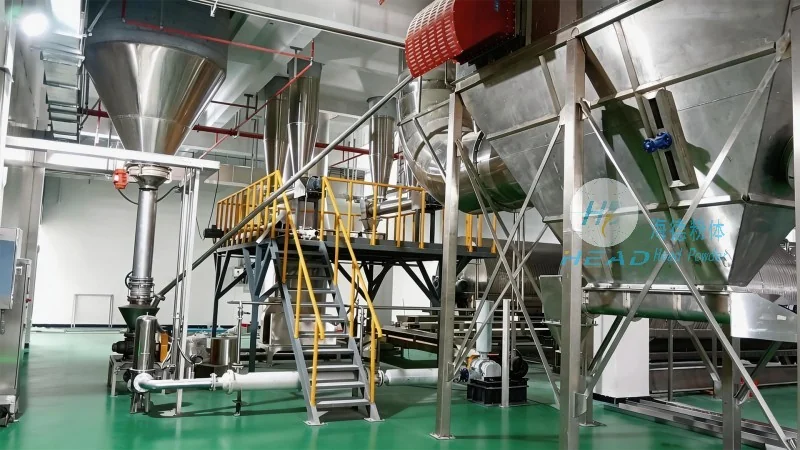
For industrial applications involving kaolin powder, the efficient and reliable transportation of this fine material is crucial. A kaolin powder conveying line is a specialized system engineered to handle the unique properties of kaolin, ensuring safe and effective movement from storage to processing or end-use. This article explores the fundamental aspects of such systems, focusing on their design principles and operational considerations.
Understanding Kaolin Powder Properties
Before delving into the design of a conveying line, it is essential to understand the characteristics of kaolin powder. Kaolin, also known as china clay, is a white, fine-grained clay composed primarily of kaolinite. Its properties, such as low bulk density, high moisture content sensitivity, and tendency to agglomerate or form dust, significantly influence the choice of conveying equipment and system design. The design must account for these factors to prevent material degradation, ensure consistent flow, and maintain operational safety.
Key Components of a Kaolin Powder Conveying Line
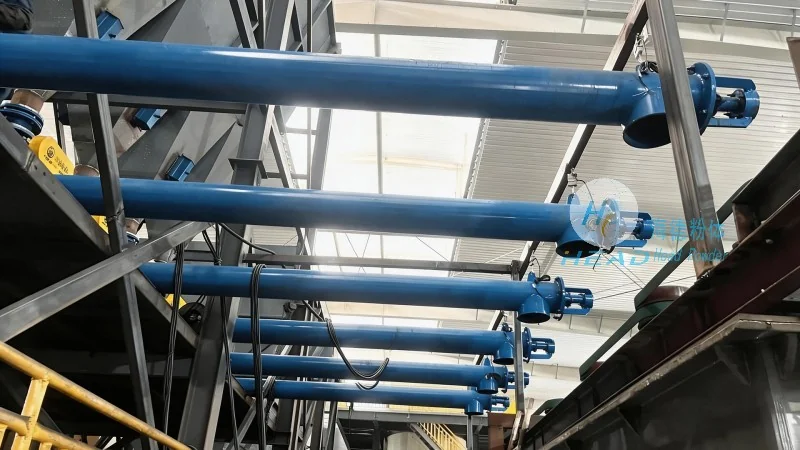
A typical kaolin powder conveying line consists of several interconnected components, each playing a vital role in the overall system. These components include feeders, conveyors, dust collection systems, and control mechanisms. The feeders are responsible for accurately metering the powder into the conveying system, while the conveyors transport it through the line. Dust collection systems are critical for maintaining air quality and preventing dust emissions, which is essential for both environmental compliance and worker safety. Control mechanisms ensure the system operates smoothly, with adjustments made as needed to maintain optimal performance.
Design Principles for Efficient Conveying
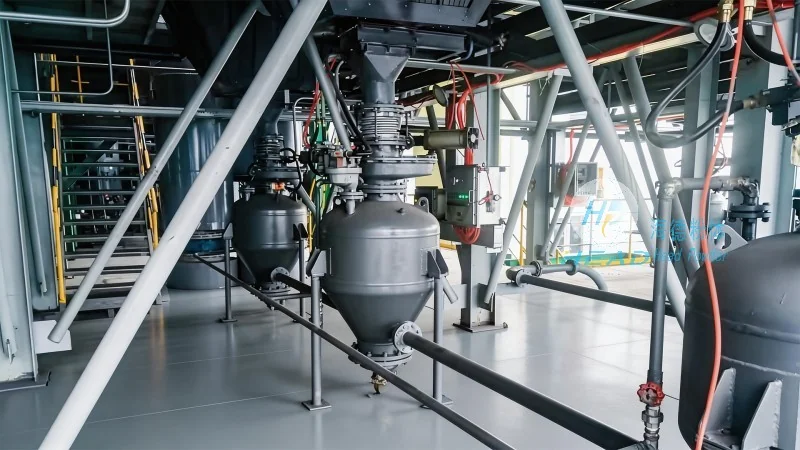
The design of a kaolin powder conveying line is guided by several key principles aimed at maximizing efficiency, reliability, and safety. One of the primary principles is the minimization of material degradation. This involves selecting equipment that minimizes friction and impact, as kaolin powder is sensitive to mechanical stress. The system should also be designed to handle variations in material flow, such as changes in moisture content or particle size, to maintain consistent performance. Additionally, the design must consider the need for dust control, as kaolin powder is prone to generating fine particles that can be hazardous if inhaled. The integration of dust collection systems and proper ventilation is therefore a critical design consideration.
Material Handling Solutions by Shandong HeadPowder Engineering Co., Ltd.
Shandong HeadPowder Engineering Co., Ltd., a leading provider of industrial material handling solutions, specializes in designing and manufacturing kaolin powder conveying lines tailored to the specific needs of clients. With years of experience in the industry, the company understands the unique challenges associated with handling kaolin powder and has developed advanced solutions to address them. The company’s approach to design emphasizes the use of high-quality materials and components, ensuring durability and long-term performance. Their systems are engineered to meet stringent industry standards, providing reliable and efficient operation for a wide range of applications.
Conclusion
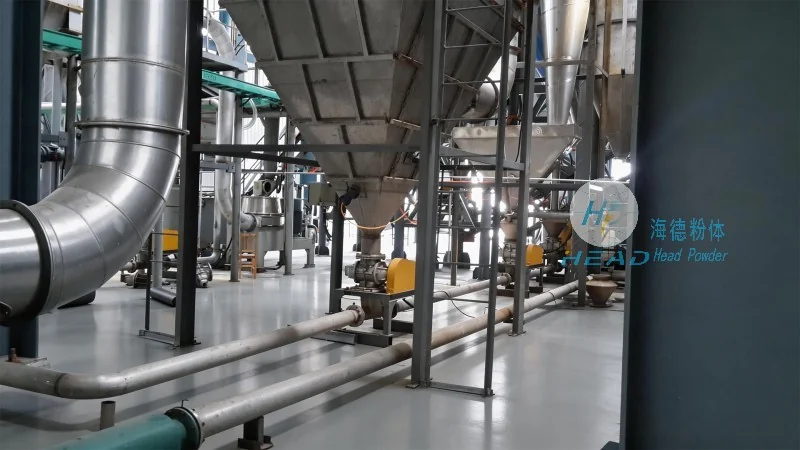
In summary, a kaolin powder conveying line is a sophisticated system designed to handle the specific properties of kaolin powder efficiently and safely. The design principles, including considerations for material degradation, dust control, and operational reliability, are critical to the success of such systems. Companies like Shandong HeadPowder Engineering Co., Ltd. play a vital role in providing tailored solutions that meet the demands of modern industrial applications, ensuring the smooth and safe transportation of kaolin powder from storage to processing or end-use.