

What is a Lightweight Cement Powder Conveying Line? What Are Its Design Principles?
A lightweight cement powder conveying line is a specialized system engineered to transport lightweight cement powders efficiently and reliably. These systems are crucial in industrial applications where the handling of fine, low-density materials like lightweight cement is required. The design of such lines focuses on optimizing material flow, minimizing energy consumption, and ensuring consistent performance under various operational conditions. Shandong HeadPowder Engineering Co., Ltd., a leading manufacturer in this field, specializes in developing and supplying high-quality lightweight cement powder conveying lines tailored to meet the diverse needs of industrial clients.
Key Components of a Lightweight Cement Powder Conveying Line
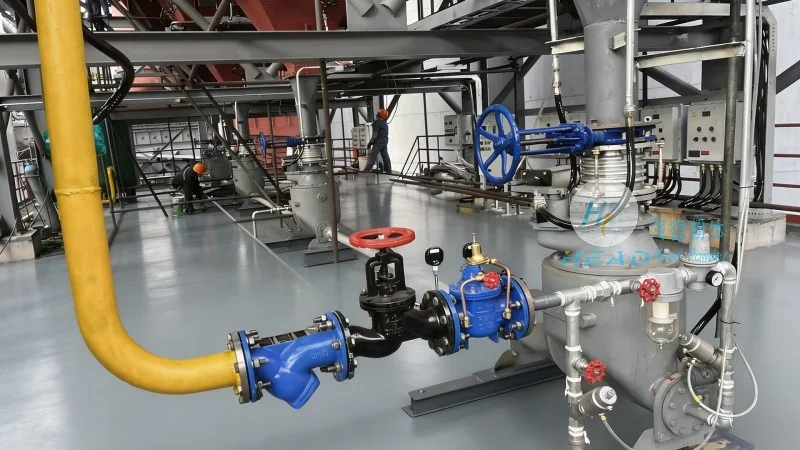
The core components of a lightweight cement powder conveying line typically include a hopper for material storage, a feeder to control the flow rate, a conveying device (such as a pneumatic or mechanical conveyor), and a dust collection system to maintain air quality and prevent material loss. Each component is carefully selected and integrated to ensure seamless operation and optimal performance. The hopper is designed to accommodate the bulk storage of lightweight cement, often with a sloped bottom to facilitate material discharge. The feeder regulates the flow of material from the hopper to the conveying device, preventing overloading and ensuring a consistent feed rate. The conveying device transports the material through the system, while the dust collection system captures and removes airborne particles, maintaining a clean and safe environment.
Design Principles for Efficient Material Handling
The design principles for a lightweight cement powder conveying line prioritize several key factors. First, the system must accommodate the low bulk density of lightweight cement, which requires specialized conveying mechanisms to prevent material settling or blockages. Second, energy efficiency is a critical consideration, as the system operates continuously and high energy consumption can increase operational costs. Third, the design must ensure minimal material degradation and loss, which is essential for maintaining product quality and reducing waste. Additionally, the system must be robust enough to handle the abrasive nature of cement powders and resistant to corrosion from moisture or chemicals.
Feeder Systems and Flow Control
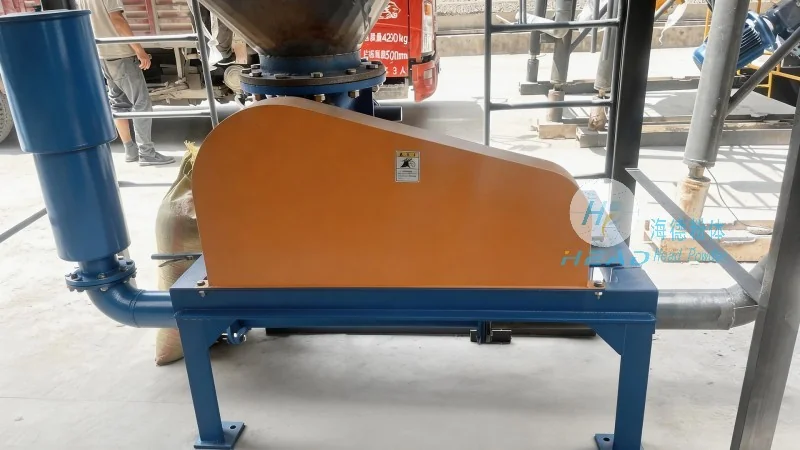
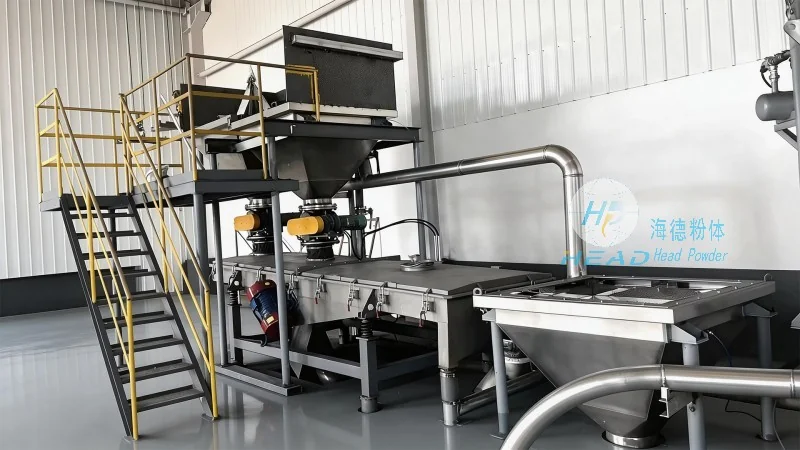
Feeder systems are a critical part of the conveying line, as they regulate the flow of lightweight cement from the hopper to the conveying device. Common feeder types include rotary valves, screw feeders, and vibratory feeders. The choice of feeder depends on the material's properties, such as its flowability and particle size distribution. Rotary valves are often used for their ability to provide a controlled, uniform flow, while screw feeders are suitable for materials with higher flowability. Vibratory feeders are effective for handling cohesive or sticky materials, ensuring consistent discharge. Proper flow control is essential to prevent overloading the conveyor and to maintain a consistent material flow rate, which is vital for downstream processing and product quality.
Conveying Technologies for Lightweight Materials
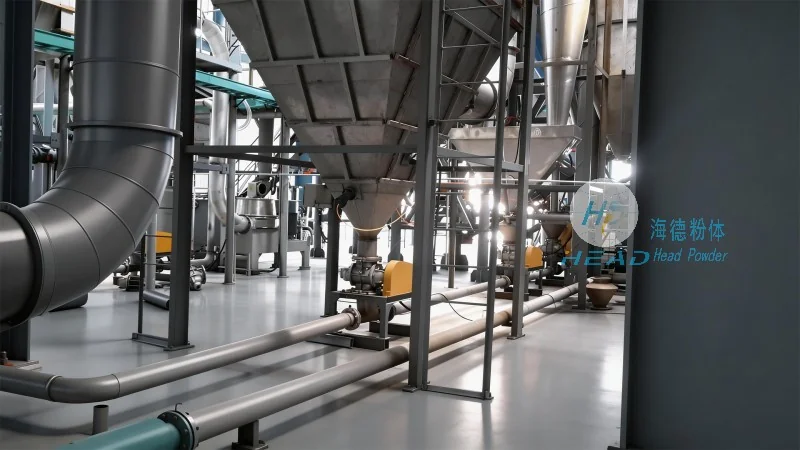
For lightweight cement powders, pneumatic conveying is often preferred due to its ability to handle fine, low-density materials effectively. Pneumatic systems use air to transport the material through a pipeline, reducing the risk of material degradation and ensuring a clean, dust-free operation. The system typically includes a blower or compressor to generate the necessary air pressure, a pipeline network to guide the material, and a receiver to collect the material at the destination. Mechanical conveyors, such as belt or chain conveyors, may also be used for horizontal or inclined transport, especially when the material is more cohesive or requires higher transport speeds. These systems are often used in combination with pneumatic conveying for complex material handling applications.
Dust Collection and Air Filtration
Due to the fine nature of lightweight cement, dust generation is a common issue during conveying. Therefore, an effective dust collection and air filtration system is integral to the design. These systems typically include cyclone separators, baghouse filters, or cartridge filters to capture and remove airborne particles. The collected dust is then returned to the hopper or disposed of appropriately, ensuring compliance with environmental regulations and maintaining a safe working environment. The dust collection system is designed to handle the high volume of air and fine particles generated by the conveying process, ensuring that the air discharged from the system is clean and free from harmful particulates.
System Integration and Control
The integration of all components into a cohesive system is crucial for the reliable operation of a lightweight cement powder conveying line. Modern systems often incorporate advanced control systems, such as PLCs (Programmable Logic Controllers), to monitor and regulate the flow rate, pressure, and other parameters. This allows for real-time adjustments to optimize performance and prevent issues like overloading or material blockages. The control system also provides data for maintenance scheduling and performance analysis, ensuring the line operates at peak efficiency. Sensors and indicators are used to monitor key parameters, such as pressure, temperature, and material level, providing early warnings of potential problems and enabling proactive maintenance.
Applications and Industries
Lightweight cement powder conveying lines are widely used in various industries, including construction, manufacturing, and mining. In the construction industry, they are used to transport lightweight cement for applications like wall insulation, lightweight concrete production, and decorative finishes. In manufacturing, they are employed in the production of lightweight building materials, such as aerated concrete blocks and insulation panels. The versatility of these systems makes them suitable for a wide range of applications where efficient handling of fine, low-density materials is required. Industries that benefit from these systems include cement manufacturers, construction material suppliers, and industrial plants that produce lightweight building components.
Advantages of Using a Lightweight Cement Powder Conveying Line
Implementing a lightweight cement powder conveying line offers several advantages. First, it improves operational efficiency by reducing labor costs and minimizing material loss. Second, it enhances safety by controlling dust and preventing material spills. Third, it increases product quality by ensuring consistent material flow and preventing degradation. Finally, it reduces environmental impact by minimizing dust emissions and optimizing energy use. These advantages make the investment in a high-quality conveying line a worthwhile decision for any industrial operation that handles lightweight cement powders.
Conclusion
A lightweight cement powder conveying line is a sophisticated system designed to handle lightweight cement efficiently and reliably. The design principles, components, and technologies used in these systems are tailored to the unique properties of lightweight cement, ensuring optimal performance and minimal operational issues. By understanding the key aspects of such systems, industries can make informed decisions about implementing these lines to improve their material handling processes and overall productivity. Shandong HeadPowder Engineering Co., Ltd. continues to lead in the development of advanced conveying solutions, providing industrial clients with the tools they need to achieve efficiency, safety, and quality in their operations.