

Common Iron Ore Powder Conveying Methods: A Comparison of Their Advantages and Disadvantages
When it comes to transporting iron ore powder, selecting the right conveying method is crucial for efficiency, cost-effectiveness, and operational safety. Various technologies are available, each with distinct characteristics that make them suitable for different applications. This article provides a detailed comparison of common iron ore powder conveying methods, highlighting their advantages and disadvantages to help industrial operators make informed decisions.
Overview of Key Conveying Methods
Before diving into the specifics, it's essential to understand the primary types of iron ore powder conveying systems. The most widely used methods include pneumatic conveying, belt conveyor systems, screw conveyors, and bucket elevators. Each method operates on different principles and is suited to varying production scales and material properties.
Pneumatic Conveying Systems
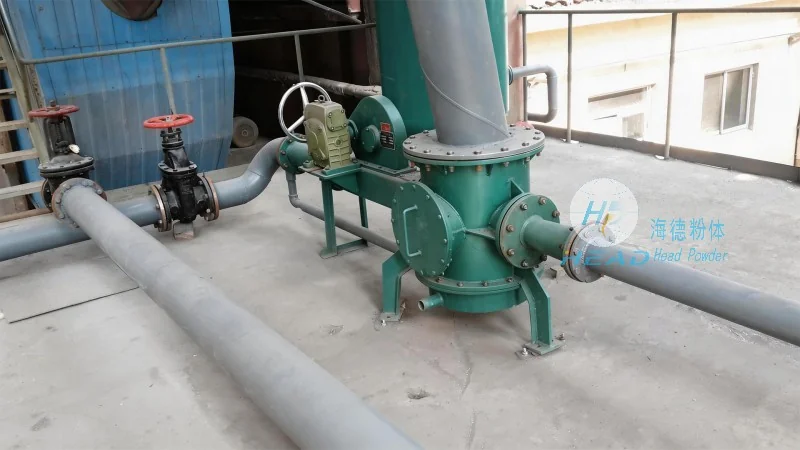
Pneumatic conveying, also known as air conveying, uses compressed air to transport iron ore powder through a pipeline. This method is ideal for handling fine powders and can be either positive or negative pressure. Positive pressure systems push material through the pipeline using air, while negative pressure systems draw material in using vacuum. The primary advantages of pneumatic conveying include high flexibility, the ability to transport materials over long distances, and minimal material degradation. However, it requires significant energy input and can be prone to system blockages if the material is too abrasive or has high moisture content. The equipment, including air compressors and filter systems, also adds to the initial and operational costs.
Belt Conveyor Systems
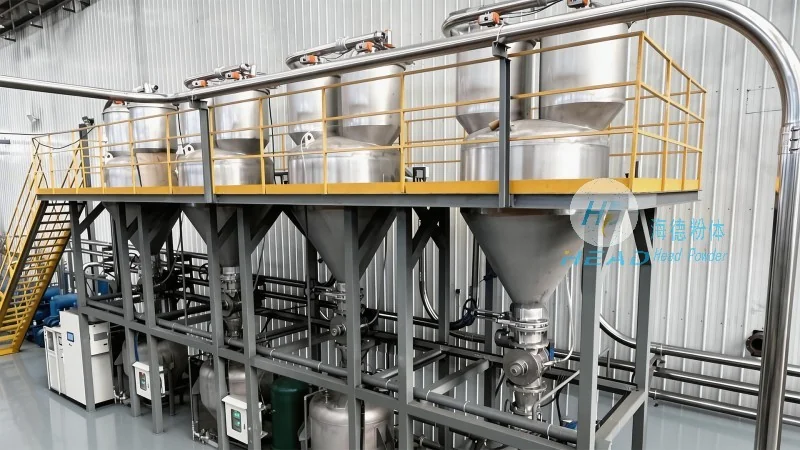
Belt conveyors are one of the most common and reliable methods for transporting bulk materials, including iron ore powder. They consist of a continuous belt that moves over rollers or pulleys, carrying the material from one point to another. Belt conveyors are known for their high capacity, durability, and low maintenance requirements. They are particularly effective for horizontal or slightly inclined transport over long distances. The main advantages include low operating costs, high throughput, and the ability to handle large volumes of material. However, they have limitations in terms of vertical lift and are less suitable for fine powders that may cause belt wear or slip. Additionally, the setup requires significant space and infrastructure, which can increase initial investment.
Screw Conveyors
Screw conveyors, also called auger conveyors, use a rotating screw to move iron ore powder along a trough. This method is well-suited for handling dry, free-flowing powders and is commonly used in processing plants for short to medium distance transport. Screw conveyors offer advantages such as compact design, low power consumption, and the ability to operate in vertical or horizontal configurations. They are also relatively simple to install and maintain. The disadvantages include limitations in material handling capacity for very fine powders, potential for material degradation due to friction, and the risk of clogging if the material is too cohesive or contains foreign objects. Additionally, the screw and trough may require regular cleaning to prevent material buildup.
Bucket Elevators
Bucket elevators are vertical or inclined conveyors that use a chain or belt with attached buckets to lift iron ore powder. They are particularly effective for vertical transport and can handle materials with high moisture content or abrasive properties. The primary advantages of bucket elevators include high vertical lifting capacity, minimal material spillage, and the ability to transport materials in a closed system, which helps maintain material integrity and reduces dust emissions. However, they have higher initial costs compared to other methods and require more maintenance due to the moving parts. The system is also less flexible for horizontal transport and may not be suitable for very fine powders that could cause bucket wear or blockage.
Comparative Analysis and Selection Criteria
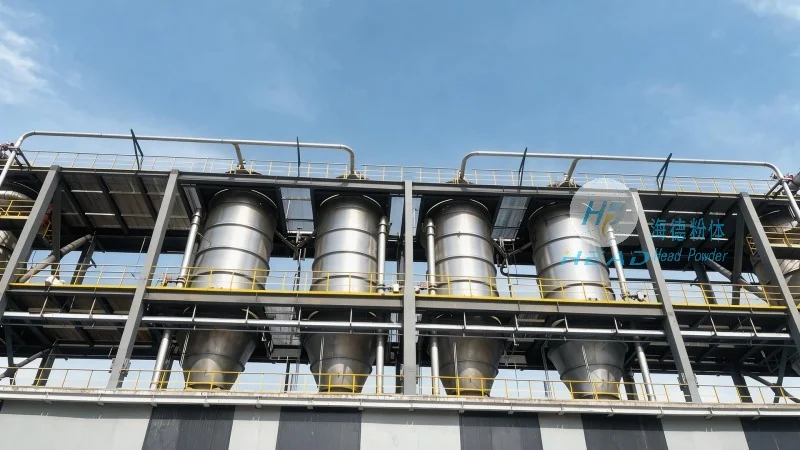
When choosing a conveying method for iron ore powder, several factors must be considered. The first is the material's properties, such as particle size, moisture content, and abrasiveness. Fine powders may require pneumatic or belt conveyors with specialized components, while coarse materials might be better suited for screw or bucket elevators. The second factor is the distance and layout of the transport route. Long horizontal distances are often handled by belt conveyors, while vertical lifts are better addressed by bucket elevators. The third consideration is the production capacity and throughput requirements. High-volume operations may benefit from pneumatic or belt conveyor systems, whereas low-volume, short-distance transport can use screw conveyors. Finally, the budget and available space are critical. Pneumatic systems offer flexibility but have higher energy costs, while belt conveyors provide low operating costs but require more space.
Conclusion
Each iron ore powder conveying method has its own set of advantages and disadvantages, making the selection process dependent on specific operational needs. Pneumatic conveying excels in flexibility and long-distance transport but demands higher energy input. Belt conveyors offer high capacity and low maintenance but require significant space. Screw conveyors provide compactness and low power use but have limitations with fine powders. Bucket elevators are ideal for vertical transport with minimal spillage but involve higher costs and maintenance. By carefully evaluating material characteristics, transport requirements, and budget constraints, industrial operators can choose the most suitable conveying system to ensure efficient and reliable iron ore powder handling. Shandong HeadPowder Engineering Co., Ltd. specializes in providing tailored conveying solutions that meet these diverse needs, leveraging expertise in material handling technology to optimize industrial processes.