

Common Chromium Oxide Transport Methods: A Comparison of Advantages and Disadvantages
When it comes to transporting chromium oxide, selecting the right method is crucial for ensuring efficiency, safety, and cost-effectiveness. Various transport methods are available, each with its own set of advantages and disadvantages. This article provides a detailed comparison of common chromium oxide transport methods, helping you make an informed decision based on your specific operational needs.
Overview of Chromium Oxide Transport Methods
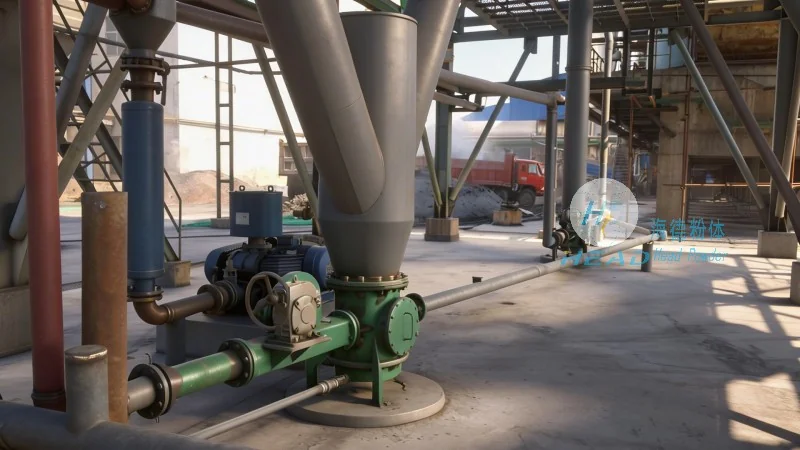
Chromium oxide, a widely used pigment and catalyst, requires careful handling during transportation due to its chemical properties and potential hazards. The choice of transport method depends on factors such as material quantity, distance, environmental considerations, and operational constraints. Common methods include bulk handling via pipelines, vacuum systems, and pneumatic conveying, each with distinct characteristics.
Pipeline Transport: Advantages and Disadvantages
Pipeline transport involves moving chromium oxide through a closed system of pipes, often under pressure or gravity. This method is highly efficient for large-scale, continuous operations. One of the key advantages is its ability to handle high volumes with minimal labor, reducing the risk of human error and exposure. Additionally, pipelines can be designed to minimize material degradation and contamination, preserving the quality of the chromium oxide.
However, pipeline transport has notable disadvantages. The initial investment in infrastructure, including pipe installation, valves, and pumps, can be substantial. Maintenance costs are also higher due to the need for regular inspections and repairs to prevent leaks or blockages. Furthermore, pipeline systems are less flexible in terms of changing routes or adjusting flow rates, which may limit their applicability in dynamic operational environments.
Vacuum Transport: Advantages and Disadvantages
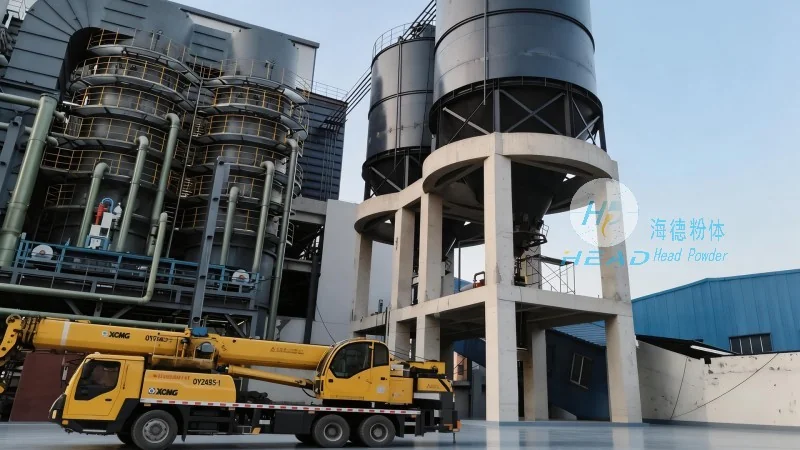
Vacuum transport utilizes a vacuum system to draw chromium oxide from a source and deliver it to a destination. This method is particularly effective for transporting materials over moderate distances, especially when the material is prone to dust or requires a controlled environment. The primary advantage is its ability to handle fine powders without the need for high-pressure air, reducing the risk of material degradation and dust dispersion.
Despite its benefits, vacuum transport has several drawbacks. The system requires significant energy input to maintain the vacuum, leading to higher operational costs. Additionally, the vacuum pump and associated equipment can be complex and prone to breakdowns, requiring specialized maintenance. Another limitation is the maximum distance over which effective transport can be achieved, as the vacuum pressure diminishes with increased distance.
Pneumatic Conveying: Advantages and Disadvantages
Pneumatic conveying uses compressed air to transport chromium oxide through a pipeline. This method is versatile and can handle both fine and coarse powders, making it suitable for a wide range of applications. One of the main advantages is its flexibility in terms of route changes and flow rate adjustments. It also allows for the integration of material handling equipment, such as hoppers and silos, into the transport system.
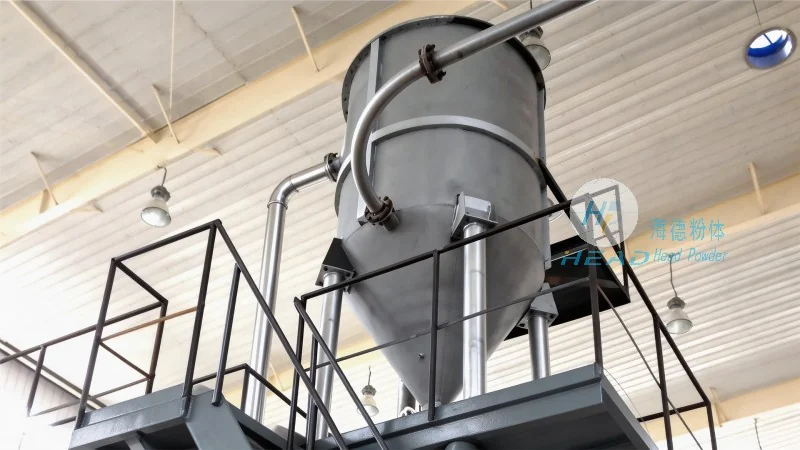
However, pneumatic conveying has its own set of challenges. The method is energy-intensive, as it requires continuous air flow to move the material. This can lead to higher operational costs, especially for long-distance or high-volume transport. Additionally, the system is susceptible to material degradation due to friction and air exposure, which may affect the quality of the chromium oxide. Furthermore, the risk of dust explosions in pneumatic systems necessitates careful design and safety measures.
Choosing the Right Transport Method for Chromium Oxide
When selecting a transport method for chromium oxide, it is essential to consider the specific characteristics of the material and the operational requirements. For large-scale, continuous operations over short to medium distances, pipeline transport may be the most cost-effective option. For applications requiring flexibility and the handling of fine powders, pneumatic conveying could be more suitable. Vacuum transport is ideal for moderate distances and materials that are sensitive to air exposure.
It is also important to evaluate the long-term costs, including installation, maintenance, and operational expenses, as these factors can significantly impact the overall efficiency of the transport system. Consulting with industry experts, such as Shandong HeadPowder Engineering Co., Ltd., can provide valuable insights into the most appropriate transport method for your specific needs, ensuring optimal performance and safety.