

What is a Potassium Hydroxide Powder Handling System Equipment? And What Are Its Design Principles?
What is a Potassium Hydroxide Powder Handling System Equipment? And What Are Its Design Principles?
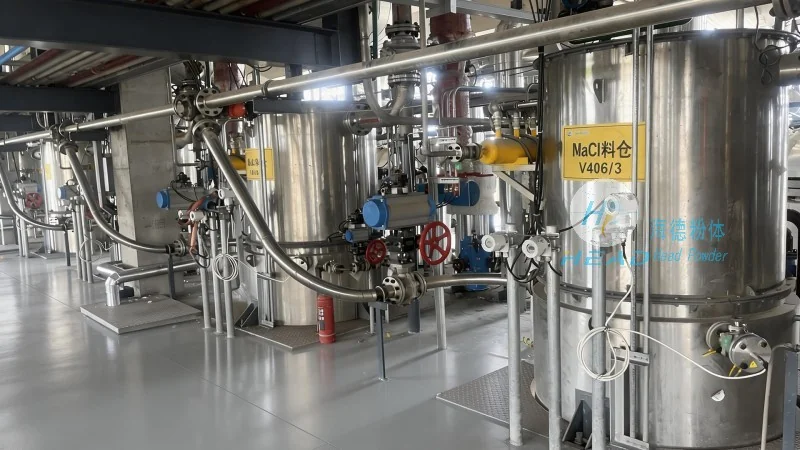
Introduction to Potassium Hydroxide Powder Handling Systems
Potassium hydroxide (KOH), a highly caustic and reactive chemical, is widely used in various industrial applications such as battery manufacturing, chemical synthesis, and paper production. Handling this material in powder form requires specialized equipment to ensure safety, efficiency, and compliance with industrial standards. This article explores the components and design principles of a potassium hydroxide powder handling system equipment, highlighting the key factors that make such systems effective for processing this critical chemical.
Key Components of the Potassium Hydroxide Powder Handling System
The core of a potassium hydroxide powder handling system typically includes several critical components that work in tandem to ensure safe and efficient material transport. These components are designed to address the unique challenges posed by KOH's corrosive nature and its tendency to form clumps or create static electricity. The primary components include:
1. **Hopper and Feeder**: The system starts with a hopper, which stores the bulk potassium hydroxide powder. A feeder, often a rotary valve or a screw feeder, regulates the flow of powder from the hopper into the transport line. This component is crucial for controlling the feed rate and preventing overfilling, which could lead to blockages or equipment damage.
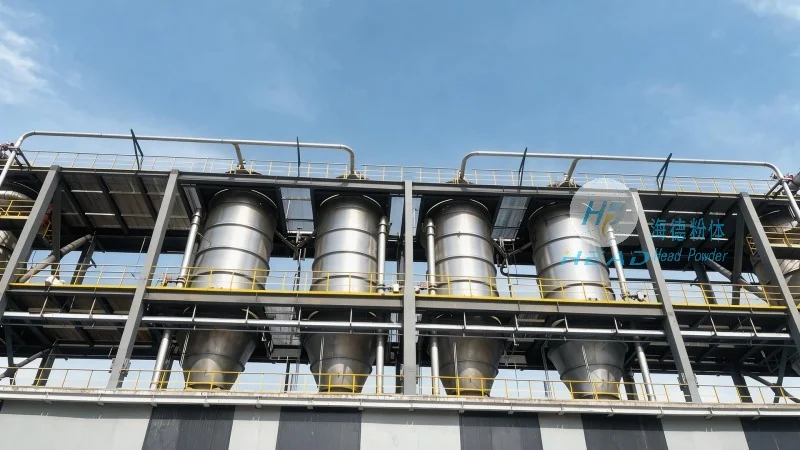
2. **Conveying Equipment**: Depending on the system design, the powder is conveyed using methods like pneumatic (air-assisted) transport, screw conveyors, or vacuum systems. For KOH, pneumatic conveying is often preferred because it provides a closed system that minimizes exposure to the environment and reduces the risk of dust inhalation. The conveying equipment is typically made from corrosion-resistant materials such as stainless steel or specialized plastics to withstand the chemical's effects.
3. **Sealing and Isolation Valves**: To prevent leaks and maintain a safe environment, the system incorporates multiple sealing and isolation valves. These valves are designed with double-seal mechanisms or mechanical seals to ensure that no powder or gas escapes from the system. They are strategically placed at critical points like the hopper discharge, conveyor inlets, and discharge points to control the flow and isolate sections for maintenance.
4. **Electrostatic Control Measures**: Since potassium hydroxide powder can generate static electricity during handling, the system includes grounding and conductive materials to dissipate static charges. This is essential for preventing sparks that could ignite dust explosions, a major safety hazard in powder handling operations.
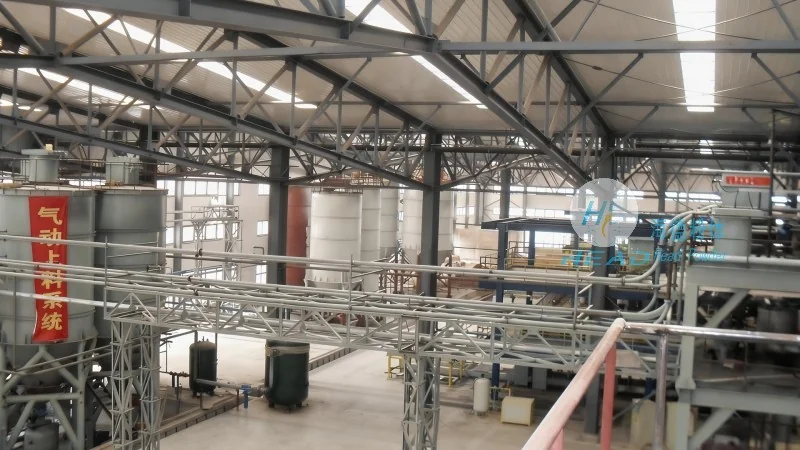
5. **Control and Monitoring Systems**: Modern potassium hydroxide powder handling systems are equipped with automated control panels that monitor parameters such as flow rate, pressure, and temperature. These systems can detect blockages, overloads, or abnormal conditions and trigger alarms or shutdowns to prevent equipment damage or accidents.
Design Principles for Safety and Efficiency
The design of a potassium hydroxide powder handling system is guided by several key principles aimed at maximizing safety, minimizing downtime, and ensuring operational efficiency. These principles are tailored to the specific properties of KOH and the requirements of industrial applications:
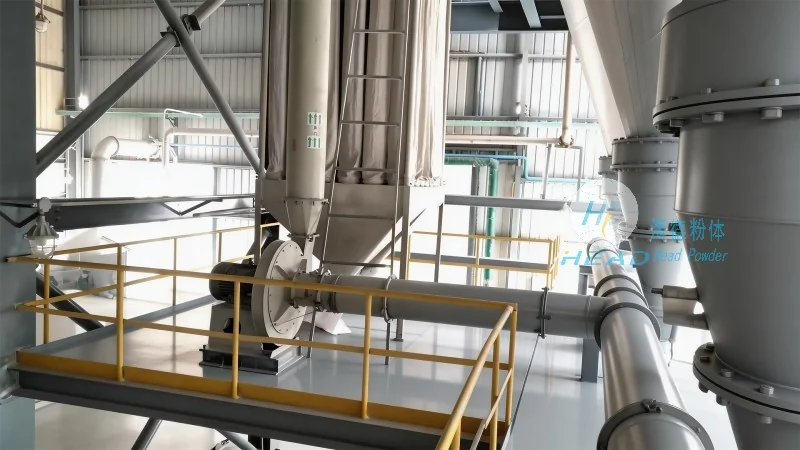
1. **Corrosion Resistance**: Given KOH's corrosive nature, all components that come into direct contact with the material are made from materials that can withstand chemical attack. Stainless steel grades like 316 or 316L are commonly used for metal parts, while PTFE (polytetrafluoroethylene) or other fluoropolymers are used for seals and liners. This ensures the equipment's longevity and reduces maintenance costs.
2. **Airtight and Leak-Proof Design**: The entire system is designed to be airtight and leak-proof to prevent the release of dust or fumes. Double-seal mechanisms and gasketed connections are used to maintain a secure seal, even under high pressure or temperature variations. This is critical for both safety (avoiding exposure to hazardous fumes) and environmental compliance.
3. **Prevention of Blockages and Agglomeration**: KOH powder can agglomerate or form clumps, which can cause blockages in the conveying system. The design incorporates features such as agitators or vibrators in the hopper to break up clumps and ensure a consistent flow. Additionally, the conveyor's design (e.g., spiral or auger) is optimized to prevent material buildup and ensure smooth transport.