

What is Small Bag Weighing and Feeding Material Conveying? What are the Design Principles?
Small bag weighing and feeding material conveying systems are specialized industrial equipment designed to handle, weigh, and transport bulk materials from small bags into processing lines. These systems are widely used in various industries, including chemical, food, and pharmaceutical manufacturing, where precise material handling is critical for quality control and operational efficiency. The core function of such systems is to ensure accurate measurement and controlled feeding of materials from bagged sources, which is essential for maintaining consistent product quality and optimizing production processes.
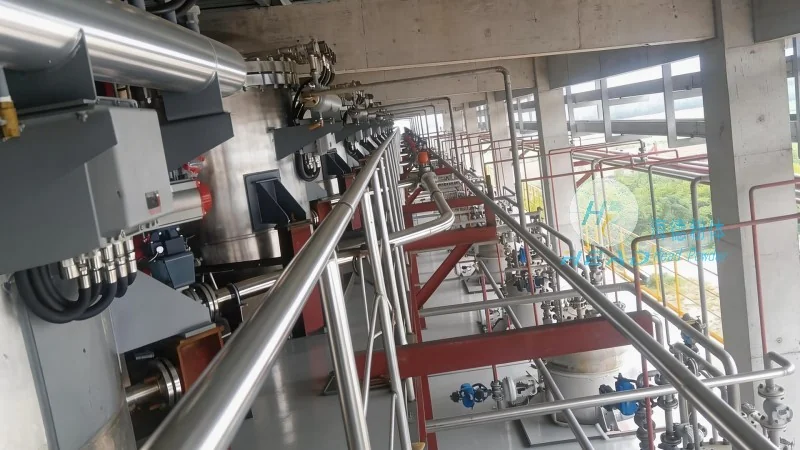
Key Components and Design Principles of Small Bag Weighing and Feeding Systems
The design of small bag weighing and feeding systems involves several critical components that work in tandem to achieve precise material handling. The primary components include a bag opening mechanism, a weighing scale, a feeding hopper, and a conveyor system. The bag opening mechanism is responsible for safely and efficiently opening the bag to release the material. This is often achieved through mechanical or pneumatic systems that can handle different bag sizes and materials without damaging the contents. The weighing scale, typically a load cell-based system, provides accurate weight measurement of the material as it is discharged from the bag. This scale is integrated with the feeding hopper, which collects the material and feeds it to the conveyor system. The conveyor system then transports the material to the next stage of the production process, such as mixing or processing.
How Small Bag Weighing and Feeding Systems Work
The operation of a small bag weighing and feeding system typically follows a sequence of steps. First, the bag is placed on the weighing platform or in the bag opening mechanism. The system then initiates the bag opening process, which may involve cutting or tearing the bag to release the material. As the material flows from the bag into the feeding hopper, the load cells in the scale measure the weight in real-time. The system uses this weight data to control the feeding rate, ensuring that the correct amount of material is dispensed. Once the target weight is reached, the system stops the feeding process and signals the next step in the production line. The conveyor system then transports the material to the processing equipment, where it is further handled or processed.
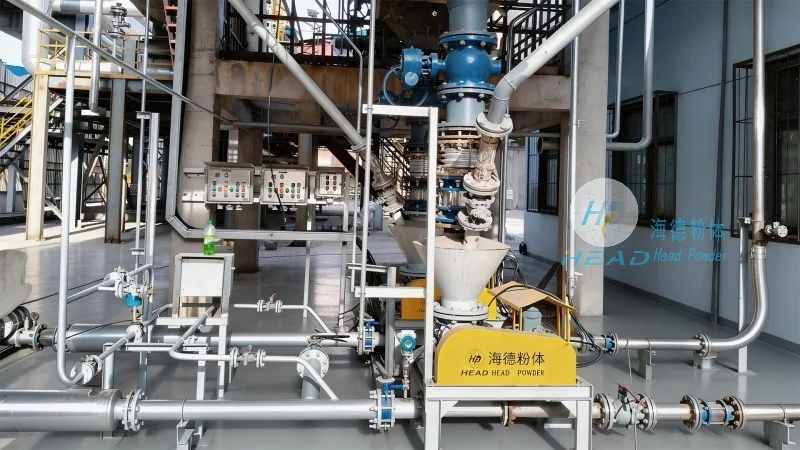
Advantages of Using Small Bag Weighing and Feeding Systems
Implementing small bag weighing and feeding systems offers several advantages for industrial operations. One of the key benefits is improved accuracy in material measurement. Unlike manual weighing methods, these systems provide precise and consistent weight measurements, reducing the risk of over or under feeding. This accuracy is crucial for maintaining product consistency and meeting regulatory requirements. Another advantage is increased efficiency and productivity. Automated systems can handle multiple bags simultaneously, reducing the time and labor required for material handling. This leads to faster production cycles and higher throughput. Additionally, these systems enhance safety by minimizing the need for manual handling of heavy or hazardous materials, reducing the risk of accidents and injuries in the workplace.
Applications and Industries That Benefit from Small Bag Weighing and Feeding Systems
Small bag weighing and feeding systems are versatile and find applications in a wide range of industries. In the chemical industry, they are used for handling raw materials such as powders and granules, ensuring precise dosing for chemical reactions and formulations. In the food and beverage industry, these systems are essential for processing ingredients like flour, sugar, and spices, maintaining the quality and safety of food products. The pharmaceutical industry also relies on such systems for handling active pharmaceutical ingredients (APIs) and excipients, where precision is critical for drug formulation and compliance with regulatory standards. Other industries, including agriculture, mining, and construction, also benefit from these systems for handling bulk materials like fertilizers, ores, and aggregates.
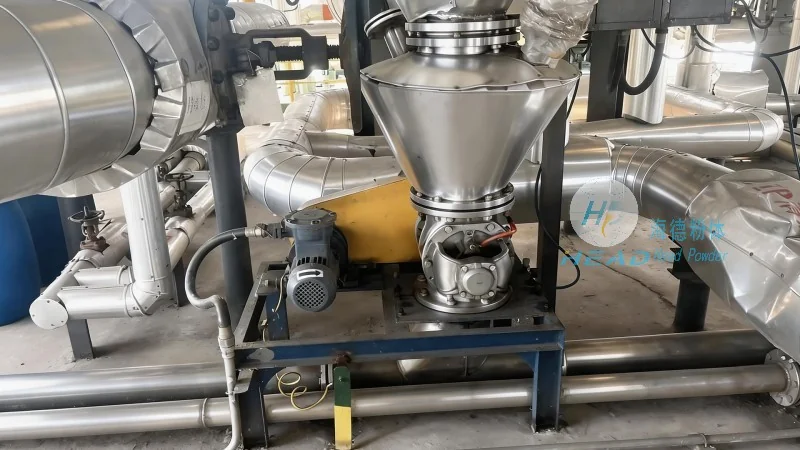
Customization and Integration with Existing Production Lines
Small bag weighing and feeding systems can be customized to meet the specific needs of different applications. Manufacturers often offer options for different bag sizes, material types, and weighing capacities to accommodate various production requirements. Additionally, these systems can be integrated with existing production lines, such as mixing, blending, or processing equipment, to create a seamless material handling process. The integration may involve connecting the conveyor system to the next stage of the production line, ensuring that the material is transferred efficiently without interruptions. Customization options may also include features like automatic bag emptying, bag detection sensors, and data logging capabilities to enhance operational control and monitoring.
Maintenance and Operational Considerations for Small Bag Weighing and Feeding Systems
Proper maintenance is essential to ensure the long-term performance and reliability of small bag weighing and feeding systems. Regular maintenance tasks include cleaning the bag opening mechanism and feeding hopper to prevent material buildup and clogging. The weighing scale should be calibrated periodically to maintain accuracy, as even minor calibration errors can affect the measurement results. Additionally, the conveyor system and other mechanical components should be inspected regularly for wear and tear, and lubricated as needed to ensure smooth operation. Operational considerations also include proper training of personnel on the system's operation and safety procedures. Operators should be trained to handle the equipment correctly, avoid overloading the scale, and respond to any system alerts or malfunctions promptly. By following proper maintenance and operational guidelines, users can maximize the lifespan and efficiency of their small bag weighing and feeding systems.