

What is Potato Material Handling? What are the Design Principles?
Understanding potato material handling is crucial for optimizing agricultural operations, particularly in the processing and transportation of this staple crop. This article explores the fundamental aspects of potato material handling systems, focusing on their design principles and practical applications.
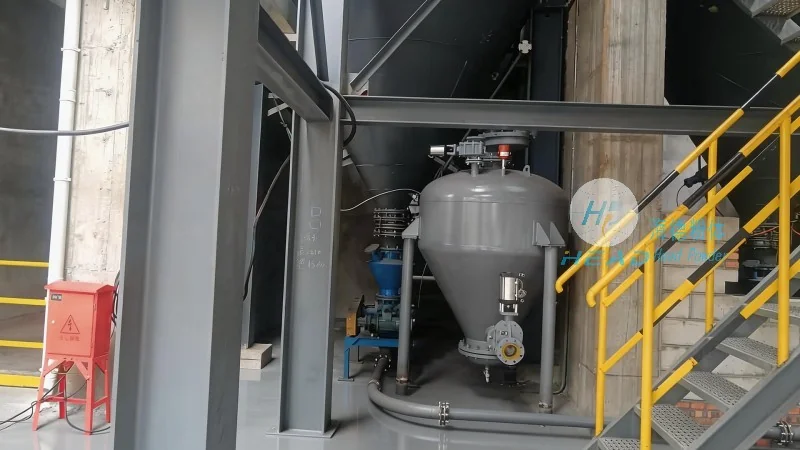
What is Potato Material Handling?
Potato material handling refers to the processes and technologies used to move, store, and manage potatoes from the field to processing facilities or storage areas. It encompasses a range of equipment and methods designed to ensure efficient and safe handling of potatoes, which are delicate and prone to damage if not handled properly. The goal of potato material handling is to minimize losses, maintain product quality, and enhance operational efficiency in the agricultural and food processing industries.
Key Design Principles for Potato Material Handling Systems
The design of potato material handling systems follows several critical principles to ensure optimal performance and durability. These principles are tailored to the unique characteristics of potatoes, such as their size, shape, and susceptibility to bruising or damage. The primary design considerations include:
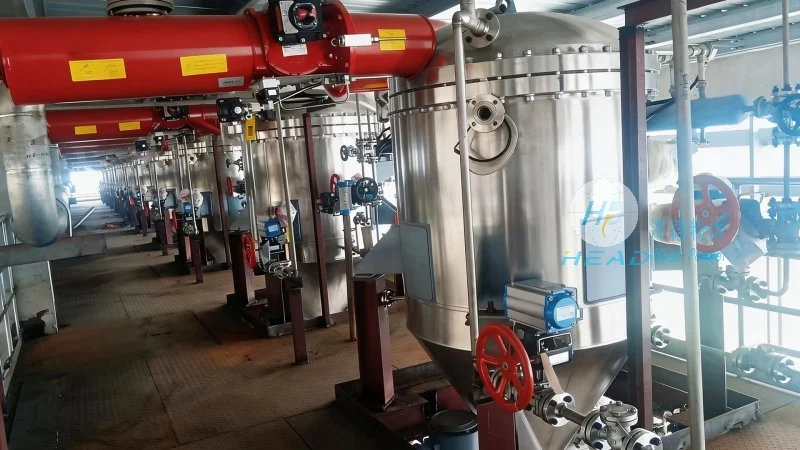
- Equipment Durability and Gentle Handling: Potato handling equipment must be constructed to withstand the rigors of continuous operation while minimizing physical stress on the tubers. This often involves the use of soft, non-abrasive surfaces and gentle conveying mechanisms to prevent bruising and reduce post-harvest losses.
- Efficient Material Flow: Designing systems that facilitate smooth and unobstructed flow of potatoes is essential. This includes proper slope angles, appropriate conveyor speeds, and well-designed chutes or elevators to prevent jamming and ensure consistent throughput.
- Hygiene and Sanitation: Maintaining high standards of cleanliness is vital in potato processing to prevent contamination and preserve product quality. Design elements such as easy-to-clean surfaces, removable components, and integrated cleaning systems are incorporated into material handling equipment.
- Modularity and Scalability: Modern potato material handling systems are often designed with modular components that can be easily adjusted or expanded to accommodate varying production volumes or changing operational needs. This flexibility allows for cost-effective scaling of operations as demand fluctuates.
Common Components and Technologies in Potato Material Handling
Several key components and technologies are integral to effective potato material handling. These include:
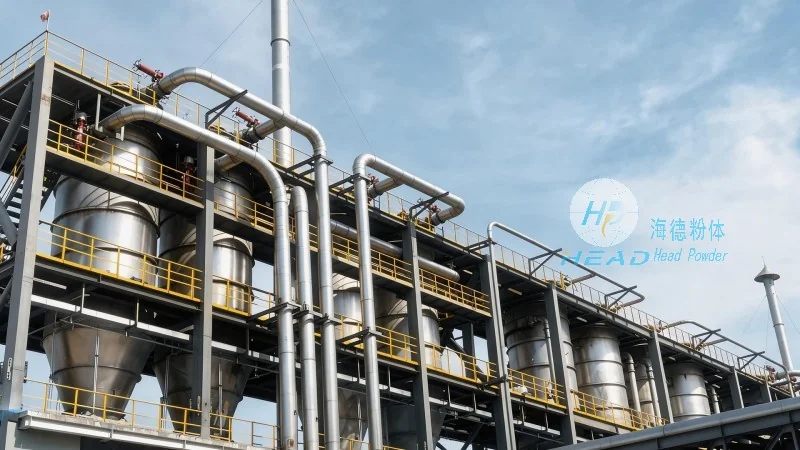
- Conveyors: Various types of conveyors, such as belt conveyors, chain conveyors, and screw conveyors, are used to transport potatoes horizontally or vertically. Belt conveyors are particularly popular due to their gentle handling and ability to handle large volumes.
- Elevators: Vertical elevators, including bucket elevators and chain and flight elevators, are used to lift potatoes from lower to higher levels, such as from storage bins to processing lines.
- Sorting and Grading Equipment: Sorting machines, often equipped with optical sensors or mechanical detectors, are used to separate potatoes by size, shape, or quality. This helps in grading potatoes for different market segments or processing requirements.
- Storage Systems: Proper storage systems, such as bulk bins or silos, are designed to maintain potatoes in optimal conditions, reducing spoilage and extending shelf life.
Applications and Benefits of Advanced Potato Material Handling
Potato material handling systems are widely used in various stages of the potato supply chain. From on-farm harvesting and storage to processing plants and distribution centers, these systems play a critical role in ensuring the efficient movement of potatoes. The benefits of implementing advanced material handling solutions include:
- Reduced Post-Harvest Losses: By minimizing damage and spoilage during handling, material handling systems help preserve the quality and market value of potatoes.
- Increased Operational Efficiency: Streamlined material flow and automated processes lead to faster throughput and lower labor costs.
- Improved Product Quality: Gentle handling and proper storage conditions maintain the freshness and nutritional value of potatoes, enhancing consumer satisfaction.
- Enhanced Safety: Well-designed systems reduce the risk of accidents and injuries associated with manual handling of heavy or awkward loads.
Conclusion
Potato material handling is a vital component of modern agricultural and food processing operations. By adhering to key design principles and utilizing advanced technologies, companies can optimize their potato handling processes, reduce losses, and improve overall efficiency. The expertise of companies like Shandong HeadPowder Engineering Co., Ltd., based in China, plays a significant role in developing and implementing effective potato material handling solutions that meet the demands of the industry.