

What is Methylcellulose Material Handling? And What Are Its Design Principles?
Understanding Methylcellulose Material Handling and Its Design Principles
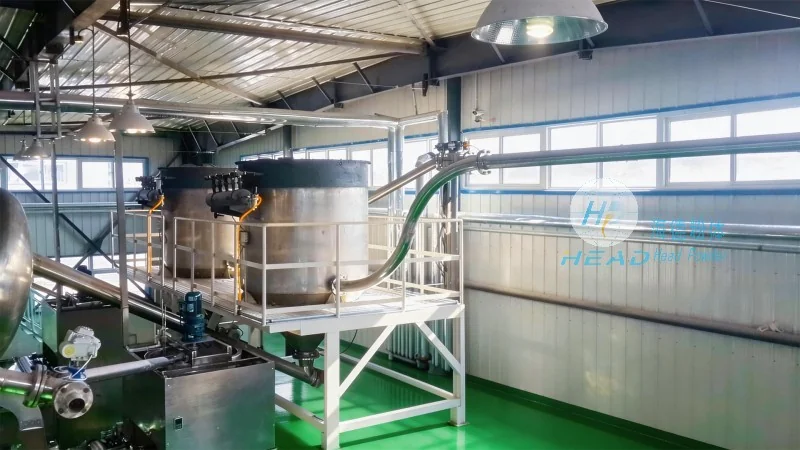
Introduction to Methylcellulose Material Handling
Methylcellulose material handling is a specialized approach to transporting and managing materials using methylcellulose as a key component in the process. This method is widely used in various industries due to its unique properties that enhance material flow and handling efficiency. The process involves the use of methylcellulose, a water-soluble polymer, to create a stable and consistent medium for transporting bulk materials. By leveraging the rheological properties of methylcellulose, this technique ensures smooth and controlled movement of materials, reducing friction and improving overall operational performance.
Key Components and Materials Used in Methylcellulose Material Handling
The primary component in methylcellulose material handling is methylcellulose itself, which is derived from cellulose through a chemical modification process. This polymer is characterized by its ability to form viscous solutions when dissolved in water, providing a stable environment for material transport. The concentration of methylcellulose in the solution is carefully controlled to achieve the desired viscosity and flow characteristics. Other auxiliary materials may be added to the system, such as surfactants or stabilizers, to enhance the performance of the material handling process. These components work together to ensure that the material remains suspended and transported efficiently without clogging or degradation.
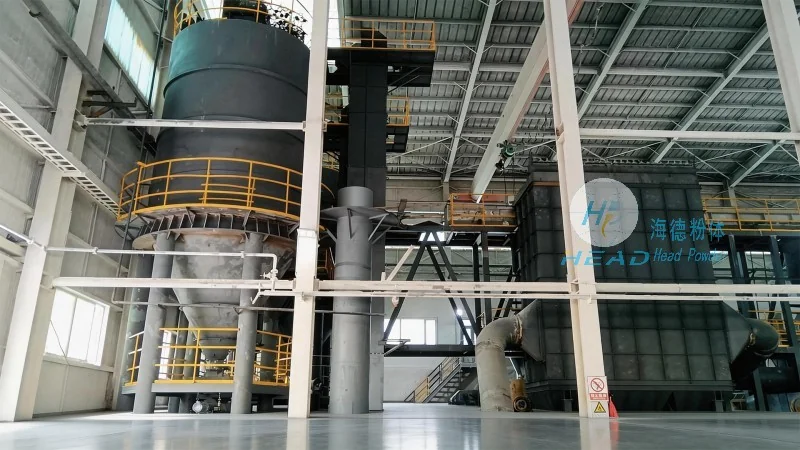
Design Principles of Methylcellulose Material Handling Systems
The design of methylcellulose material handling systems is based on several fundamental principles that ensure optimal performance and reliability. The first principle is the selection of appropriate equipment and components that are compatible with the methylcellulose solution. This includes pumps, pipelines, and storage tanks that can handle the viscous nature of the solution without causing excessive wear or damage. The second principle is the maintenance of consistent viscosity and temperature throughout the system. Temperature fluctuations can significantly affect the viscosity of methylcellulose solutions, leading to variations in material flow. Therefore, temperature control systems are often integrated into the design to maintain stable conditions. The third principle is the proper sizing and layout of the material handling infrastructure. This involves determining the appropriate pipe diameters, pump capacities, and flow rates to ensure that the system can handle the required material volume without bottlenecks or excessive energy consumption.
Applications and Industries Utilizing Methylcellulose Material Handling
Methylcellulose material handling is employed in a wide range of industries where the transport of bulk materials requires precision and control. In the pharmaceutical industry, for example, methylcellulose is used to handle powders and granules, ensuring that they are transported without segregation or degradation. The food industry also utilizes this method for transporting food ingredients, such as spices and flavorings, maintaining their quality and consistency. Additionally, the chemical and petrochemical industries benefit from methylcellulose material handling for transporting various powders and slurries, improving safety and efficiency in material transfer processes. The versatility of methylcellulose makes it suitable for handling a variety of materials, from fine powders to larger granules, making it a preferred choice in many industrial applications.
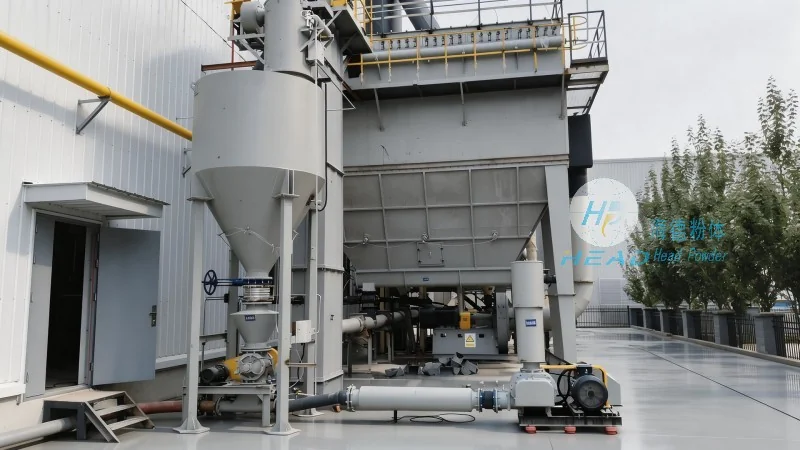
Advantages of Methylcellulose Material Handling
There are several advantages associated with methylcellulose material handling that make it an attractive option for many industries. One of the key advantages is the ability to handle materials that are difficult to transport using traditional methods. For example, cohesive or sticky materials can be easily managed with methylcellulose, as the polymer provides a lubricating effect that reduces friction and prevents material buildup. Another advantage is the improved control over material flow, which allows for precise dosing and distribution of materials. This is particularly important in processes where uniform material distribution is critical, such as in pharmaceutical manufacturing or food processing. Furthermore, methylcellulose material handling systems are generally more energy-efficient compared to other methods, as the viscous solution reduces the need for high-pressure pumps and minimizes energy losses. The environmental benefits are also notable, as the use of methylcellulose reduces the need for water or other solvents in the material handling process, contributing to a more sustainable operation.
Challenges and Considerations in Methylcellulose Material Handling
Despite its benefits, methylcellulose material handling also presents some challenges that need to be addressed. One of the main challenges is the cost associated with the methylcellulose solution and the equipment required for its use. The initial investment and ongoing maintenance costs can be significant, which may affect the overall economic viability of the system. Another challenge is the need for careful monitoring and control of the system to maintain consistent performance. Variations in temperature, concentration, or material properties can lead to changes in viscosity and flow, requiring regular adjustments to ensure optimal operation. Additionally, the disposal of the methylcellulose solution after use may pose environmental concerns, as it can be difficult to treat and recycle. These challenges highlight the importance of proper system design and maintenance to maximize the benefits of methylcellulose material handling.
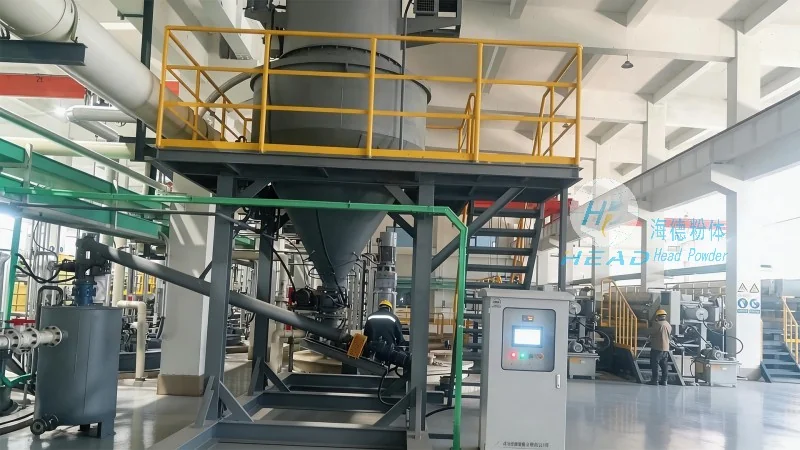
Conclusion and Future Outlook
Methylcellulose material handling is a sophisticated and effective method for transporting and managing materials, offering numerous advantages over traditional material handling techniques. By understanding the design principles and applications of this method, industries can optimize their material handling processes and improve overall operational efficiency. As technology advances, the use of methylcellulose in material handling is likely to become more widespread, with further innovations aimed at enhancing performance and reducing costs. The continued development of this technology will ensure that methylcellulose material handling remains a valuable solution for industries seeking reliable and efficient material transport solutions.
HeadPowder, a leading provider of material handling solutions, specializes in the design and implementation of methylcellulose material handling systems. With years of experience and expertise, HeadPowder offers tailored solutions to meet the specific needs of various industries. The company's commitment to quality and innovation ensures that clients receive reliable and efficient material handling systems that enhance their operational performance. HeadPowder's services include system design, installation, and maintenance, providing comprehensive support throughout the entire process. By partnering with HeadPowder, industries can leverage the benefits of methylcellulose material handling and achieve improved productivity and cost savings.