

What is a Sanding Powder Material Handling System? What are its Design Principles?
For manufacturers in the woodworking, furniture, and related industries, efficient material handling is crucial for maintaining production efficiency and product quality. One key component in this process is the sanding powder material handling system, which is often designed and manufactured by companies like Shandong HeadPowder Engineering Co., Ltd. This system is specifically designed to manage the transportation and processing of sanding powders—fine abrasive particles used in sanding and polishing operations. These systems are integral to production lines where surface finishing is required, such as in the manufacturing of wood products, metal parts, or composite materials. The primary goal of this system is to ensure that sanding powders are delivered to the sanding or polishing stations in a controlled and efficient manner, minimizing waste and maximizing operational efficiency.
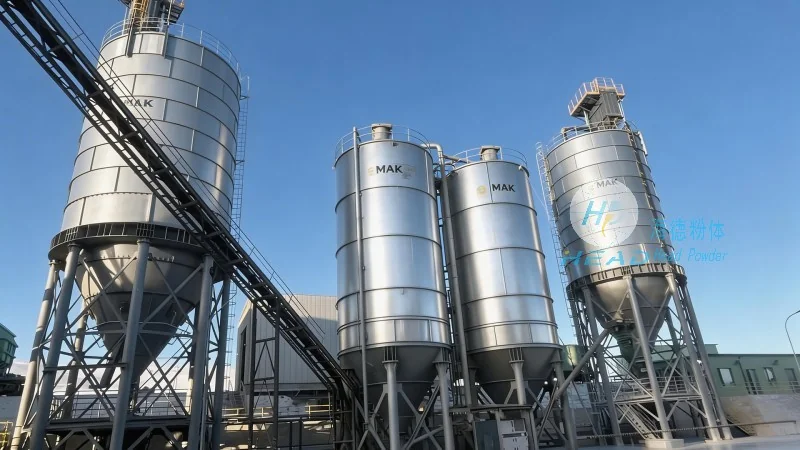
What is a Sanding Powder Material Handling System?
A sanding powder material handling system is a specialized equipment setup used to transport, store, and distribute sanding powders. These are essential for surface finishing in various manufacturing applications. The system's design focuses on delivering the abrasive particles to processing stations with precision, ensuring consistent results and reducing manual handling errors.
Key Components of a Sanding Powder Material Handling System
The design of a sanding powder material handling system typically involves several key components that work in concert to achieve optimal performance. These components may include:
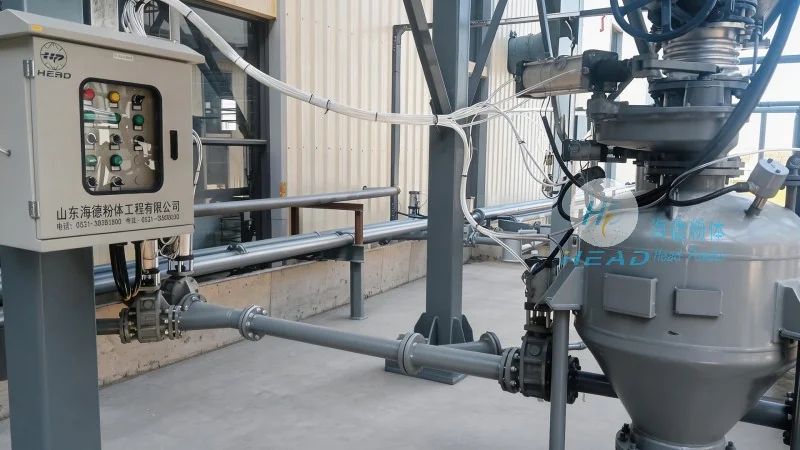
- Sanding Powder Hoppers or Bins: These containers are engineered to hold the sanding powders securely. They often feature airtight seals to prevent contamination from dust or moisture, which is critical for maintaining the powder's quality and consistency.
- Pneumatic Conveying Systems: Many systems utilize pneumatic conveying technology, where air pressure is used to move the powders through pipes. This method ensures a clean, efficient transfer process, minimizing the risk of material degradation.
- Vibratory Feeders: These devices regulate the flow of sanding powders from the hoppers into the conveying lines. By controlling the feed rate, they prevent overloading or underloading, ensuring a steady and uniform supply to downstream processes.
- Control Panels and Sensors: Modern systems are equipped with advanced control panels and sensors. These sensors monitor powder levels, flow rates, and detect any blockages or malfunctions, enabling real-time adjustments and proactive maintenance.
- Collection and Dust Control Systems: To maintain a safe and clean working environment, the system includes dust collection and air filtration components. This is vital for reducing health hazards and preventing product contamination from airborne particles.
Design Principles for Efficient Material Handling
The design of a sanding powder material handling system is guided by several core principles aimed at maximizing efficiency and reliability. These principles include:
1. Material Compatibility: The system must be tailored to handle the specific properties of the sanding powders, such as particle size, density, and moisture content. For instance, systems handling very fine powders may require specialized filters and conveyors to avoid clogging.
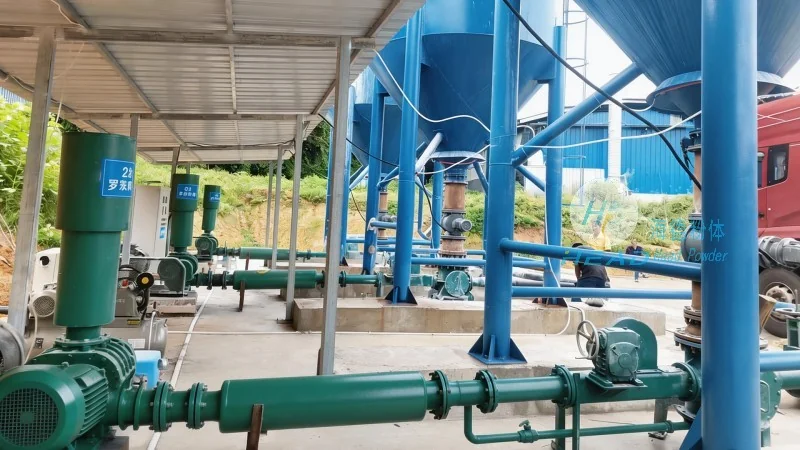
2. Flow Control and Uniformity: Ensuring consistent and controlled flow is essential. This involves selecting appropriate feeders and conveyors that can accommodate the material's characteristics without causing segregation or uneven distribution.
3. Dust Control and Safety: Effective dust management is a priority. The system should incorporate features like dust collection hoods and ventilation systems to minimize airborne particles and protect both equipment and personnel.
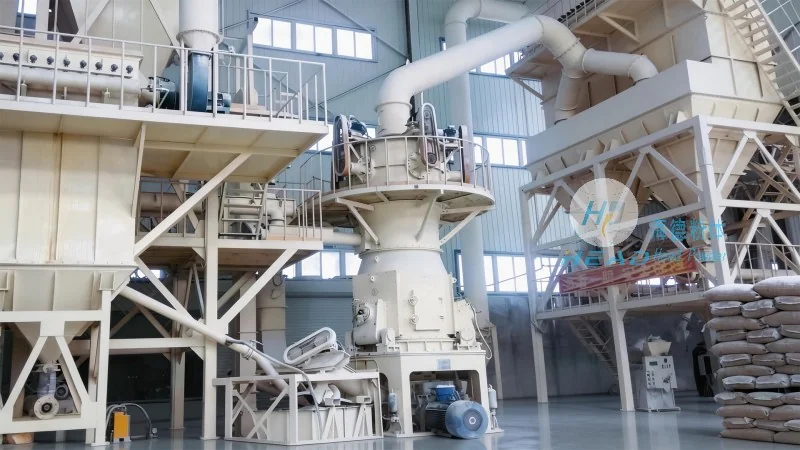
4. Scalability and Flexibility: The design should allow for easy expansion or modification. This flexibility ensures the system can adapt to changes in production volume or the introduction of new powder types without major overhauls.
5. Maintenance and Reliability: The system should be built for easy maintenance and minimal downtime. This includes using durable materials, easy-to-clean components, and features that facilitate quick troubleshooting and repairs.