

What is a Lightweight Aggregate Material Handling System? And What Are Its Design Principles?
Lightweight aggregate material handling systems are specialized equipment and processes designed to transport and manage lightweight aggregates, such as expanded clay, perlite, vermiculite, and other lightweight construction materials. These systems are crucial in various industries, including construction, manufacturing, and environmental remediation, where efficient handling of lightweight materials is essential for productivity and safety. The design of these systems focuses on optimizing material flow, minimizing energy consumption, and ensuring the integrity of the lightweight aggregates during transport.
Key Components of Lightweight Aggregate Material Handling Systems
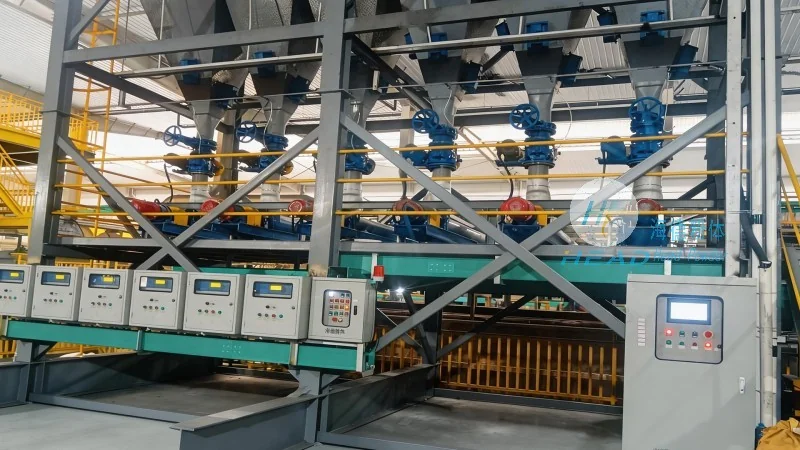
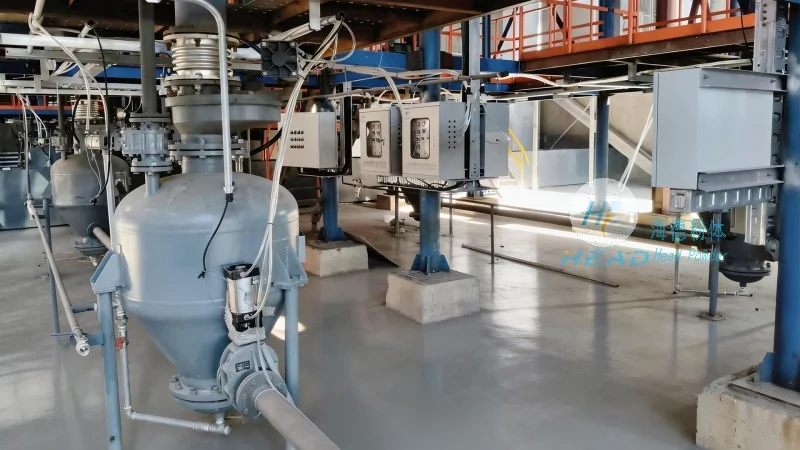
The core components of a lightweight aggregate material handling system typically include feeders, conveyors, storage silos, and discharge mechanisms. Feeders are used to regulate the flow of material from storage or processing areas, ensuring a consistent feed rate to the conveyor system. Conveyors, which can be belt, screw, or pneumatic, are selected based on the material characteristics and the required transport distance. Storage silos or hoppers are essential for storing large quantities of lightweight aggregates, providing a stable and controlled feed to the system. Discharge mechanisms, such as chutes or rotary valves, ensure the material is discharged smoothly and without blockages.
Design Principles for Efficient Material Handling
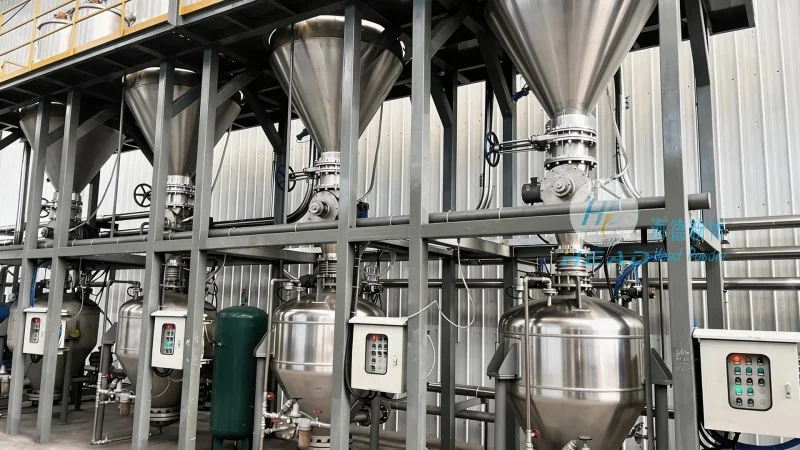
The design of lightweight aggregate material handling systems is guided by several key principles to ensure optimal performance and reliability. First, minimizing material degradation is a top priority. Lightweight aggregates, such as expanded clay or perlite, are often fragile and can be damaged by impact or abrasion. To address this, systems incorporate gentle handling equipment, such as belt conveyors with soft surfaces or pneumatic conveyors that use low-pressure air to move materials. These methods reduce the risk of particle breakage and maintain the material's quality. Second, energy efficiency is a critical design consideration. Modern systems incorporate variable speed drives (VSDs) and energy recovery mechanisms, such as regenerative braking in conveyor systems, to reduce power consumption. This not only lowers operational costs but also aligns with sustainability goals. Third, scalability and adaptability are essential for meeting changing production needs. Modular designs allow for easy expansion or reconfiguration as production volumes increase. For example, additional conveyors or feeders can be added to the system without major overhauls, providing flexibility for growing businesses. Fourth, safety is paramount. The system includes features like overload protection, dust suppression systems, and proper ventilation to protect operators and the environment. Overload protection prevents equipment damage by stopping the system when the feed rate exceeds the design capacity. Dust suppression systems, such as wet scrubbers or air filtration units, reduce airborne dust, improving workplace safety and compliance with environmental regulations.
Application Examples and Industry Use Cases
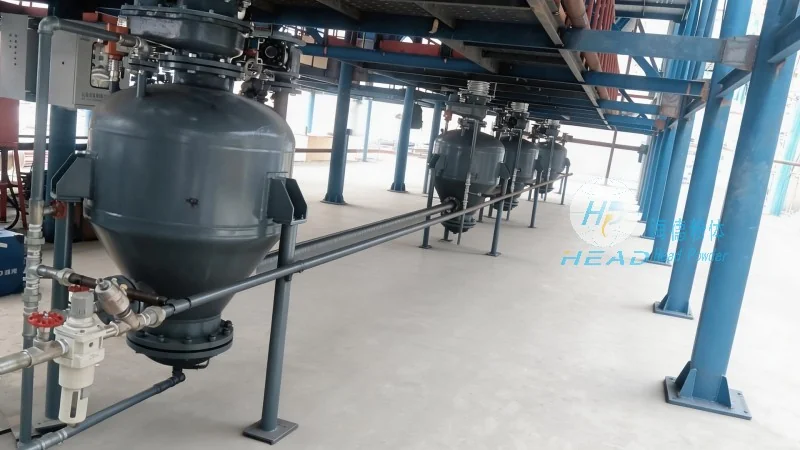
Lightweight aggregate material handling systems are widely utilized across various industries, each with specific requirements tailored to their operations. In the construction industry, these systems are integral to the production of lightweight concrete, a material used in building structures, road construction, and infrastructure projects. Expanded clay aggregates, for instance, are transported via belt conveyors from storage silos to mixing plants, where they are combined with cement and other additives. The efficiency of the material handling system directly impacts the overall productivity of the concrete production line. In manufacturing, lightweight aggregates like perlite and vermiculite are used in insulation products, such as ceiling tiles and wall panels. The material handling systems in these facilities transport these aggregates from storage to processing equipment, where they are mixed with binders and other components. The smooth operation of these systems ensures consistent product quality and reduces downtime. In environmental applications, lightweight aggregates are used for soil remediation and land reclamation projects. These systems help transport materials to contaminated sites, where they are used to improve soil structure and reduce erosion. The reliability of the material handling system is crucial in these projects, as any disruption could delay environmental restoration efforts.