

What is Fish Meal Material Handling Equipment? And What Are Its Design Principles?
Fish meal processing and transportation require specialized equipment to ensure efficiency, safety, and product quality. Fish meal material handling equipment is a critical system designed to manage the unique properties of fish meal, such as its fine, powdery texture and potential moisture content. This equipment is engineered to maintain hygiene standards, minimize dust generation, and prevent cross-contamination, making it indispensable in modern fish meal production lines. This article explores the nature of such equipment and the fundamental design principles that underpin its effectiveness.
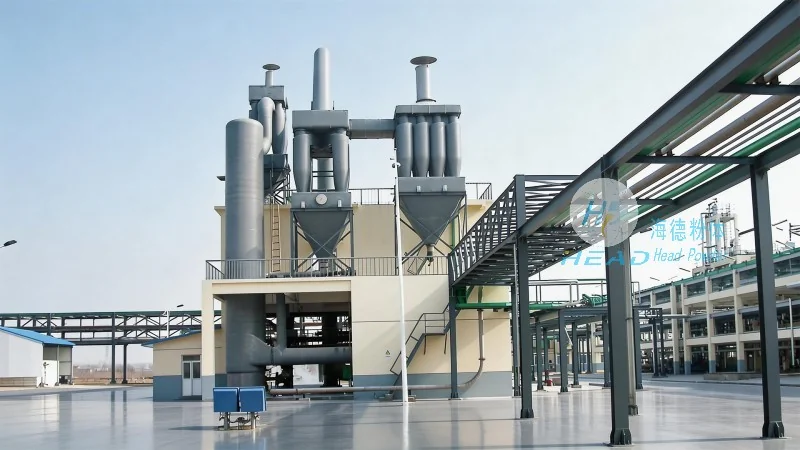
Introduction to Fish Meal Material Handling Equipment
Fish meal, a high-protein feed ingredient derived from fish processing byproducts, demands specialized handling due to its delicate characteristics. Traditional methods like manual shoveling or basic conveyors are often inadequate for large-scale operations, leading to inefficiencies and product degradation. Therefore, dedicated fish meal material handling equipment has been developed to address these challenges. These systems are designed to transport, store, and process fish meal in a controlled environment, ensuring consistent quality and operational reliability.
About HeadPowder: The Manufacturer
HeadPowder, formally known as Shandong HeadPowder Engineering Co., Ltd., is a leading manufacturer based in Shandong, China. With extensive experience in engineering and manufacturing material handling solutions, HeadPowder specializes in equipment tailored for the fish meal industry. The company’s commitment to quality, durability, and customer satisfaction has established it as a trusted provider in the sector. HeadPowder’s equipment is designed to meet the specific demands of fish meal processing, offering reliable performance and long-term value.
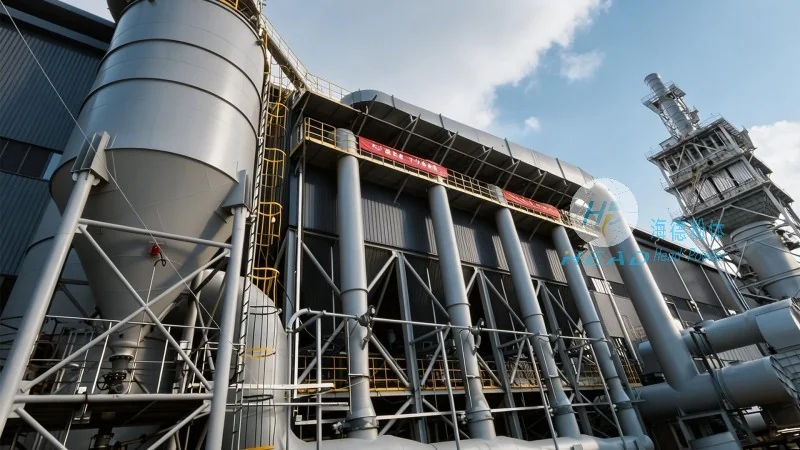
Design Principles of Fish Meal Material Handling Equipment
The design of fish meal material handling equipment is guided by several key principles to ensure optimal performance. First, the equipment must be constructed from non-corrosive and easy-to-clean materials, such as stainless steel, to maintain strict hygiene standards. This is crucial because fish meal can be prone to spoilage and contamination if not handled properly. Second, the system is engineered to minimize dust generation through enclosed conveying paths and efficient dust collection systems. This improves workplace safety and prevents product loss and environmental pollution.
Third, the equipment is built for low maintenance and durability. Components are selected to withstand the abrasive nature of fish meal, reducing the need for frequent repairs and downtime. Additionally, advanced control systems are incorporated to allow precise regulation of speed, pressure, and flow, ensuring consistent operation. These controls help maintain the nutritional value of the fish meal and prevent over-processing or under-processing.
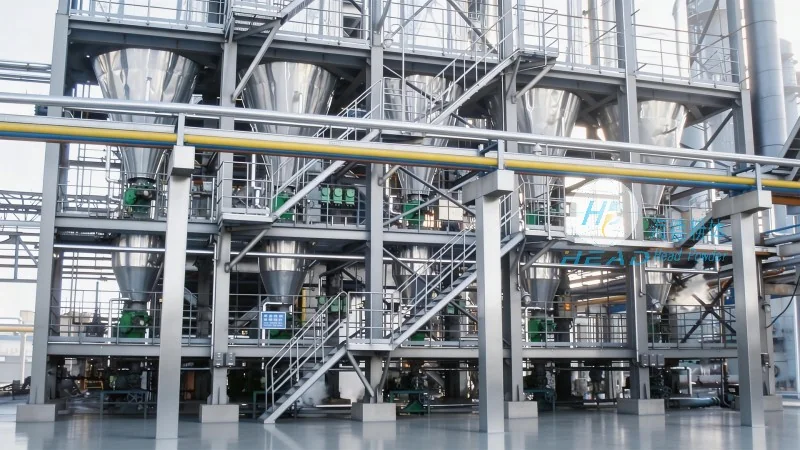
Key Components and Functionalities
Typical fish meal material handling equipment includes feeders, conveyors, elevators, and storage silos. Feeders regulate the flow of fish meal from storage bins to the conveyor system, ensuring a consistent feed rate. Conveyors, often in the form of screw or pneumatic systems, transport the material horizontally or vertically. Elevators lift the fish meal to higher levels for processing or storage, while storage silos hold large quantities, providing a buffer for production fluctuations.
Pneumatic conveying systems are particularly effective for fish meal due to their ability to handle fine powders without mechanical parts that could get clogged. These systems use air pressure to move material through pipes, reducing friction and wear. However, they require careful design to prevent air leaks and ensure efficient transport. Mechanical conveyors, such as belt or chain types, are used for horizontal transport, offering high capacity and reliability.
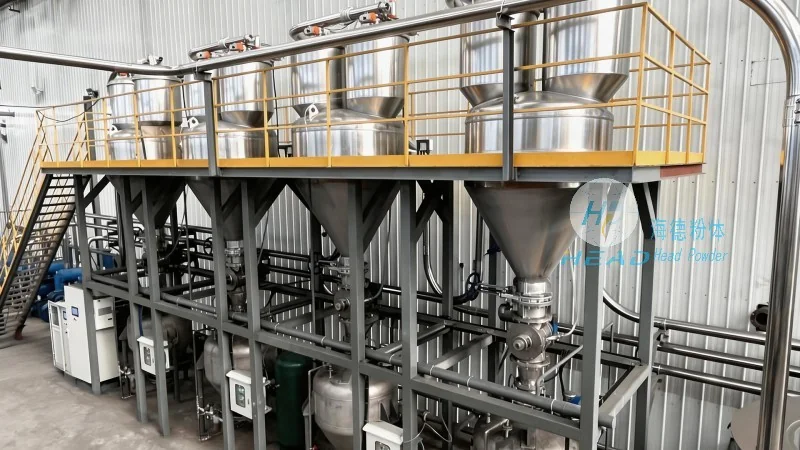
Application and Operational Benefits
Fish meal material handling equipment is widely used in fish meal processing plants, feed mills, and aquaculture facilities. Its primary benefits include improved operational efficiency, reduced labor costs, and enhanced product quality. By automating the handling process, these systems minimize human error and ensure consistent product quality. The enclosed design also reduces dust exposure for workers, contributing to a safer environment. Furthermore, the equipment helps maintain the nutritional integrity of fish meal by preventing exposure to air and moisture that could lead to spoilage.
Conclusion
In summary, fish meal material handling equipment is a vital component in the fish meal production process, designed to handle the unique properties of this feed ingredient efficiently and safely. The design principles, including hygienic construction, dust control, and durability, ensure that the equipment meets the demands of modern processing facilities. With manufacturers like Shandong HeadPowder Engineering Co., Ltd. providing specialized solutions, the industry can rely on robust and reliable equipment to enhance productivity and maintain product quality. As the demand for fish meal continues to grow, the importance of well-designed material handling systems will only increase, supporting the sustainability and efficiency of the fish meal industry.