

What is Fermented Grain Material Handling Equipment? And What Are Its Design Principles?
When it comes to the production of fermented grain products, such as traditional liquors, the efficient handling of raw materials like fermented grains is crucial. This is where specialized equipment, known as fermented grain material handling equipment, plays a vital role. These systems are designed to transport, store, and manage the flow of fermented grains throughout the production process, ensuring optimal efficiency and product quality. In this article, we will explore what these equipment are and delve into the underlying design principles that make them effective.
Key Functions of Fermented Grain Material Handling Equipment
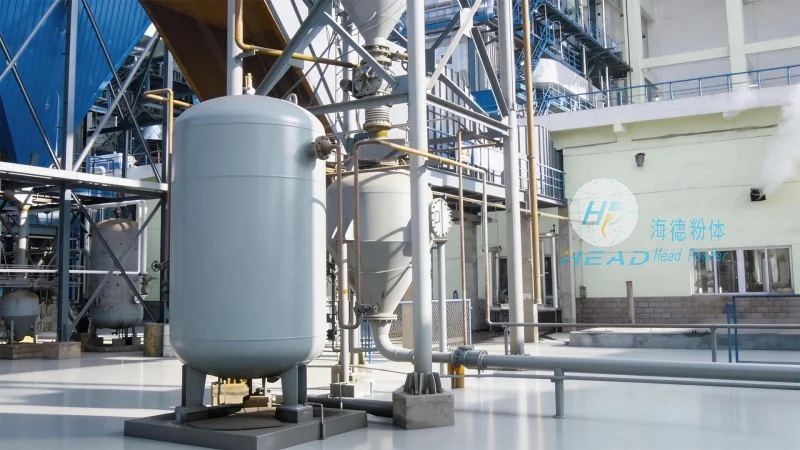
Fermented grain material handling equipment serves multiple essential functions in the production workflow. Primarily, these systems are responsible for the safe and efficient transportation of fermented grains from storage areas to processing units. This includes tasks such as loading, unloading, and transferring the material between different stages of production. The equipment also helps in maintaining the integrity of the fermented grains, preventing contamination and ensuring that the material remains in optimal condition for further processing. Additionally, these systems often integrate with other production machinery, enabling seamless coordination and automation of the overall production line.
Design Principles Behind Fermented Grain Material Handling Equipment
The design of fermented grain material handling equipment is guided by several key principles aimed at maximizing efficiency, safety, and durability. One of the core principles is the consideration of material properties. Fermented grains are typically bulk materials with specific characteristics, such as moisture content, density, and flowability. Equipment design must account for these properties to ensure effective handling without causing degradation or damage to the material. For instance, the choice of conveyor type, such as belt conveyors or screw conveyors, is influenced by the grain's flow characteristics and the need to minimize breakage or compaction.
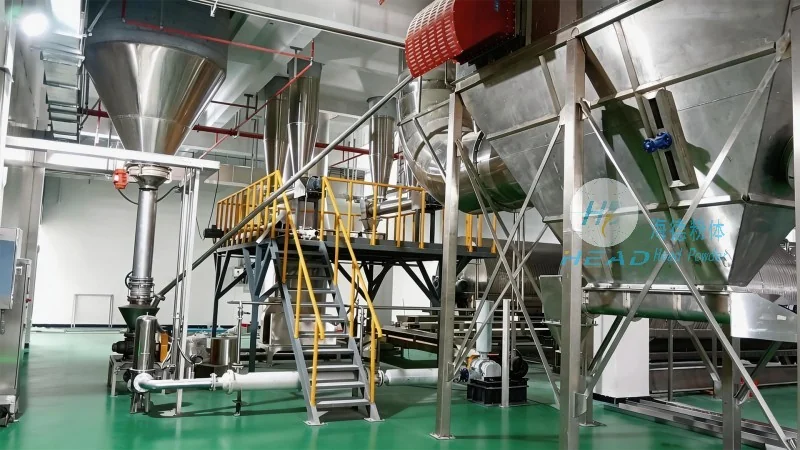
Another critical design principle is the focus on energy efficiency and operational costs. Modern equipment often incorporates advanced technologies to reduce energy consumption while maintaining high throughput. This includes the use of variable speed drives, which adjust the conveyor speed based on the load, and energy-saving motor systems. Additionally, the design emphasizes durability and low maintenance requirements, as the equipment operates in demanding environments with high humidity and potential for dust or debris. Materials used in the construction, such as stainless steel or corrosion-resistant alloys, are selected to withstand the harsh conditions and ensure long-term reliability.
Components and Mechanisms of Fermented Grain Material Handling Equipment
Fermented grain material handling equipment typically consists of several interconnected components that work together to achieve the desired functionality. The primary components include the feeding mechanism, which introduces the fermented grains into the system, and the conveying system, which transports the material. The feeding mechanism may involve hoppers or chutes that control the flow rate and prevent overloading. The conveying system can vary, with common options including belt conveyors, screw conveyors, and bucket elevators, each suited to different production requirements and material characteristics.
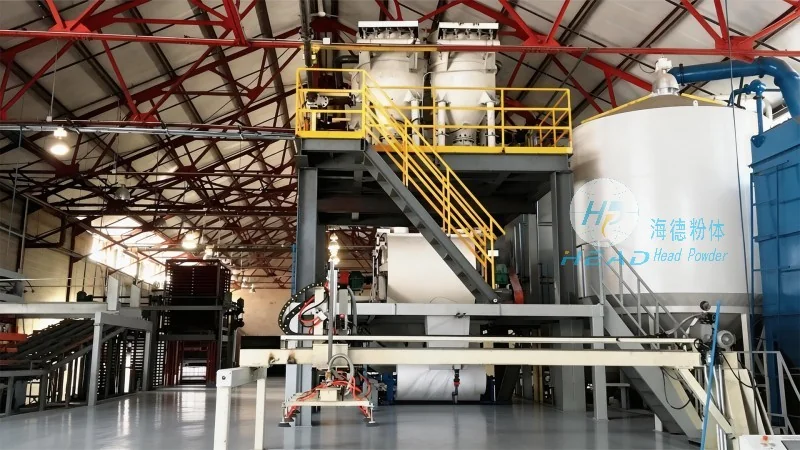
Control systems are also integral to the operation of these equipment. Modern systems often feature automated controls that monitor the flow rate, detect blockages, and adjust the speed of the conveyor as needed. This ensures smooth operation and prevents downtime. Additionally, safety features are incorporated to protect operators and prevent accidents, such as emergency stop buttons and protective guards around moving parts. The integration of these components into a cohesive system allows for efficient and reliable handling of fermented grains throughout the production process.
Applications and Benefits in the Fermented Grain Industry
Fermented grain material handling equipment is widely used in various stages of the fermented grain production process. In the initial stages, these systems help in transferring raw fermented grains from storage silos or bins to the fermentation tanks. During the fermentation process, the equipment may be used to move the fermented mash or distillate between different processing units, such as distillation columns or filtration systems. In the final stages, the equipment assists in packaging and distribution, ensuring that the finished product is handled carefully to maintain its quality and flavor.
The benefits of using specialized material handling equipment extend beyond mere efficiency. By automating the handling process, these systems reduce the risk of human error and improve consistency in product quality. They also enhance workplace safety by minimizing the need for manual handling of heavy or potentially hazardous materials. Furthermore, the integration of advanced control systems allows for real-time monitoring and data collection, enabling manufacturers to optimize their production processes and improve overall productivity.
Conclusion and Company Overview
Fermented grain material handling equipment is a critical component in the production of high-quality fermented grain products. The design principles behind these systems focus on efficiency, durability, and safety, ensuring that they can handle the unique characteristics of fermented grains while maintaining optimal performance. As the demand for traditional and specialty fermented grain products grows, the importance of reliable and effective material handling equipment becomes increasingly significant.
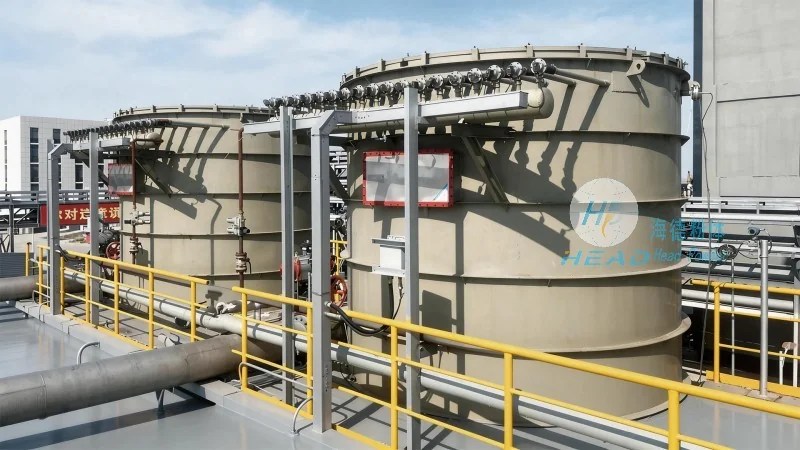
Shandong HeadPowder Engineering Co., Ltd., a leading manufacturer in this field, specializes in the design and production of advanced fermented grain material handling equipment. With a strong commitment to quality and innovation, the company provides customized solutions tailored to the specific needs of its clients. HeadPowder's equipment is engineered to meet the highest standards of performance and reliability, ensuring that manufacturers can achieve their production goals while maintaining product integrity. The company's headquarters is located in Shandong, China, where it continues to develop and refine its products to meet the evolving demands of the industry.