

[CMPRNSNFCNCDM: Advantages & Disadvantages]
When it comes to the efficient and safe delivery of calcium nitrite, selecting the right delivery method is crucial for industrial applications. Calcium nitrite is widely used in various sectors, including water treatment, construction, and chemical manufacturing, and its proper handling ensures optimal performance and compliance with safety standards. This article provides a detailed comparison of common calcium nitrite delivery methods, highlighting their advantages and disadvantages to help industrial operators make informed decisions.
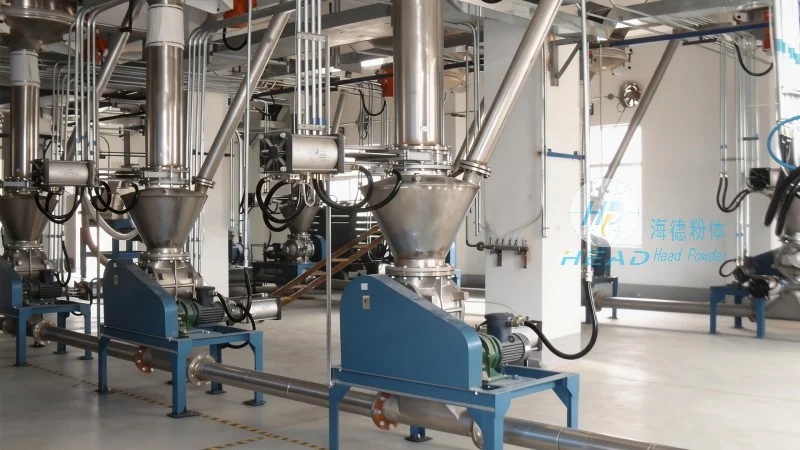
Overview of Calcium Nitrite Delivery Systems
Calcium nitrite delivery systems are designed to transport the chemical from storage to points of use. The choice of method depends on factors such as the volume of material, distance, required flow rate, and the environment where the delivery takes place. Common delivery methods include pump-driven systems, gravity-driven flow, and pneumatic conveying. Each method has its own set of benefits and limitations, which are discussed below.
Pump-Driven Delivery Systems: Advantages and Disadvantages
Pump-driven delivery systems are among the most common methods for transporting calcium nitrite. These systems use mechanical pumps to move the chemical through pipelines. The primary advantage of pump-driven systems is their ability to maintain consistent flow rates, even over long distances or when dealing with varying pressures. This ensures a steady supply of calcium nitrite to the application point, which is critical for processes that require precise dosing. Additionally, pumps can handle a wide range of viscosities and can be easily integrated with automated control systems, enhancing operational efficiency.
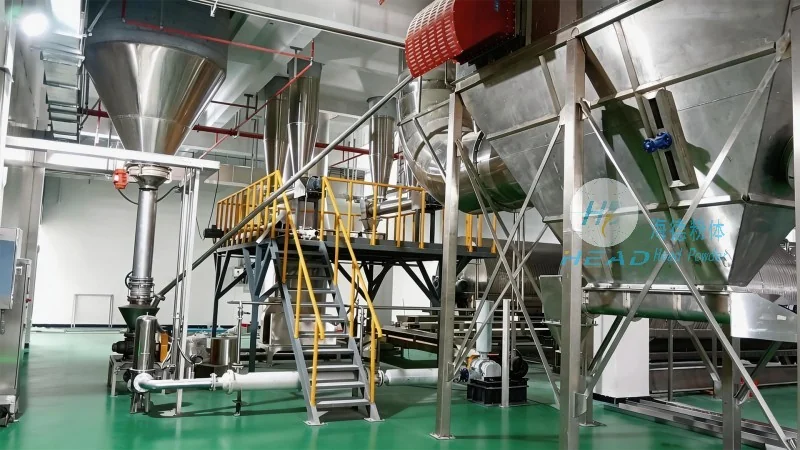
However, pump-driven systems also have notable disadvantages. The most significant drawback is the need for regular maintenance and replacement of pump components, such as seals and impellers, which can lead to downtime and increased operational costs. Furthermore, the initial investment for pump systems is relatively high compared to other methods, especially for small-scale applications. Another concern is the risk of pump failure, which can disrupt the entire delivery process and potentially lead to safety hazards if the chemical is not delivered as intended.
Gravity-Driven Flow Systems: Advantages and Disadvantages
Gravity-driven flow systems rely on the natural force of gravity to move calcium nitrite from a higher elevation to a lower point of use. This method is often used in applications where the storage tank is located above the point of application, eliminating the need for external power sources. One of the key advantages of gravity-driven systems is their simplicity and low operational costs. Since they do not require pumps or other mechanical components, the maintenance requirements are minimal, and the risk of mechanical failure is reduced. This makes them an attractive option for applications with low flow rates and short delivery distances.
Despite these benefits, gravity-driven flow systems have several limitations. The most significant drawback is their dependence on the vertical distance between the storage and application points. If the distance is too short, the flow rate may be insufficient to meet the demand. Additionally, gravity systems are not suitable for transporting calcium nitrite over long distances or in applications where the material needs to be delivered to multiple points. The flow rate is also affected by the viscosity of the calcium nitrite solution, and higher viscosities can lead to slower flow rates or even clogging in the pipes. Furthermore, gravity systems may not be able to handle variations in demand, as the flow rate is fixed once the system is set up.
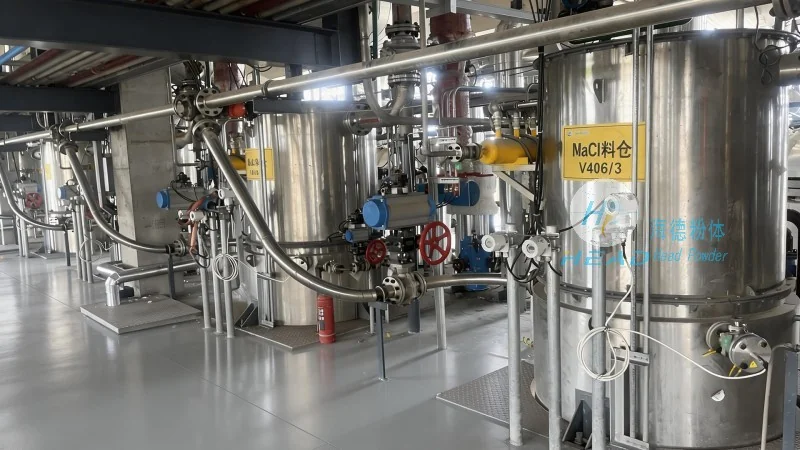
Pneumatic Conveying Methods: Advantages and Disadvantages
Pneumatic conveying systems use air or other gases to transport calcium nitrite through a pipeline. This method is particularly useful for handling powders or granules, as it can move the material without the need for direct contact with the pipeline walls. One of the main advantages of pneumatic conveying is its ability to transport calcium nitrite over long distances with minimal pressure drops. This makes it suitable for applications where the storage and application points are far apart. Additionally, pneumatic systems can handle varying flow rates and can be easily adjusted to meet changing demand. They also provide a degree of containment, reducing the risk of dust or spillage during transport.
However, pneumatic conveying has its own set of disadvantages. The most significant drawback is the high energy consumption required to move the material through the pipeline. The system needs to generate sufficient air pressure to overcome friction and maintain the flow, which can lead to increased operational costs. Another limitation is the potential for material degradation, as the high-speed air flow can cause abrasion or breakage of the calcium nitrite particles. This may affect the quality of the material and its performance in the application. Furthermore, pneumatic systems are more complex to install and maintain compared to other methods, as they require specialized equipment such as air compressors and filters.
Choosing the Right Delivery Method for Calcium Nitrite
When selecting a calcium nitrite delivery method, industrial operators must consider several factors, including the specific requirements of their application, the volume and viscosity of the material, and the distance between storage and use points. Pump-driven systems are ideal for high-volume applications with long distances and variable flow rates. Gravity-driven systems are suitable for low-volume, short-distance applications where simplicity and low costs are priorities. Pneumatic conveying is best for transporting powders or granules over long distances, especially when containment and flexibility are important.
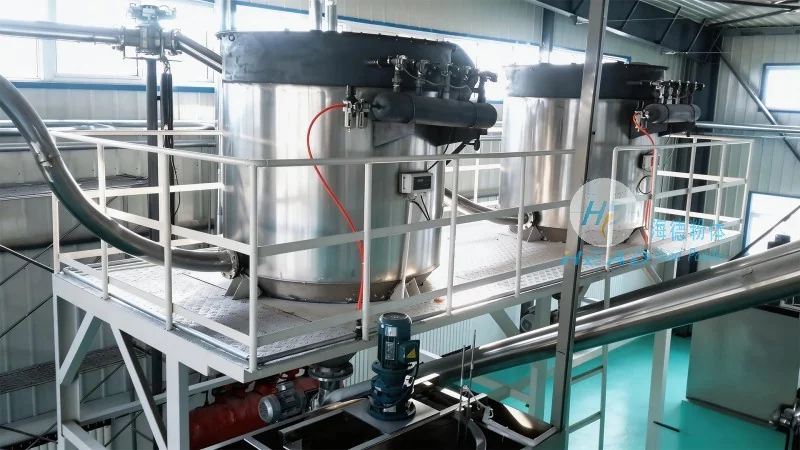
It is also essential to consider the safety and regulatory aspects of each method. Calcium nitrite is a hazardous material, and any delivery system must comply with local and international safety standards. Pump-driven systems may require additional safety features, such as pressure relief valves and emergency shut-off mechanisms, to prevent accidents. Gravity systems, while simple, must be designed to prevent leaks and spills, as the material can be harmful if it comes into contact with skin or is inhaled. Pneumatic systems need to be equipped with dust collection and filtration systems to minimize the risk of airborne particles.
Conclusion
In conclusion, the choice of calcium nitrite delivery method depends on a combination of technical, economic, and safety factors. Pump-driven systems offer flexibility and consistent flow, but require higher maintenance and initial investment. Gravity-driven systems are cost-effective and simple, but have limitations in terms of distance and flow rate. Pneumatic conveying provides long-distance transport and containment, but at the cost of higher energy consumption and complexity. By carefully evaluating these factors, industrial operators can select the most appropriate delivery method for their specific needs, ensuring efficient and safe handling of calcium nitrite.