

What is a Red Mud Material Conveying Line? What are its Design Principles?
Red mud material conveying lines are specialized industrial systems engineered to handle the transportation of red mud, a byproduct commonly generated in the bauxite refining process for aluminum production. These systems are critical in the aluminum industry, as they facilitate the efficient movement of red mud from processing sites to disposal or further treatment facilities. The design of such conveying lines is tailored to address the unique challenges posed by red mud, including its high moisture content, abrasive nature, and variable particle size distribution.
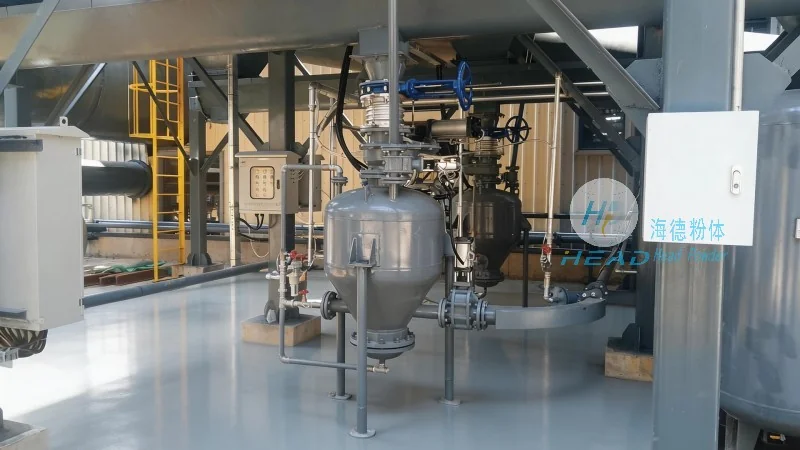
Key Components of Red Mud Conveying Systems
A typical red mud material conveying line comprises several key components that work in tandem to ensure reliable and efficient operation. These components include feed hoppers, conveyor belts or screw conveyors, idlers, pulleys, and control systems. The feed hopper is responsible for collecting and storing the red mud before it is fed into the conveyor system. Conveyor belts, often made from heavy-duty materials like rubber or steel, transport the red mud over long distances. Idlers and pulleys support and guide the conveyor belt, while control systems monitor and regulate the operation of the entire line, ensuring safety and optimal performance.
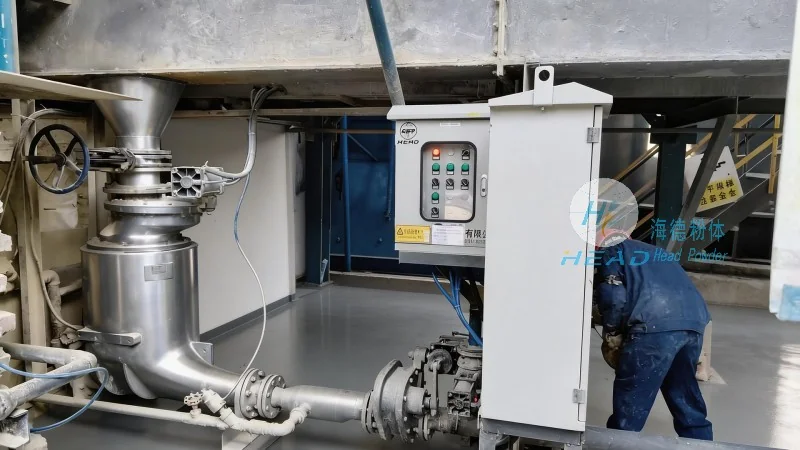
Design Principles for Red Mud Conveying Lines
The design of red mud material conveying lines is guided by several fundamental principles aimed at maximizing efficiency, durability, and safety. One of the primary principles is the selection of appropriate materials for the conveyor components. Since red mud is abrasive and can cause significant wear on equipment, materials such as high-strength steel, wear-resistant rubber, and specialized coatings are commonly used for belts, idlers, and pulleys. Another critical design principle is the consideration of the red mud's physical properties, including its moisture content and particle size. High moisture content can lead to belt slip or blockages, so systems often incorporate features like belt cleaning mechanisms or moisture control measures. The particle size distribution also influences the choice of conveyor type; for example, screw conveyors may be preferred for handling fine particles, while belt conveyors are suitable for larger chunks.
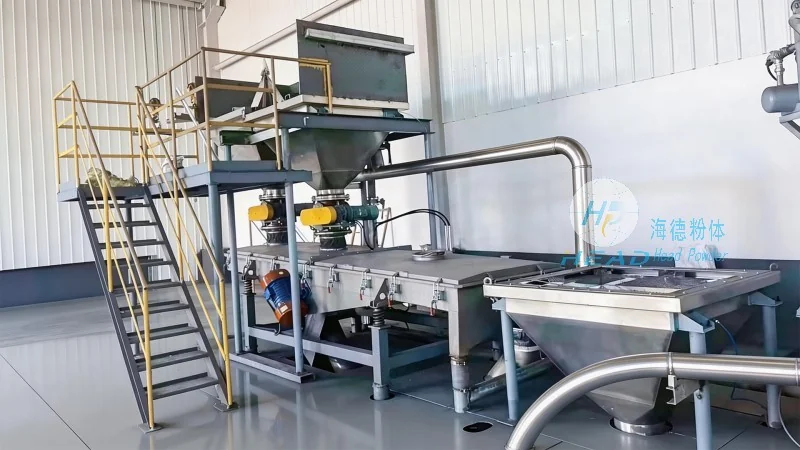
Engineering Solutions by Shandong HeadPowder Engineering Co., Ltd.
Shandong HeadPowder Engineering Co., Ltd., a leading provider of industrial conveying solutions, specializes in designing and manufacturing customized red mud material conveying lines. With a focus on durability and efficiency, the company's engineers develop systems tailored to the specific requirements of each client. The company's headquarters is located in Shandong, China, where its team of experienced professionals leverages advanced technology and industry best practices to deliver high-quality solutions. By integrating robust materials and innovative design features, HeadPowder's conveying lines are built to withstand the harsh conditions associated with red mud transportation, ensuring long-term reliability and minimal maintenance.
Applications and Benefits of Red Mud Conveying Lines
Red mud material conveying lines are widely used in the aluminum industry to transport red mud from the refinery to disposal sites or for further processing. These systems offer several key benefits, including improved operational efficiency, reduced labor costs, and enhanced safety. By automating the transportation process, companies can minimize the need for manual handling, which reduces the risk of accidents and exposure to hazardous materials. Additionally, efficient conveying systems help to optimize the overall production process by ensuring a steady supply of red mud to downstream treatment facilities. The durability of these systems, designed to handle the abrasive nature of red mud, contributes to lower long-term maintenance costs and increased uptime.
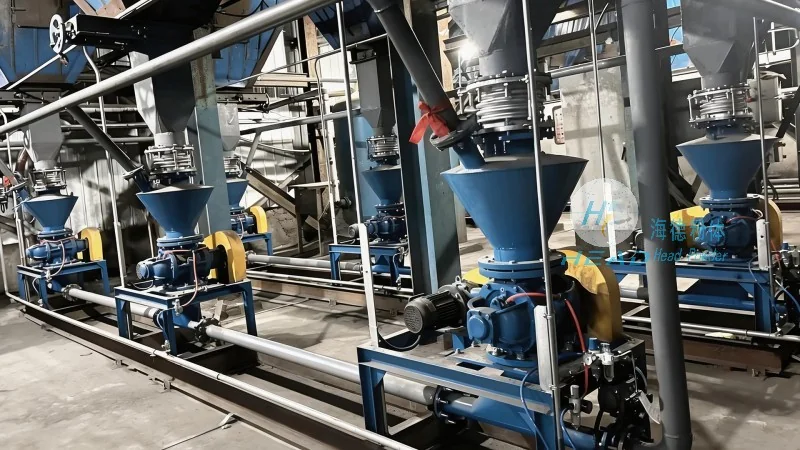
Conclusion
In summary, red mud material conveying lines are essential components of the aluminum production process, designed to efficiently transport a challenging byproduct. The design principles, including material selection, system integration, and consideration of red mud's physical properties, are crucial for the reliable operation of these systems. Companies like Shandong HeadPowder Engineering Co., Ltd. play a vital role in providing customized solutions that meet the unique needs of the industry, ensuring that red mud is handled safely and effectively. As the aluminum industry continues to evolve, the importance of robust and efficient conveying systems will remain paramount in optimizing production and minimizing environmental impact.