

Common Sintering Dust Removal and Transportation Methods: A Comparison of Advantages and Disadvantages
For industrial facilities involved in sintering processes, the efficient removal and transportation of dust and fine particulate matter is crucial for maintaining operational efficiency and environmental compliance. Among the various methods available for handling sintering dust, selecting the right transportation system is a critical decision that impacts both performance and cost. This article provides a comprehensive comparison of common sintering dust removal and transportation methods, examining their advantages and disadvantages to help facilities make informed choices.
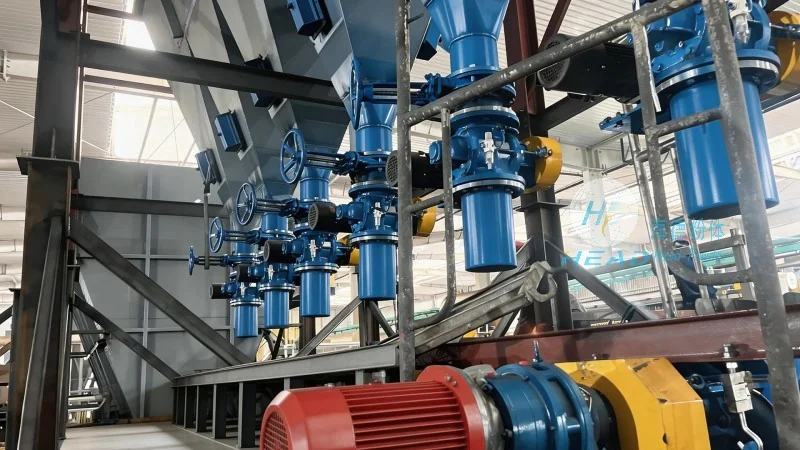
Pneumatic Conveying Systems
Pneumatic conveying, or air-based transportation, is a widely used method for moving sintering dust due to its ability to transport materials over long distances with minimal maintenance. This system operates by using compressed air to create a flow that carries the dust particles through a pipeline. The primary advantage of pneumatic conveying is its flexibility in handling fine and abrasive materials, as it can transport dust without the need for mechanical components that might wear out quickly. Additionally, it offers a relatively low risk of cross-contamination, making it suitable for applications where dust purity is essential. However, the system has significant drawbacks, including high energy consumption, as it requires substantial air pressure to move the material. This leads to increased operational costs, especially for large-scale operations. Another drawback is the potential for dust buildup in the pipeline, which can cause blockages and require regular cleaning. Furthermore, the system may not be suitable for very heavy or large particulate loads, as the air flow may not be sufficient to move them effectively.
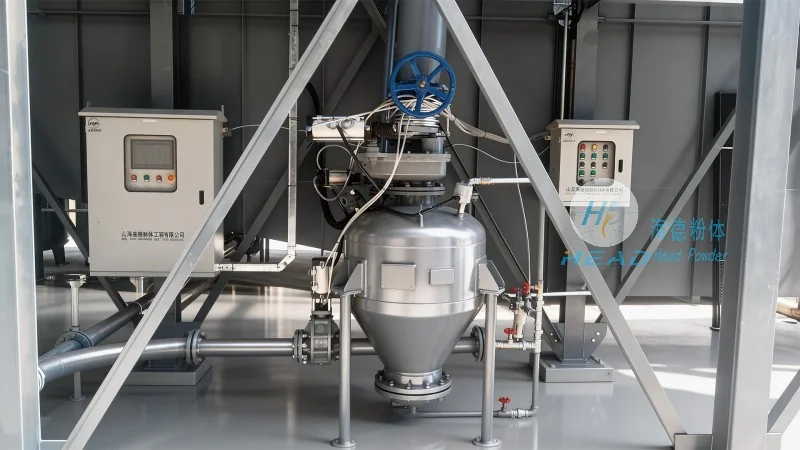
Screw Conveyors
Screw conveyors, also known as auger conveyors, are another common method for transporting sintering dust. These systems use a rotating screw or helical blade to move material along a trough. The main advantage of screw conveyors is their simplicity and low cost compared to pneumatic systems. They are relatively easy to install and maintain, with fewer moving parts that can break down. Additionally, screw conveyors can handle a wide range of material types, including wet or sticky dust, as the screw can push the material forward without the need for air pressure. This makes them ideal for applications where the dust is not too fine or abrasive. However, screw conveyors have several limitations. They are not suitable for very fine or powdery dust, as the material can easily fall through the gaps in the screw or the trough, leading to loss of material and inefficiency. Moreover, screw conveyors can cause significant wear on the trough and screw due to the abrasive nature of sintering dust, requiring frequent replacement of parts. Another drawback is their limited ability to transport materials over long distances, as the friction and resistance can reduce the efficiency of the system. This makes them more suitable for short to medium-distance transportation within a facility.
Belt Conveyors
Belt conveyors are a traditional and reliable method for transporting sintering dust, particularly in large-scale operations. These systems use a continuous belt that moves over rollers to transport material from one point to another. The primary advantage of belt conveyors is their high capacity and ability to handle large volumes of dust efficiently. They can transport materials over long distances with minimal energy consumption compared to pneumatic systems, as the belt movement is driven by a motor rather than compressed air. Additionally, belt conveyors are durable and can withstand heavy loads and abrasive materials, reducing the need for frequent maintenance. However, belt conveyors have their own set of disadvantages. They require a significant amount of space for installation, as the conveyor belt needs to be supported by rollers and a frame. This can be a limitation in facilities with limited floor space. Another drawback is the risk of dust buildup on the belt and rollers, which can cause the belt to slip or the rollers to fail. Regular cleaning and maintenance are necessary to prevent these issues. Furthermore, belt conveyors are not suitable for very fine or powdery dust, as the material can fall through the gaps between the belt and the rollers, leading to material loss. This makes them more suitable for coarser dust particles or bulk materials.
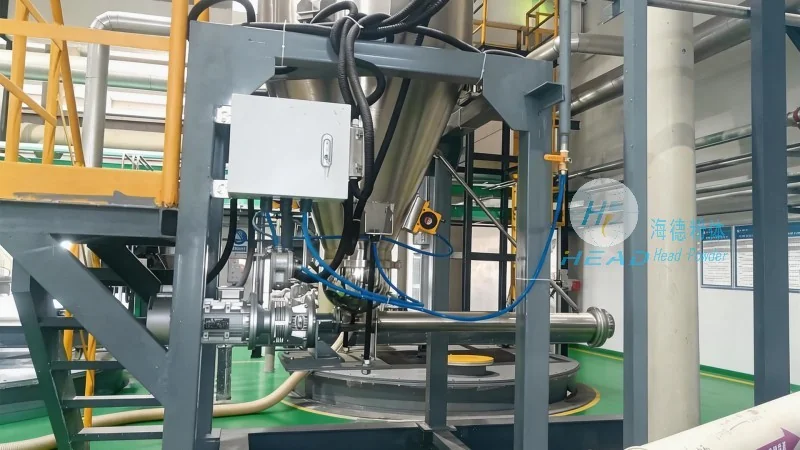
HeadPowder Engineering: Expert Solutions for Sintering Dust Transportation
Shandong HeadPowder Engineering Co., Ltd., based in Shandong, China, specializes in providing advanced solutions for sintering dust removal and transportation. With years of experience in the industry, HeadPowder understands the unique challenges faced by facilities in handling sintering dust and offers customized systems that meet specific operational requirements. The company’s team of engineers and technicians work closely with clients to assess their needs and recommend the most suitable transportation method, whether it is pneumatic conveying, screw conveyors, or belt conveyors. HeadPowder’s solutions are designed to optimize efficiency, reduce costs, and ensure compliance with environmental regulations. The company uses high-quality materials and components to ensure durability and longevity of the systems, minimizing maintenance and downtime. Additionally, HeadPowder provides comprehensive after-sales support, including installation, training, and maintenance services, to ensure that clients can operate their systems effectively and efficiently. By choosing HeadPowder Engineering, facilities can benefit from expert guidance and reliable solutions that enhance their operational performance and reduce environmental impact.