

Common Polypropylene Resin Powder Conveying Methods: A Comparison of Advantages and Disadvantages
When it comes to handling polypropylene resin powder in industrial settings, selecting the right conveying method is crucial for efficiency, safety, and cost-effectiveness. Shandong HeadPowder Engineering Co., Ltd., a leading manufacturer based in Shandong, China, specializes in providing solutions for material handling, including various conveying systems for polypropylene resin powders. This article provides a detailed comparison of common polypropylene resin powder conveying methods, highlighting their advantages and disadvantages to help industrial operators make informed decisions.
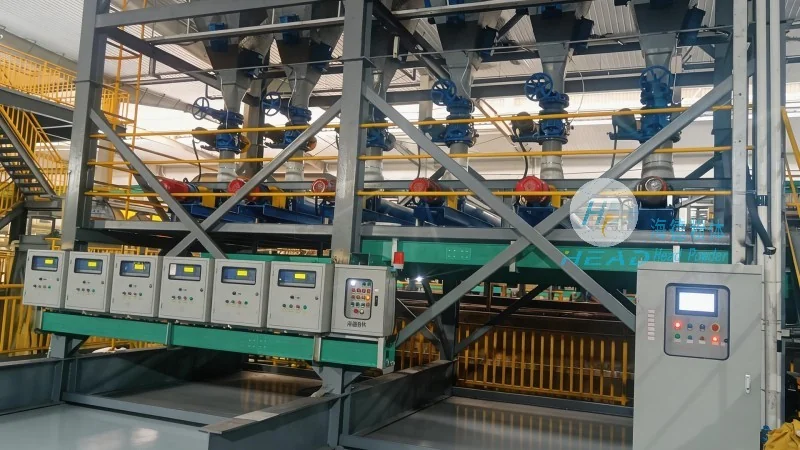
Conveying Methods Overview
Before diving into the specifics, it's essential to understand the primary types of conveying systems used for polypropylene resin powders. These systems can be broadly categorized into mechanical and pneumatic methods, each with its own set of applications and characteristics.
Mechanical Conveying Systems
Mechanical conveying systems rely on physical components like belts, screws, and buckets to move material. Among the most common are belt conveyors and screw conveyors. Belt conveyors are ideal for horizontal or slightly inclined transport of polypropylene resin powders, offering high capacity and low maintenance. However, they may not be suitable for vertical lifts due to the risk of material spillage and increased energy consumption for steep inclines. Screw conveyors, also known as auger conveyors, are excellent for vertical or inclined transport, as they can handle materials with varying moisture content and particle sizes. The main disadvantage is that they can cause material degradation if the screw speed is too high or the material is abrasive.
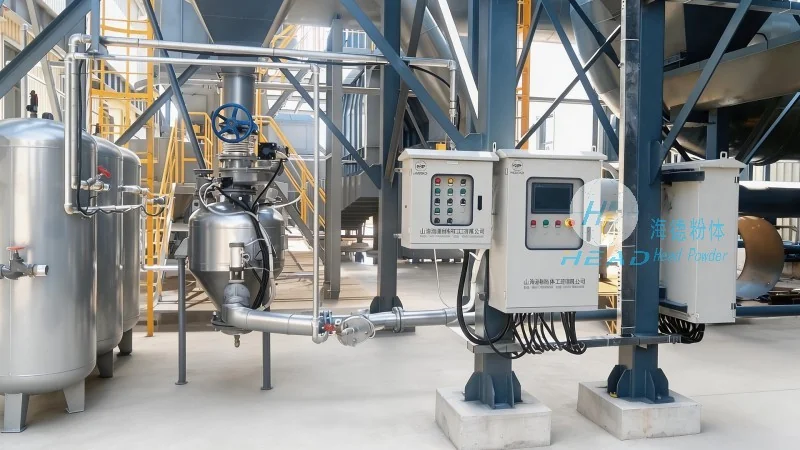
Pneumatic Conveying Systems
Pneumatic conveying systems use air or other gases to transport polypropylene resin powders through a pipeline. These systems are typically divided into pressure and vacuum types. Pressure systems are suitable for short to medium distances and can handle high volumes of material, while vacuum systems are better for long distances or when material needs to be collected from multiple points. The advantages of pneumatic conveying include high speed, minimal material degradation, and the ability to transport materials in a closed system, reducing dust and contamination. However, they require more energy compared to mechanical systems and may have higher initial costs due to the need for air compressors and filtration systems.
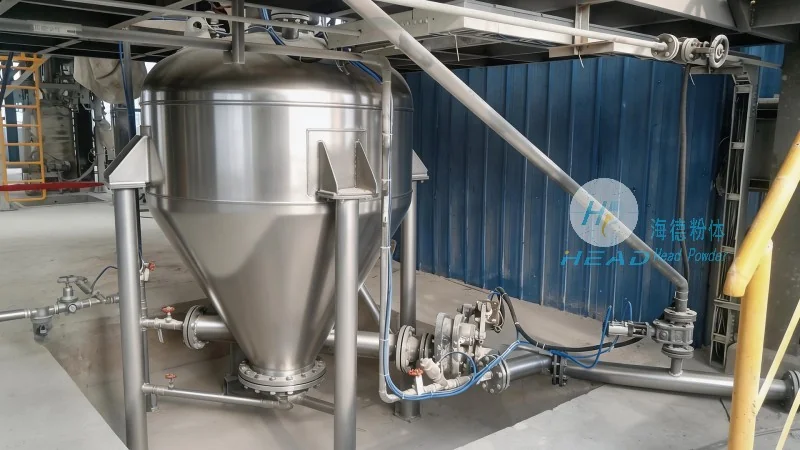
Advantages and Disadvantages Summary
When comparing mechanical and pneumatic conveying systems for polypropylene resin powders, several factors come into play. Mechanical systems are generally more cost-effective for short distances and horizontal transport, with lower energy consumption. They are also easier to install and maintain. Pneumatic systems, on the other hand, offer greater flexibility in terms of distance and layout, with the ability to transport materials in a closed loop. However, they are more complex and require regular maintenance of air compressors and filtration equipment. The choice between these systems depends on the specific application, including the distance to be covered, the volume of material, and the need for dust control.
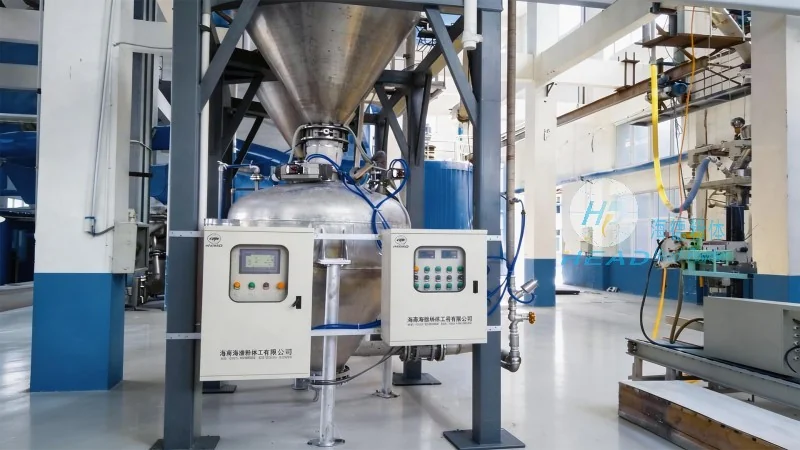
Practical Considerations for Selection
Industrial operators should consider several practical factors when selecting a conveying method for polypropylene resin powders. First, the distance and layout of the production facility are critical. For short horizontal distances, a belt conveyor might be sufficient, while for vertical lifts or longer distances, a pneumatic system or screw conveyor may be more appropriate. Second, the material characteristics, such as particle size, moisture content, and abrasiveness, influence the choice. For example, abrasive materials may require more robust components in mechanical systems, while high moisture content may affect the performance of pneumatic systems. Third, safety and environmental considerations are important. Pneumatic systems can help reduce dust emissions, which is beneficial for compliance with environmental regulations. Finally, the budget and maintenance capabilities of the company should be taken into account, as different systems have varying long-term costs.
Conclusion
Choosing the right conveying method for polypropylene resin powders is a critical decision that impacts operational efficiency and safety. Shandong HeadPowder Engineering Co., Ltd. offers a range of conveying solutions tailored to the specific needs of industrial applications. By understanding the advantages and disadvantages of each method, operators can select the most suitable system for their production processes, ensuring optimal performance and cost-effectiveness.