

What is a Cereal Powder Conveying Machine? And What Are Its Design Principles?
For those in the food processing industry, especially those dealing with cereal powders, understanding the machinery used for efficient handling and transportation is crucial. A key piece of equipment in this domain is the cereal powder conveying machine. This article aims to provide a comprehensive overview of what this machine is and the underlying design principles that make it effective in its operation.
Introduction to Cereal Powder Conveying Machines
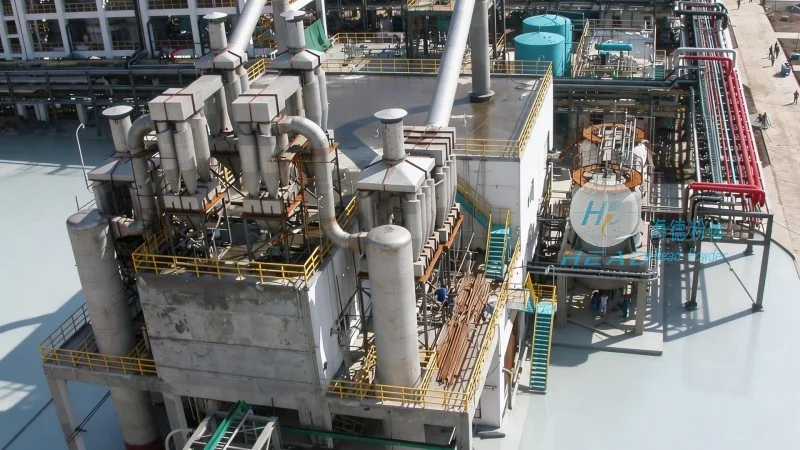
A cereal powder conveying machine is a specialized piece of equipment designed to transport and handle dry, free-flowing powders, such as those derived from cereals like wheat, oats, or corn. These machines are essential in various stages of food processing, from raw material handling to packaging. The primary function is to move the powder from one location to another within a production facility, ensuring a smooth and efficient workflow. The design of these machines is tailored to address the unique challenges posed by cereal powders, including their flow characteristics, dust control needs, and the requirement for hygienic operation.
Key Components and Design Principles
The effectiveness of a cereal powder conveying machine is largely determined by its design and the components it incorporates. Several key principles guide the design to ensure optimal performance. Firstly, the machine must be capable of handling the specific flow properties of cereal powders. These powders often exhibit characteristics such as low bulk density and potential for bridging or caking, which can impede flow. To address this, the design incorporates features like inclined chutes or vibratory mechanisms that help maintain a consistent flow rate. Secondly, dust control is a critical consideration. Cereal powders are fine and can easily generate dust, which poses health and safety risks as well as environmental concerns. The design typically includes sealed systems, dust collection hoods, and proper ventilation to minimize dust dispersion. Thirdly, hygienic design is paramount in food processing applications. The machine is constructed from materials that are easy to clean and sanitize, such as stainless steel, and features smooth surfaces with no crevices where powder can accumulate. This ensures compliance with food safety regulations and maintains product quality. Additionally, the machine is designed for easy maintenance and cleaning, with components that can be easily disassembled and cleaned without compromising the integrity of the equipment.
How the Conveying Process Works
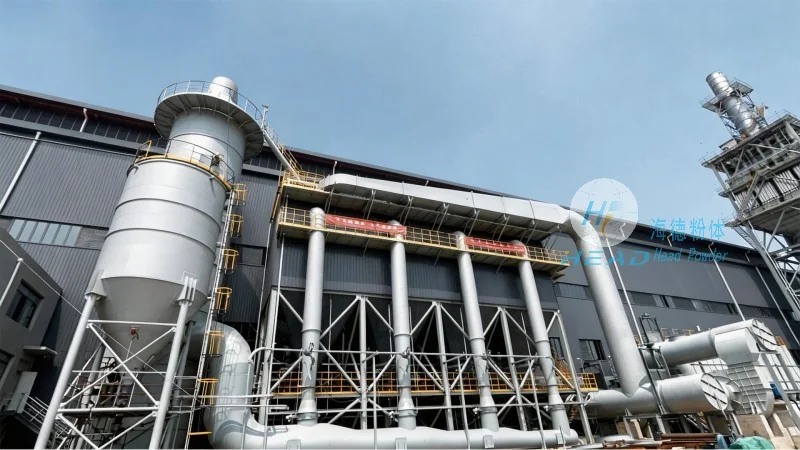
The operation of a cereal powder conveying machine involves several steps that work in tandem to move the powder efficiently. The process typically begins with the powder being fed into the machine, often from a hopper or a storage silo. The machine then uses a combination of mechanical forces, such as gravity, vibration, or air pressure, to move the powder along the conveying path. For example, a screw conveyor, a common type of conveying machine, uses a rotating screw to push the powder forward. The speed and pitch of the screw are carefully designed to match the flow characteristics of the cereal powder, ensuring a consistent and controlled flow. Another common design is the pneumatic conveyor, which uses air pressure to transport the powder through a pipeline. This method is particularly effective for fine powders and can cover longer distances with less maintenance. The choice of conveying method depends on factors such as the powder's properties, the distance to be covered, and the required flow rate. Regardless of the specific design, the goal is to maintain a steady flow without causing excessive pressure drops or particle degradation.
Applications in the Food Industry
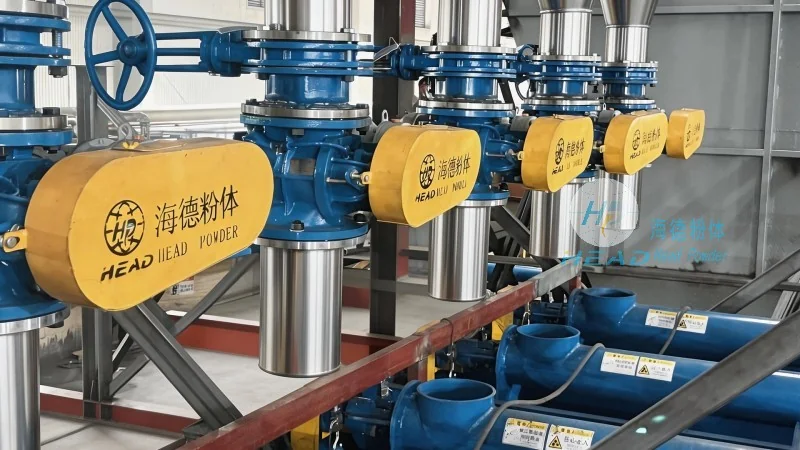
Cereal powder conveying machines find widespread application in various food processing operations. In the production of breakfast cereals, for instance, these machines are used to transport raw cereal powders from storage to the mixing and extrusion lines. They are also used in the processing of flour and other grain products, where efficient handling is essential to maintain product quality and consistency. Additionally, they play a role in the packaging process, where the powder is conveyed from the production line to the packaging machines. The ability to handle large volumes of powder quickly and reliably makes these machines indispensable in modern food processing facilities. They contribute to increased productivity, reduced labor costs, and improved product quality by ensuring that the powder is handled in a controlled and hygienic manner.
Choosing the Right Cereal Powder Conveying Machine
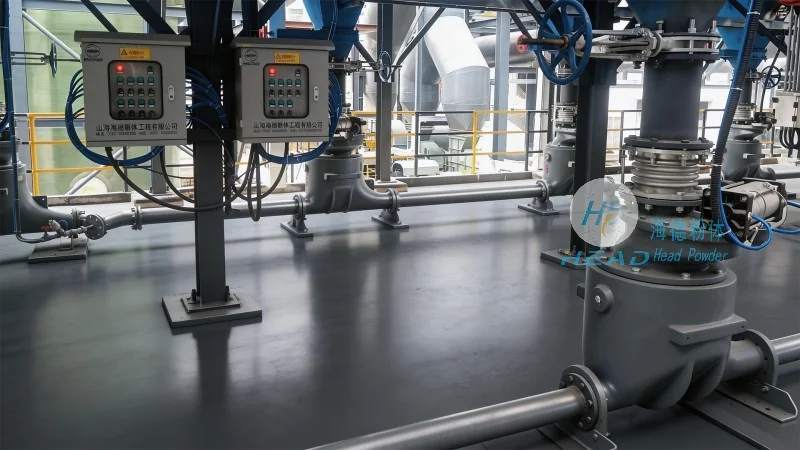
When selecting a cereal powder conveying machine for a specific application, several factors must be considered. The first is the type of powder being handled, as different powders have different flow characteristics and may require different conveying methods. For instance, a fine, cohesive powder might be better suited to a vibratory conveyor, while a bulkier, less cohesive powder might be handled by a screw conveyor. The second factor is the distance and layout of the production facility. The machine must be able to cover the required distance efficiently without excessive energy consumption or pressure drops. The third factor is the required flow rate and capacity. The machine must be capable of handling the desired volume of powder to meet production demands. Finally, the cost and maintenance requirements must be considered. The initial investment and ongoing maintenance costs should be balanced against the benefits of increased efficiency and product quality. Consulting with a reputable manufacturer, such as Shandong HeadPowder Engineering Co., Ltd., can provide valuable guidance in selecting the right machine for a specific application.
Conclusion
In conclusion, a cereal powder conveying machine is a vital piece of equipment in the food processing industry, designed to efficiently handle and transport cereal powders. Its design is guided by principles that address the unique challenges of powder flow, dust control, and hygiene. By understanding the components and operation of these machines, as well as the factors to consider when selecting one, food processing facilities can improve their operational efficiency and product quality. The importance of choosing the right machine cannot be overstated, as it directly impacts the overall productivity and success of the production process. With proper selection and maintenance, a cereal powder conveying machine can provide reliable and efficient service for many years, contributing to the smooth operation of food processing facilities.