

What is an Expanded Clay Aggregate Powder Conveying System? And What Are Its Design Principles?
Expanded clay aggregate powder conveying systems are specialized equipment designed to transport fine powders, such as expanded clay aggregates, from one location to another. These systems are critical in industries where handling bulk materials efficiently and safely is essential. The design of such systems involves a combination of engineering principles and material science to ensure optimal performance, reliability, and cost-effectiveness.
Key Components of a Powder Conveying System
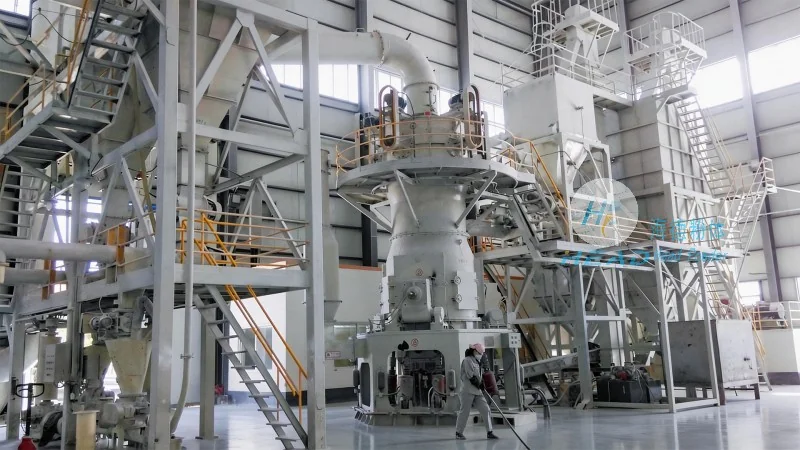
At the core of any powder conveying system are several key components that work in tandem to facilitate material transport. The primary components include a hopper or feeder to store and meter the powder, a conveying mechanism (either pneumatic or mechanical), a control system to regulate flow, and a discharge outlet for the material. The choice of components depends on the specific characteristics of the powder, such as particle size, moisture content, and flowability, as well as the distance and elevation changes required for transport.
Design Principles for Efficient Powder Handling
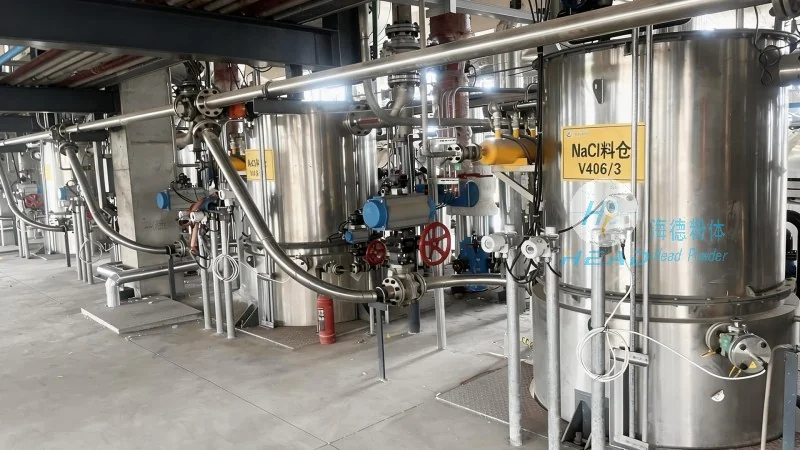
The design principles of a powder conveying system are centered on ensuring consistent and reliable material flow while minimizing issues like clogging, blockages, and material degradation. One of the fundamental principles is the use of appropriate air velocity in pneumatic systems, which must be sufficient to lift and transport the powder particles without causing excessive wear on components. For mechanical systems, the design focuses on the selection of suitable conveyor belts, screws, or buckets that can handle the specific properties of the expanded clay aggregate powder. Additionally, the system must incorporate features like vibration or agitation to prevent material buildup and ensure smooth operation.
How the System Works: From Hopper to Discharge
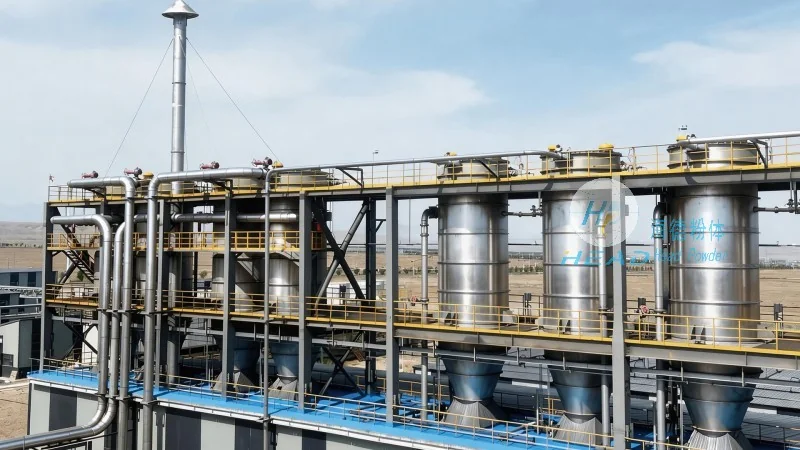
The operation of an expanded clay aggregate powder conveying system typically begins with the powder being fed into a hopper. The hopper is designed to maintain a consistent material level and can be equipped with a feeder, such as a rotary valve or a screw feeder, to control the flow rate. Once the powder is metered, it is introduced into the conveying line. In pneumatic systems, the powder is mixed with air and drawn through the system by a vacuum or pressure source. The air-powder mixture travels through the pipeline, and the powder is separated from the air at the discharge point, often using a cyclone separator or a filter. In mechanical systems, the powder is transported by a rotating screw or belt that moves the material along the pipeline. The discharge outlet is then connected to the receiving equipment, such as a storage silo or a processing machine.
Applications and Benefits of Powder Conveying Systems
Expanded clay aggregate powder conveying systems are widely used in various industries, including construction, agriculture, and industrial manufacturing. In the construction industry, these systems are essential for transporting expanded clay aggregates, which are used as lightweight aggregates in concrete and other building materials. The benefits of using such systems include improved safety by reducing manual handling of powders, increased efficiency by automating the material transport process, and reduced material loss due to better control over flow rates. Additionally, the systems help maintain the quality of the powder by preventing contamination and degradation during transport.
About Shandong HeadPowder Engineering Co., Ltd.
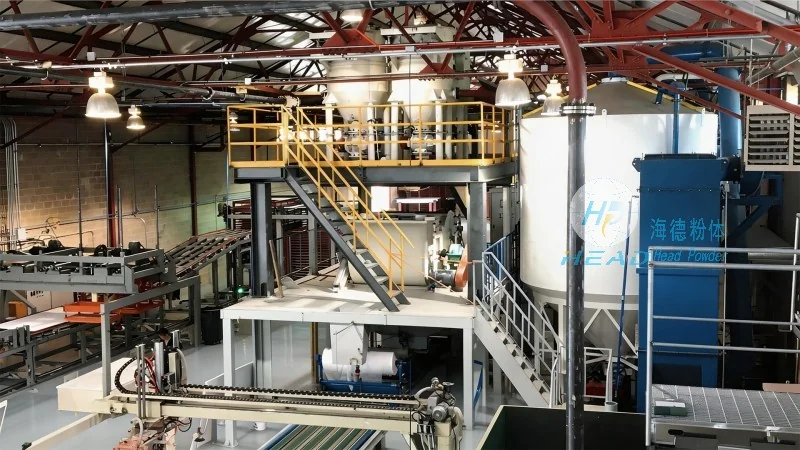
Shandong HeadPowder Engineering Co., Ltd., commonly known as HeadPowder, is a leading manufacturer of specialized powder handling equipment. With a focus on innovation and quality, HeadPowder designs and manufactures expanded clay aggregate powder conveying systems that meet the highest industry standards. The company is headquartered in Shandong, China, and has a strong reputation for delivering reliable and efficient solutions for bulk material transport. HeadPowder's expertise lies in understanding the unique challenges of handling fine powders and developing systems that address these challenges effectively. The company's commitment to customer satisfaction and technical excellence has made it a trusted partner for businesses in need of advanced powder conveying solutions.