

What is a Battery Material Powder Conveying System Equipment? What are its Design Principles?
Battery material powder conveying system equipment is a specialized industrial solution designed to handle and transport fine powders used in the production of lithium-ion batteries and other energy storage devices. These systems are crucial for ensuring efficient, safe, and consistent material handling throughout the battery manufacturing process. The equipment plays a vital role in maintaining the quality and purity of battery materials, which directly impacts the performance and longevity of the final battery products.
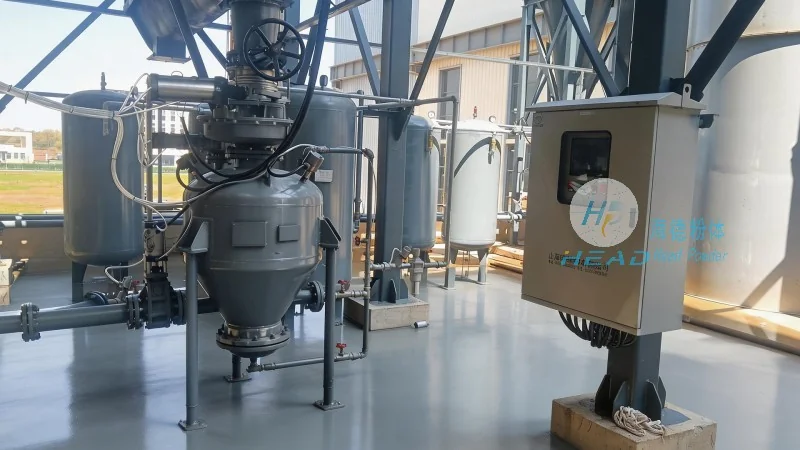
Key Components of the Powder Conveying System
The battery material powder conveying system typically consists of several key components that work in tandem to achieve effective material transport. These components include feeders, conveyors, dust collectors, and control systems. Each component is engineered to handle the specific characteristics of battery powders, such as high conductivity, moisture sensitivity, and abrasive properties. The feeders are responsible for accurately measuring and dispensing the powder, while the conveyors ensure smooth and continuous movement. Dust collectors are integrated to maintain a clean and safe working environment by capturing and filtering airborne particles. The control systems provide real-time monitoring and adjustment of the conveying process, ensuring optimal performance and preventing material loss or contamination.
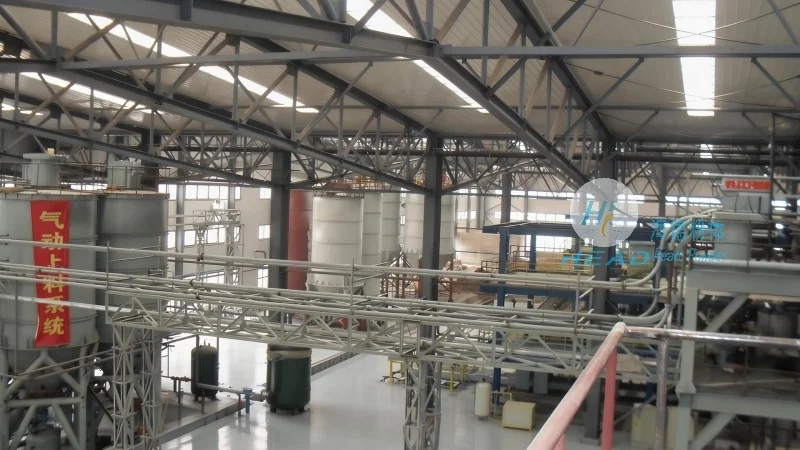
Design Principles of the System
The design principles of the battery material powder conveying system are centered on efficiency, safety, and material integrity. One of the primary design considerations is the prevention of material degradation and contamination. This is achieved through the use of sealed and enclosed systems that minimize exposure to air and moisture. The equipment is also designed to handle the high temperatures and pressures that may be encountered during the battery manufacturing process. Another key principle is the optimization of energy consumption. The system is engineered to operate with minimal energy input while maintaining high throughput rates. This not only reduces operational costs but also aligns with sustainability goals in the battery industry. Additionally, the design emphasizes ease of maintenance and cleaning to ensure consistent performance over time. The components are constructed from materials that are resistant to corrosion and wear, reducing the need for frequent replacements and downtime.
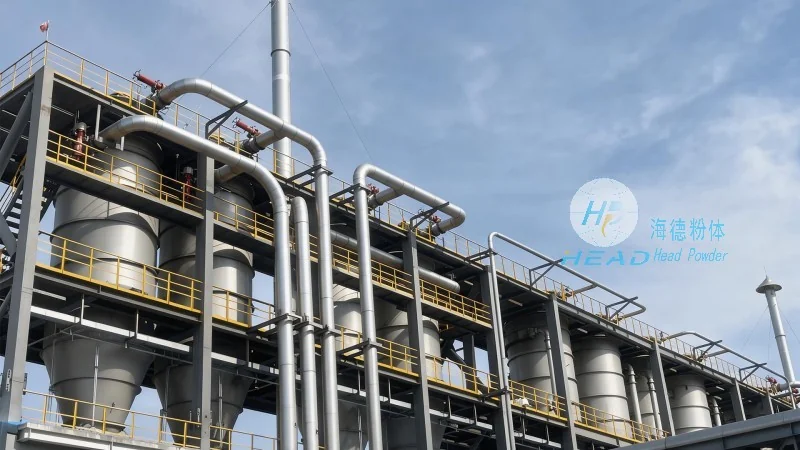
Applications in Battery Manufacturing
The battery material powder conveying system is widely used in various stages of battery production, from raw material handling to final assembly. In the raw material stage, the system efficiently transports materials like lithium carbonate, nickel oxide, and cobalt oxide from storage to processing equipment. During the mixing and blending stage, the system ensures uniform distribution of the powders, which is critical for achieving the desired chemical composition and performance characteristics of the battery. In the electrode manufacturing stage, the system delivers the mixed powders to the coating and pressing machines, where they are converted into electrode sheets. The consistent and controlled delivery of materials is essential for maintaining the uniformity and quality of the electrodes. Finally, in the cell assembly stage, the system may be used to transport the finished electrodes and other components to the cell formation and packaging lines. The reliability and precision of the powder conveying system are therefore fundamental to the overall efficiency and quality of the battery manufacturing process.
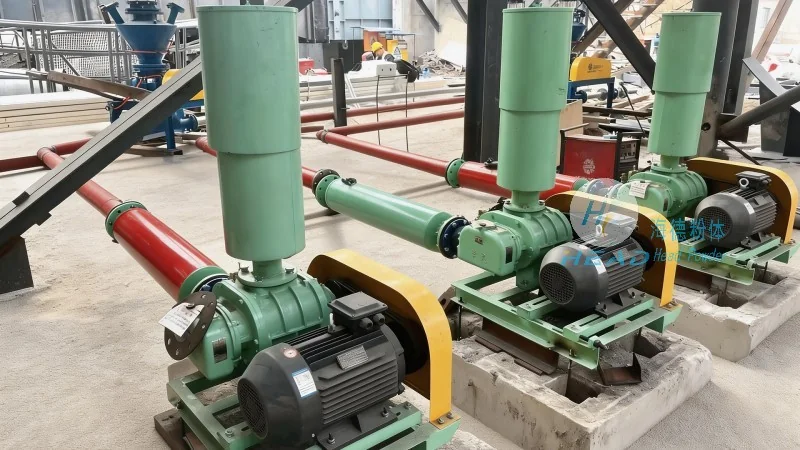
Advantages of Using a Specialized Conveying System
Implementing a specialized battery material powder conveying system offers several significant advantages over traditional methods. First, it significantly improves material handling efficiency by reducing the time and labor required for manual handling. The automated system ensures consistent and precise material flow, minimizing errors and waste. Second, it enhances safety by eliminating the need for workers to handle hazardous powders directly, reducing the risk of exposure to dust and other contaminants. The enclosed design of the system also helps to prevent dust explosions, which are a major safety concern in powder handling operations. Third, the system improves product quality by maintaining the purity and integrity of the battery materials. This leads to better battery performance, longer lifespan, and higher energy density. Fourth, it reduces operational costs through lower energy consumption and reduced maintenance requirements. The long-term savings from improved efficiency and reduced downtime make the investment in a specialized conveying system highly beneficial for battery manufacturers. Finally, the system contributes to environmental sustainability by minimizing material loss and reducing the generation of waste and emissions.