

What is Positive Pressure Pneumatic Conveying? What Are Its Design Principles?
Positive pressure pneumatic conveying is a widely used method for transporting bulk materials in various industrial applications. This technology involves the use of a positive pressure system to move powders, granules, and other particulate materials through a pipeline. Unlike negative pressure systems, which rely on suction, positive pressure systems generate pressure within the conveying line, pushing the material forward. This approach offers several advantages, including the ability to handle a wide range of materials, maintain product integrity, and operate in environments where dust control is critical.
The Core Design Principles of Positive Pressure Pneumatic Conveying
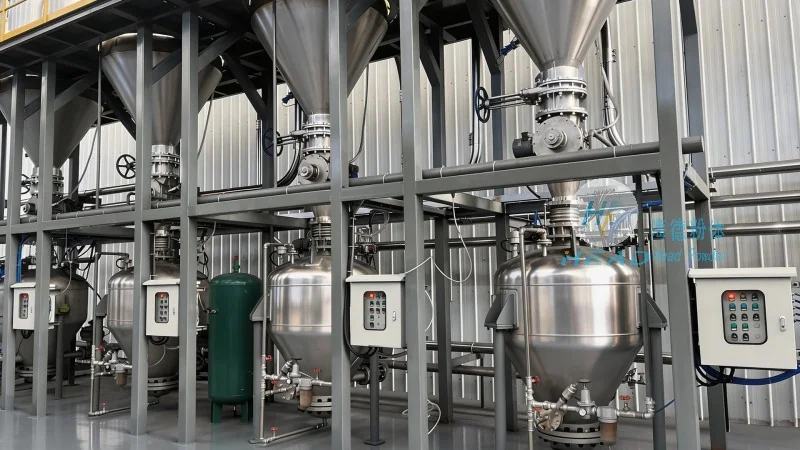
The design of a positive pressure pneumatic conveying system is based on several key principles that ensure efficient and reliable material transport. The primary components include a blower or compressor, a hopper or feed system, a conveying line, and a discharge or collection unit. The system operates by drawing material from a hopper and feeding it into the conveying line under pressure. The pressure is typically generated by a positive displacement blower, which provides a consistent flow of air or gas to push the material through the pipeline. The design must consider factors such as material properties, conveying distance, and system capacity to ensure optimal performance.
Key Components and Their Functions in a Positive Pressure System
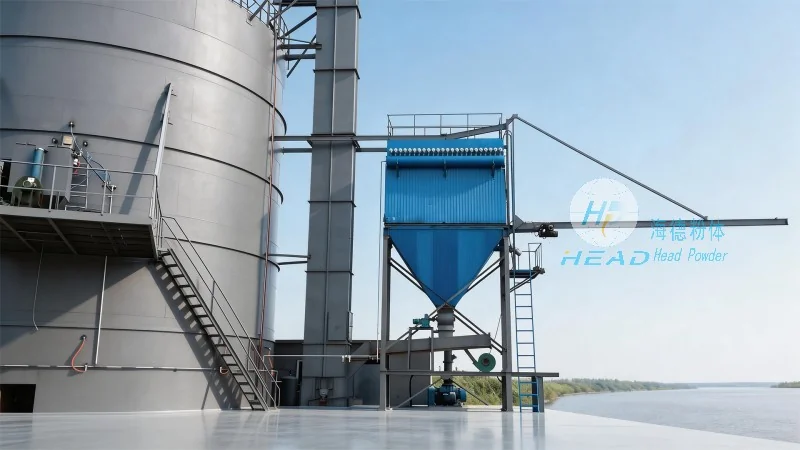
Each component of a positive pressure pneumatic conveying system plays a crucial role in the overall operation. The blower or compressor is the heart of the system, providing the necessary pressure to move the material. It is usually a positive displacement type, such as a rotary lobe or sliding vane blower, which can handle high volumes of air while maintaining stable pressure. The hopper or feed system is responsible for storing and feeding the material into the conveying line. It often includes a feeder, such as a rotary valve or screw feeder, to control the flow rate and prevent blockages. The conveying line is typically made of stainless steel or other corrosion-resistant materials to ensure durability and to prevent contamination of the material. The discharge or collection unit is where the material is deposited after being conveyed. It may include a filter or cyclone to separate the material from the air and return the air to the system for recirculation.
Advantages of Positive Pressure Pneumatic Conveying
Positive pressure pneumatic conveying offers several advantages over other material handling methods. One of the main benefits is the ability to handle a wide variety of materials, including abrasive, corrosive, and sensitive products. The system can transport materials over long distances with minimal product degradation, as the material is not exposed to external elements. Additionally, the positive pressure system provides better dust control compared to negative pressure systems, as the air is contained within the system and does not escape into the environment. This makes it suitable for applications where dust is a concern, such as in pharmaceutical or food processing industries. The system also allows for easy integration with other processing equipment, as the material can be discharged directly into a mixer, reactor, or storage tank.
Applications and Industries Using Positive Pressure Pneumatic Conveying
Positive pressure pneumatic conveying is used in a wide range of industries, including chemical, pharmaceutical, food, and agriculture. In the chemical industry, it is used to transport powders and granules for processing and packaging. In the pharmaceutical industry, it is essential for handling sensitive materials, such as active pharmaceutical ingredients (APIs), where product integrity and contamination control are critical. The food industry uses this technology to transport ingredients like flour, sugar, and spices, ensuring that the products remain fresh and free from contamination. In the agricultural sector, it is used to handle grain and other bulk agricultural products, facilitating efficient storage and transportation.
Design Considerations for Optimal Performance
Designing an effective positive pressure pneumatic conveying system requires careful consideration of several factors. The first consideration is the material properties, such as particle size, density, and flowability. These factors determine the appropriate conveying velocity and pressure required to move the material. The second consideration is the conveying distance and elevation changes, as these affect the energy consumption and system capacity. The third consideration is the system capacity, which must be matched to the production requirements to avoid bottlenecks or overloading. Additionally, the system must be designed to handle variations in material feed, such as fluctuations in bulk density or flow rate, to ensure consistent performance. Proper maintenance and monitoring of the system are also essential to ensure long-term reliability and efficiency.
Leading Solutions from Shandong HeadPowder Engineering Co., Ltd.
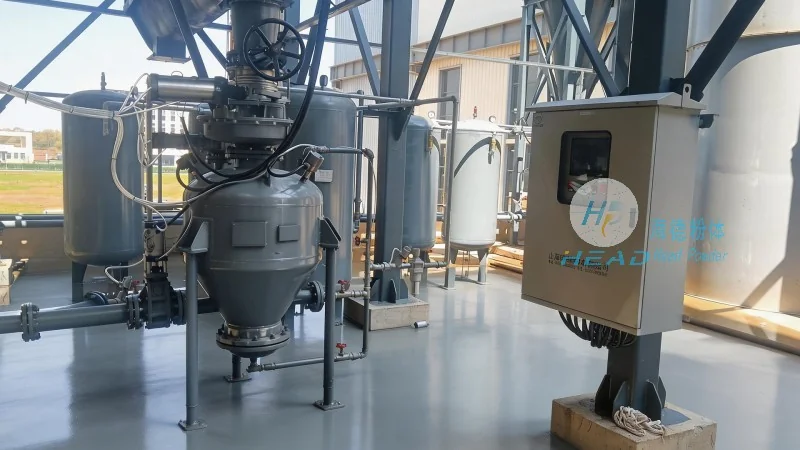
Shandong HeadPowder Engineering Co., Ltd., a prominent manufacturer based in China, specializes in the design and production of advanced pneumatic conveying systems. With years of experience in the industry, the company has developed state-of-the-art positive pressure systems that meet the diverse needs of various industries. The company's expertise lies in understanding the unique requirements of each application and providing customized solutions that ensure optimal performance and reliability. HeadPowder's systems are known for their durability, efficiency, and ability to handle a wide range of materials, making them a preferred choice for many industrial applications.
Conclusion: The Role of Positive Pressure Pneumatic Conveying in Modern Manufacturing
Positive pressure pneumatic conveying is a vital technology in modern manufacturing, providing an efficient and reliable method for transporting bulk materials. Its design principles, based on pressure generation and material handling, offer several advantages over traditional methods. By understanding the key components and design considerations, industries can optimize their material handling processes, improve product quality, and enhance operational efficiency. As the demand for efficient and sustainable material transport increases, positive pressure pneumatic conveying will continue to play a crucial role in various industrial applications.