

Ammonium Sulfate Material Handling: What It Is and Its Design Principles
Ammonium sulfate is a widely used chemical compound in various industries, including agriculture, food processing, and industrial manufacturing. Its material handling involves the efficient movement, storage, and transfer of this substance from one point to another within a facility or between different locations. Proper material handling of ammonium sulfate is crucial for maintaining production efficiency, ensuring product quality, and adhering to safety regulations. This article explores the fundamental aspects of ammonium sulfate material handling and the key design principles that underpin effective systems.
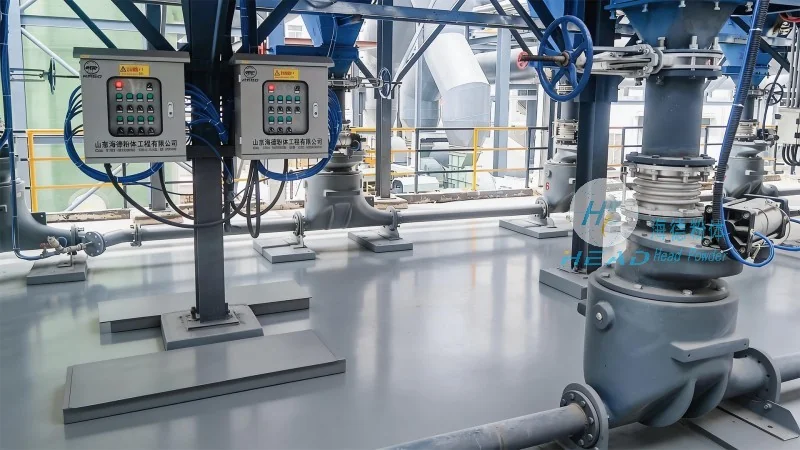
Company Overview: Shandong HeadPowder Engineering Co., Ltd.
HeadPowder, a leading engineering firm based in Shandong, China, specializes in providing comprehensive solutions for material handling and processing equipment. With years of experience in the industry, HeadPowder has developed a deep understanding of the unique challenges associated with handling ammonium sulfate and other bulk chemicals. The company's commitment to innovation, quality, and customer satisfaction has made it a trusted partner for businesses seeking reliable material handling systems. HeadPowder's expertise spans the entire lifecycle of material handling solutions, from initial design and engineering to installation and maintenance.
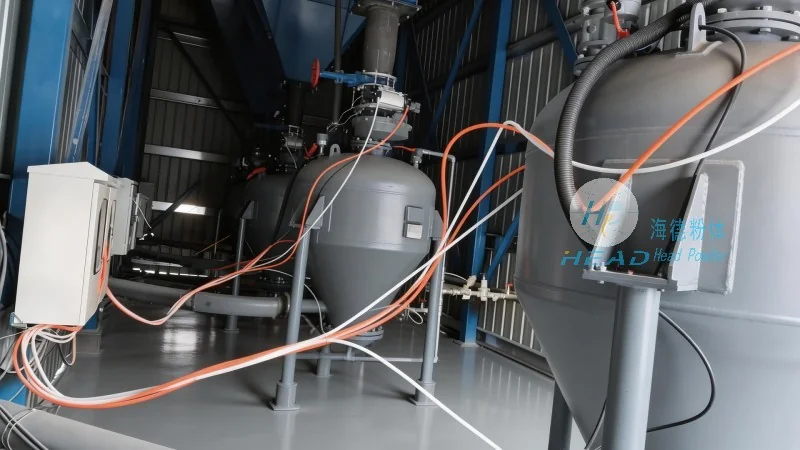
Key Design Principles for Ammonium Sulfate Material Handling Systems
Designing an effective ammonium sulfate material handling system requires careful consideration of several critical factors. First, the physical properties of ammonium sulfate, such as its bulk density, flowability, and potential for caking, must be taken into account. These properties influence the choice of equipment, such as conveyors, silos, and storage tanks. For instance, if the material tends to cake, specialized equipment like vibratory feeders or agitators may be necessary to maintain consistent flow. Second, the system must be designed to minimize dust generation and ensure proper containment, as ammonium sulfate is a fine powder that can pose health and environmental risks if not handled correctly. This often involves the use of enclosed systems, dust collection equipment, and appropriate ventilation. Third, the system should be scalable and adaptable to changing production needs. This may involve modular components that can be added or removed as required, allowing for flexibility in production volumes and product types. Additionally, energy efficiency is a key consideration, as material handling systems can consume significant amounts of power. Using energy-efficient motors, variable speed drives, and optimized system layouts can help reduce operational costs and environmental impact.
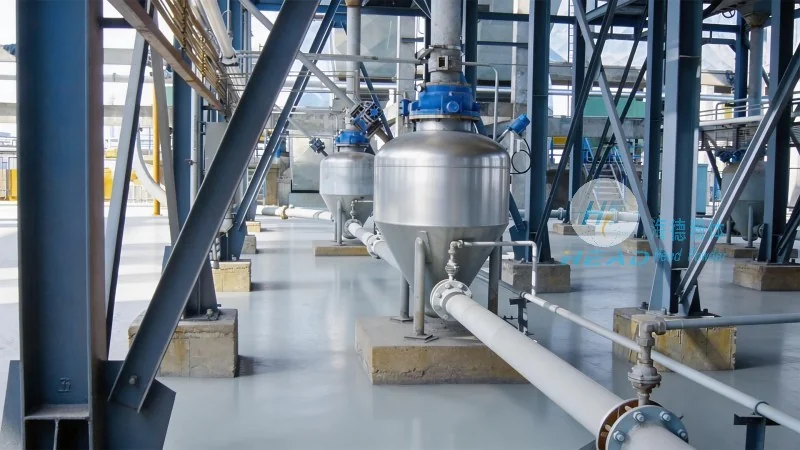
Material Handling Solutions for Ammonium Sulfate: Practical Applications and Considerations
In practice, ammonium sulfate material handling systems are tailored to the specific needs of each application. For example, in agricultural settings, the system may involve the storage of large quantities of ammonium sulfate in silos, followed by the use of belt conveyors or screw conveyors to transport the material to fertilizer blending facilities. In industrial manufacturing, the material may be used as a raw ingredient in the production of other chemicals, requiring precise dosing and mixing systems. The design of these systems must also consider the environmental impact of the material, as ammonium sulfate can be harmful to aquatic life if released into water bodies. Proper containment and waste management practices are therefore essential. Furthermore, the system must comply with local and national regulations regarding the handling of hazardous materials. This includes proper labeling, storage, and emergency response procedures. By addressing these considerations, businesses can ensure that their ammonium sulfate material handling systems are both efficient and compliant with regulatory requirements.
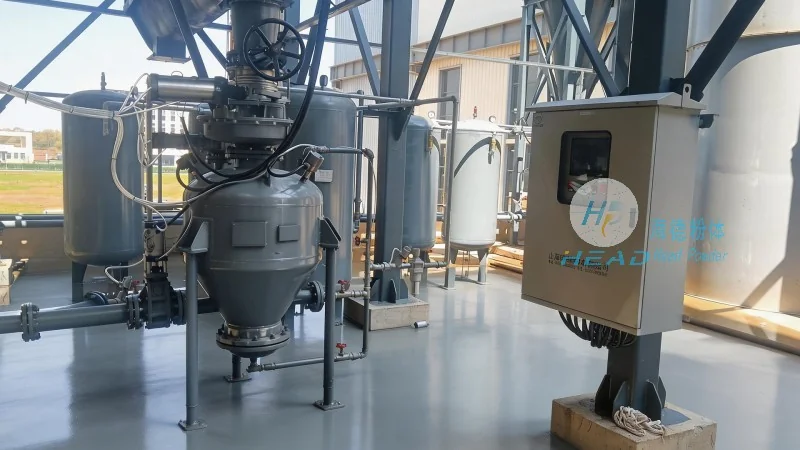
Ensuring Efficiency and Safety in Ammonium Sulfate Material Handling
Efficiency and safety are paramount in ammonium sulfate material handling. An efficient system minimizes downtime, reduces labor costs, and maximizes production output. This can be achieved through the use of automated controls, real-time monitoring, and predictive maintenance. Automated systems can adjust conveyor speeds, feeder rates, and other parameters based on real-time data, ensuring optimal performance. Real-time monitoring allows operators to detect and address issues before they become major problems, reducing the risk of equipment failure or product contamination. Predictive maintenance uses data from sensors and historical performance to schedule maintenance activities, preventing unexpected breakdowns and extending the lifespan of equipment. Safety is equally important, as ammonium sulfate is a fine powder that can cause respiratory issues if inhaled. Proper ventilation, dust collection systems, and personal protective equipment (PPE) are essential to protect workers. Additionally, the system should be designed with safety features such as emergency stop buttons, interlocks, and alarms to prevent accidents. Regular training for operators on safe handling procedures and emergency response is also crucial. By prioritizing both efficiency and safety, businesses can create a material handling system that is both productive and secure.