

What are the methods for transporting heavy calcium powder? An introduction to the advantages and characteristics of pneumatic conveying of heavy calcium powder
Heavy calcium powder, a key raw material in various industrial applications, requires efficient and reliable transportation from production sites to processing or packaging facilities. The choice of conveying method significantly impacts operational efficiency, material quality, and overall production costs. This article explores the primary methods for transporting heavy calcium powder, with a particular focus on the advantages and characteristics of pneumatic conveying, a widely adopted technology in the industry.
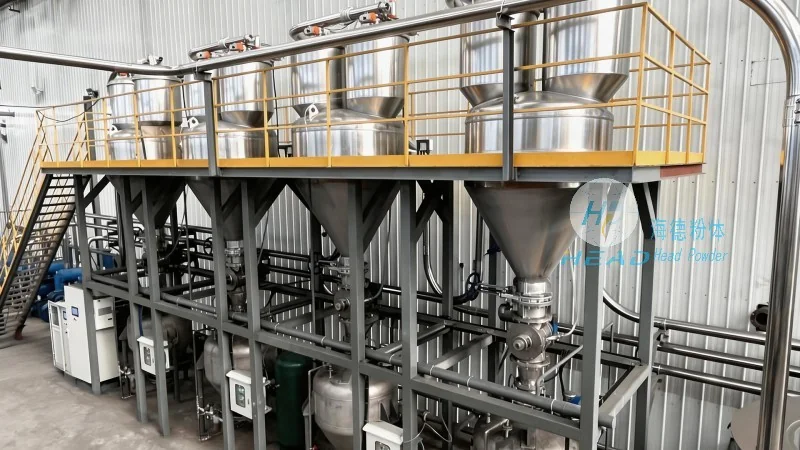
Overview of Heavy Calcium Powder Conveying Methods
Heavy calcium powder, also known as calcium carbonate powder, is commonly used in industries such as paper, plastics, coatings, and food. Its fine particle size and relatively low bulk density make traditional conveying methods like belt conveyors or screw conveyors less effective due to issues like material buildup, blockages, and dust generation. To address these challenges, specialized conveying systems have been developed, with pneumatic conveying emerging as a preferred solution for many applications.
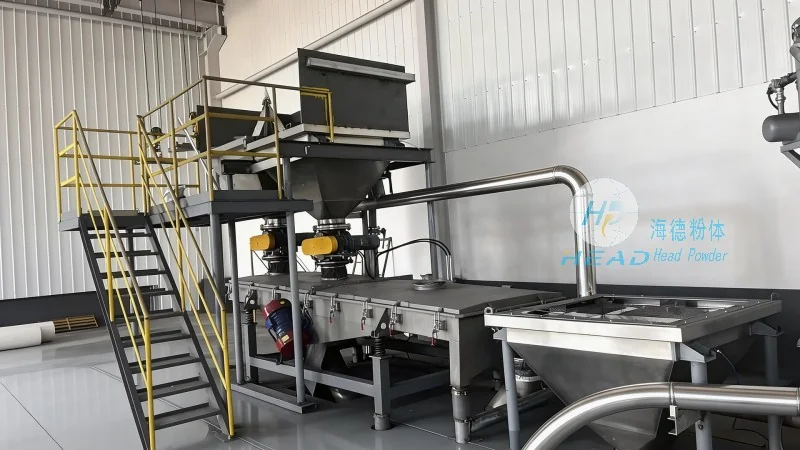
Pneumatic Conveying: The Preferred Method for Heavy Calcium Powder
Pneumatic conveying, also called air conveying, uses compressed air to transport bulk materials like heavy calcium powder through a pipeline system. This method offers several advantages over traditional mechanical conveying systems, making it ideal for handling fine powders. The primary benefits include:
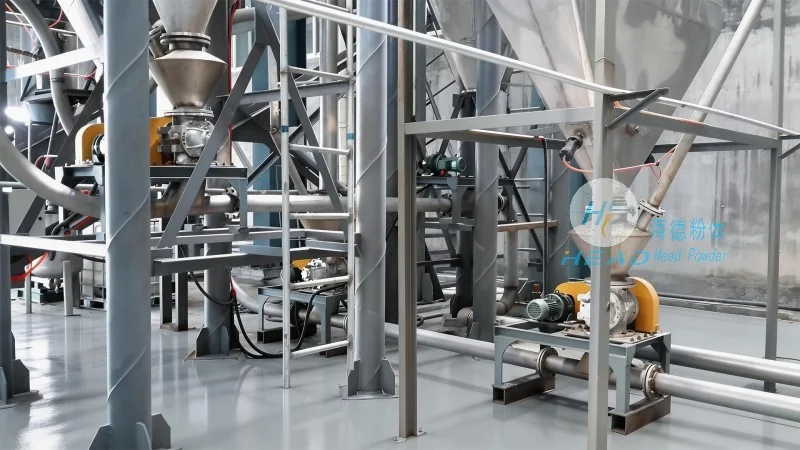
- Non-Contact Conveying: Since the material is transported without physical contact with the conveying equipment, there is minimal wear and tear on the powder particles, preserving their quality and preventing contamination.
- Reduced Dust and Contamination: The enclosed pipeline system effectively contains dust, reducing environmental pollution and ensuring a cleaner working environment. This is particularly important for heavy calcium powder, which can be a respiratory irritant if not handled properly.
- Flexibility in Layout: Pneumatic conveying systems can be easily reconfigured or expanded to accommodate changes in production processes or facility layouts. The ability to install vertical or horizontal pipelines allows for efficient use of space, even in compact industrial settings.
- Energy Efficiency: Modern pneumatic conveying systems are designed to optimize energy consumption. By using appropriate air pressure and flow rates, operators can achieve efficient material transport while minimizing operational costs.
- Continuous Operation: Unlike some mechanical systems that may experience downtime due to maintenance or blockages, pneumatic conveying systems can operate continuously, ensuring a steady supply of heavy calcium powder to downstream processes.
Key Components of a Heavy Calcium Powder Pneumatic Conveying System
A typical pneumatic conveying system for heavy calcium powder consists of several key components, each playing a critical role in the overall operation. These components include:
- Feeder: The feeder is responsible for accurately and consistently feeding the heavy calcium powder into the conveying line. For fine powders like heavy calcium, a rotary valve or a screw feeder is commonly used to ensure a smooth and controlled flow.
- Compressor: The compressor generates the compressed air required to move the powder through the pipeline. The choice of compressor (e.g., rotary screw or reciprocating) depends on factors such as the system's capacity, pressure requirements, and energy efficiency goals.
- Pipeline: The pipeline, usually made of stainless steel or other corrosion-resistant materials, transports the powder and air mixture. The design of the pipeline, including the use of bends, elbows, and expansion joints, is crucial for maintaining efficient flow and preventing pressure losses.
- Separators and Filters: These components are used to separate the powder from the air at the end of the conveying line. The separator collects the heavy calcium powder, while the filter removes any remaining dust particles from the exhaust air, ensuring compliance with environmental regulations and maintaining air quality.
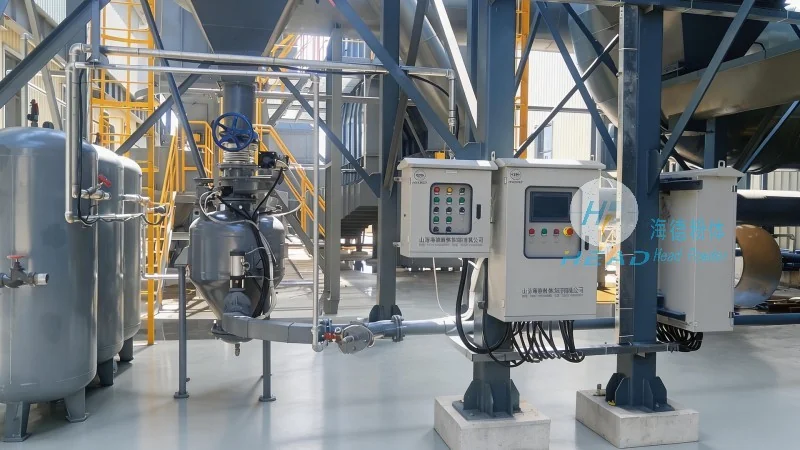
- Control System: The control system monitors and regulates the operation of the entire pneumatic conveying system. It adjusts air pressure, flow rates, and feeder speeds to maintain optimal performance and prevent issues such as blockages or overloading.
Advantages of Pneumatic Conveying for Heavy Calcium Powder
When compared to other conveying methods, pneumatic conveying offers distinct advantages for heavy calcium powder. The non-contact nature of the process preserves the powder's quality, which is essential for applications where particle size and purity are critical. The enclosed system reduces dust exposure, enhancing workplace safety and compliance with occupational health standards. Additionally, the flexibility and scalability of pneumatic conveying systems make them suitable for both small-scale and large-scale production facilities.
Conclusion
For industries dealing with heavy calcium powder, selecting the right conveying method is crucial for maintaining operational efficiency and product quality. Pneumatic conveying stands out as a superior option due to its ability to handle fine powders effectively, minimize dust and contamination, and provide flexible, continuous operation. By understanding the key components and advantages of pneumatic conveying systems, manufacturers can make informed decisions to optimize their material handling processes. As a leading provider of engineering solutions for bulk material handling, Shandong HeadPowder Engineering Co., Ltd. specializes in designing and implementing customized pneumatic conveying systems tailored to the specific needs of heavy calcium powder applications.