

What is Diatomite Powder Material Handling? What are the Design Principles?
Understanding the efficient handling of diatomite powder is crucial for industries relying on this lightweight, porous material. Diatomite, a sedimentary rock formed from fossilized diatoms, is widely used in filtration, insulation, and as a filler in various applications. However, its fine, powdery nature presents unique challenges during material handling, making specialized equipment and design principles essential for safe and effective operation.
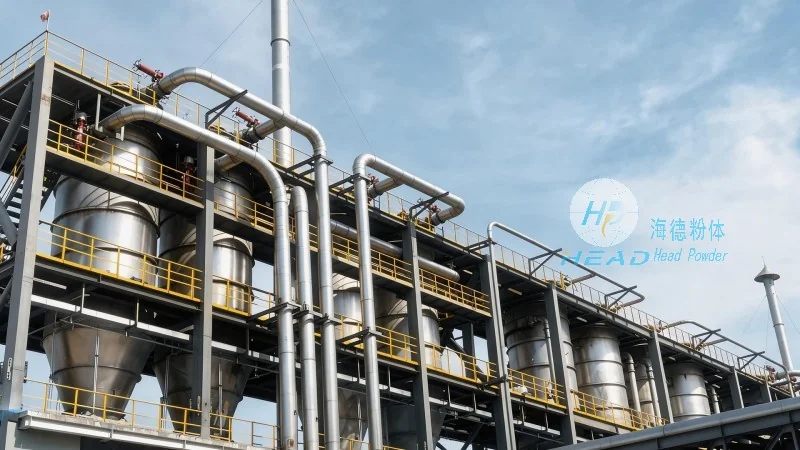
Key Characteristics of Diatomite Powder Affecting Handling
Diatomite powder is characterized by its low bulk density, high surface area, and tendency to generate dust. These properties influence the choice of handling equipment and the design of material flow systems. The material's friability and ability to become airborne during transfer require careful consideration of dust suppression measures and equipment sealing. Additionally, diatomite's low moisture content and non-adhesive nature can affect how it behaves in storage and transport, impacting the selection of bulk handling solutions.
Design Principles for Diatomite Powder Material Handling Systems
The design of diatomite powder handling systems must prioritize dust control, material flow optimization, and equipment durability. Key design principles include:
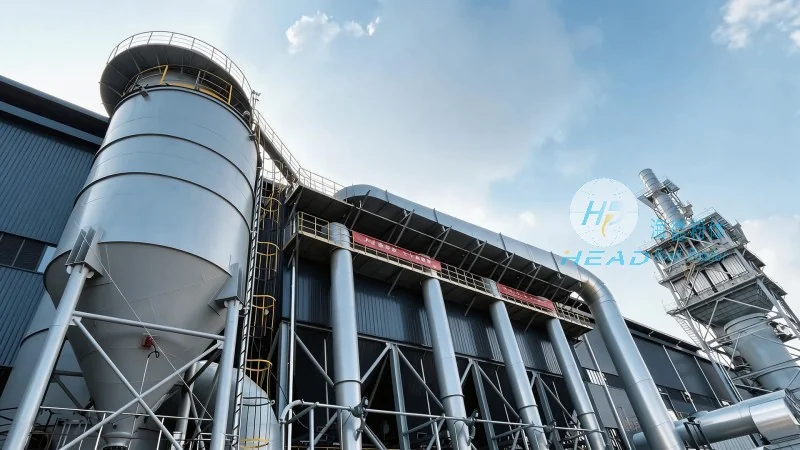
- Sealed and enclosed systems to prevent dust emission and protect personnel.
- Use of low-friction, non-stick surfaces in hoppers and chutes to minimize material buildup and caking.
- Integration of dust collection systems, such as baghouses or cartridge filters, to capture airborne particles and ensure compliance with environmental regulations.
- Properly sized and inclined chutes to maintain material flow without excessive pressure drop, reducing the risk of blockages.
- Equipment maintenance plans that address the unique wear patterns of diatomite on components like conveyor belts and rotary valves.
Equipment Selection for Diatomite Powder Handling
Several types of equipment are commonly used in diatomite powder handling, each suited to different operational needs. Conveyors, such as belt or screw conveyors, are effective for horizontal or slight incline transport, while pneumatic conveying systems are ideal for long-distance or vertical transport. Rotary valves and feeders are critical for controlling material flow from storage silos to processing equipment, ensuring consistent feed rates and preventing surges.
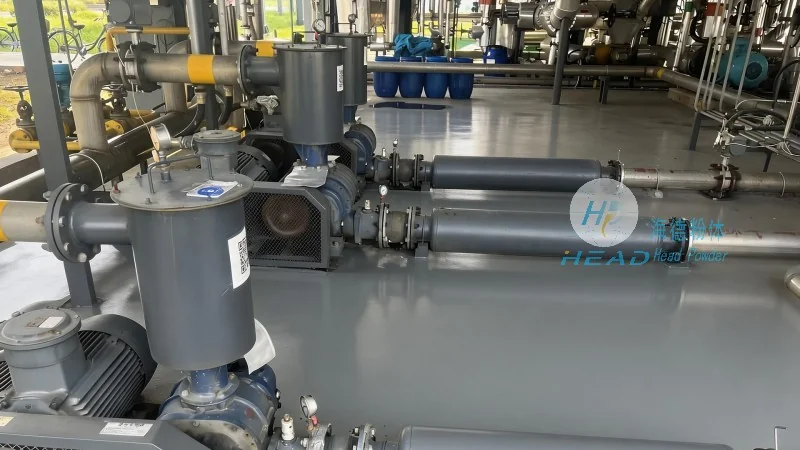
For bulk storage, silos and hoppers are designed with smooth, rounded interiors to avoid material accumulation and reduce the risk of bridging or rat-holing. The use of air classifiers or de-dusters may also be incorporated to improve material quality and reduce dust generation during handling.
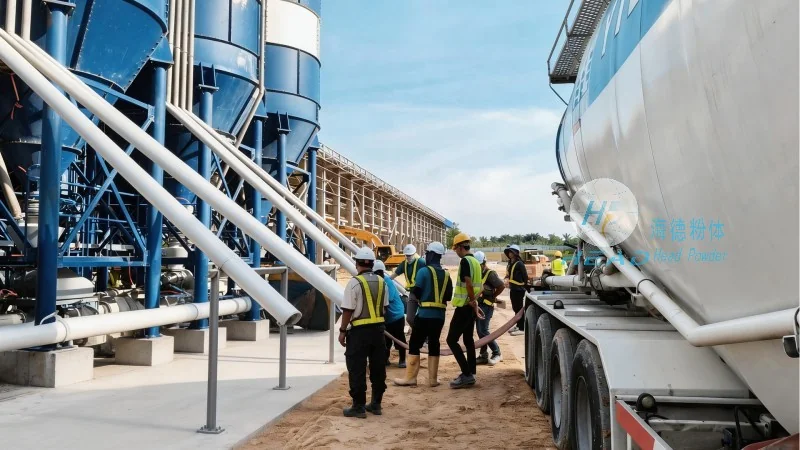
Company Overview: Shandong HeadPowder Engineering Co., Ltd.
Shandong HeadPowder Engineering Co., Ltd., based in China, specializes in the design and implementation of material handling solutions tailored to the unique needs of diatomite and other fine powders. With years of experience in the industry, the company provides comprehensive services, including system design, equipment selection, and installation, ensuring that clients achieve efficient, safe, and cost-effective material handling operations.
HeadPowder's expertise lies in understanding the physical properties of diatomite and translating them into practical solutions that address the challenges of dust control, material flow, and equipment longevity. By leveraging advanced engineering principles and industry best practices, the company helps businesses optimize their diatomite handling processes, minimizing downtime and operational costs.