

What is an Intermittent Material Handling System? And What Are Its Design Principles?
Intermittent material handling systems are critical components in various industrial and manufacturing settings, designed to transport materials in a non-continuous manner. Unlike continuous systems that operate at a constant rate, intermittent systems move materials in discrete cycles or batches, making them suitable for applications where precise control over material flow is essential. These systems are widely used in industries such as pharmaceuticals, food processing, and chemical manufacturing, where product integrity and process efficiency are paramount.
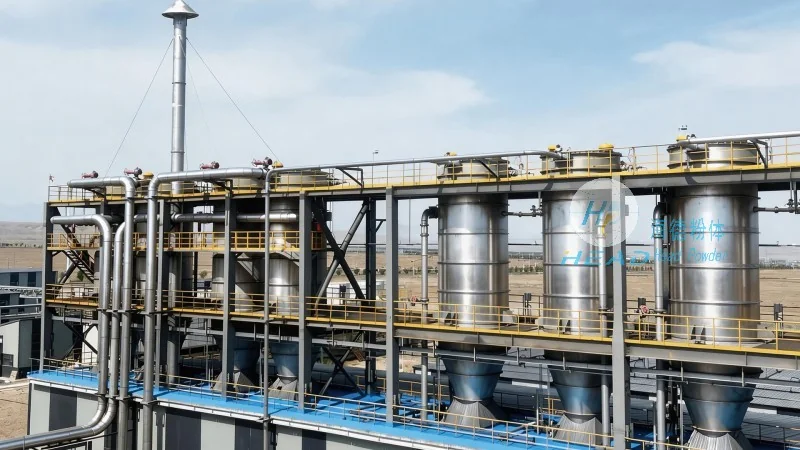
The Core Design Principles of Intermittent Material Handling Systems
The design of an intermittent material handling system is built on several key principles that ensure reliable and efficient operation. One of the primary principles is the use of controlled motion, which allows for the precise movement of materials from one point to another without excessive speed or acceleration. This controlled motion minimizes product damage and ensures that sensitive items are handled gently. Another critical principle is the integration of safety features, including emergency stop mechanisms and overload protection, to prevent accidents and maintain operational safety. Additionally, the design emphasizes modularity and flexibility, enabling systems to be easily adapted to changing production requirements or product types. By adhering to these principles, manufacturers can develop systems that meet specific operational needs while maintaining high standards of performance and reliability.
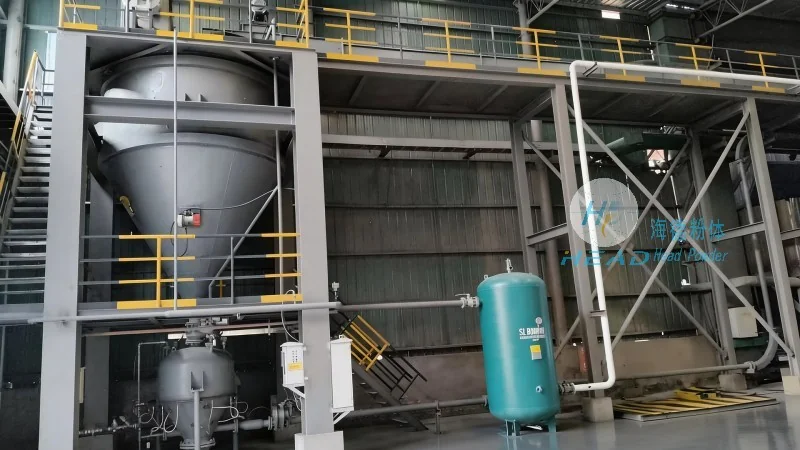
Key Components and Functional Aspects of Intermittent Material Handling Systems
At the heart of an intermittent material handling system are several key components that work in concert to achieve the desired material transport. These components include conveyors, such as chain conveyors or belt conveyors, which provide the primary means of moving materials. Additionally, there are control systems, typically involving programmable logic controllers (PLCs), that manage the timing and sequencing of material movement. Sensors and feedback devices are also integral, as they monitor the position and status of materials, ensuring that the system operates correctly and alerts operators to any issues. The system may also incorporate storage and buffering elements, such as hoppers or bins, to manage material flow and prevent bottlenecks. Each component is carefully selected and integrated to ensure that the system operates smoothly and efficiently, with minimal downtime.
Applications and Benefits of Intermittent Material Handling Systems
Intermittent material handling systems find applications in a wide range of industries, each benefiting from their unique advantages. In the pharmaceutical industry, for example, these systems are used to transport sensitive medications and packaging materials, ensuring that products are handled with the utmost care to maintain sterility and quality. In food processing, intermittent systems are employed to move ingredients and finished products, often in clean and sanitary environments, to meet regulatory standards. The chemical manufacturing sector also relies on these systems to transport hazardous materials safely and efficiently. The benefits of using intermittent material handling systems include improved process control, reduced product damage, enhanced safety, and increased operational flexibility. By optimizing material flow, these systems help manufacturers achieve higher productivity and lower operational costs, making them a valuable investment for any production facility.
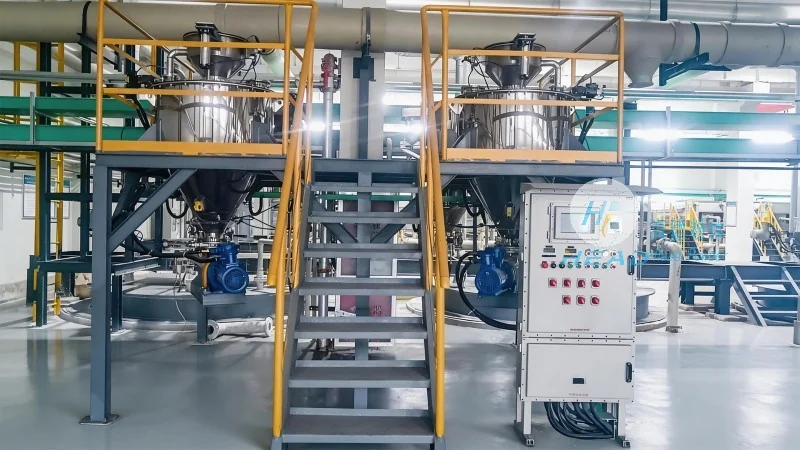
About Shandong HeadPowder Engineering Co., Ltd.
Shandong HeadPowder Engineering Co., Ltd., commonly known as HeadPowder, is a leading provider of material handling solutions, specializing in the design and manufacturing of intermittent material handling systems. With a strong commitment to quality and innovation, HeadPowder has established itself as a trusted partner for industries seeking reliable and efficient material transport solutions. The company's headquarters is located in Shandong, China, where it leverages advanced technology and expertise to develop customized systems tailored to the specific needs of its clients. HeadPowder's team of engineers and technicians work closely with customers to understand their operational challenges and provide tailored solutions that enhance productivity and safety. By combining cutting-edge design with rigorous testing, HeadPowder ensures that its systems meet the highest standards of performance and durability, delivering long-term value to its customers.