

What is an Automatic Weighing Material Handling System? What Are Its Design Principles?
Automatic weighing material handling systems represent a sophisticated integration of weighing technology and material handling mechanisms, designed to streamline the process of measuring and transporting bulk materials with high precision and efficiency. These systems are widely used across various industries, including food processing, pharmaceuticals, chemicals, and manufacturing, where accurate material control is critical for quality assurance and operational efficiency.
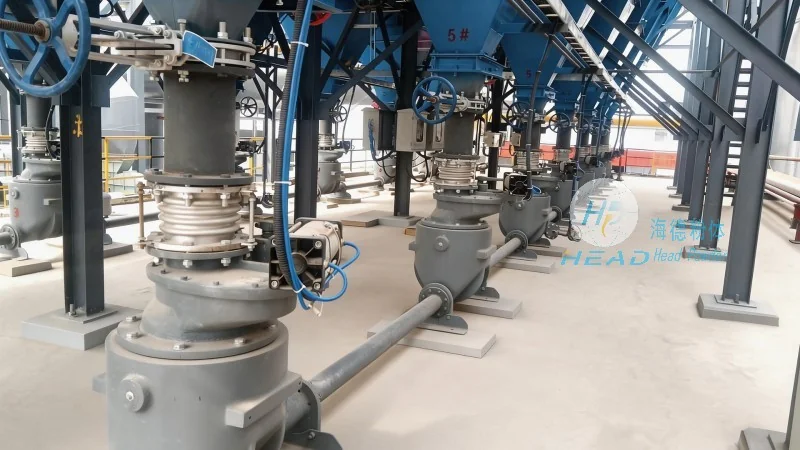
In this article, we will explore the fundamental aspects of such systems, focusing on their core design principles and the key components that enable their functionality. The information is provided by Shandong HeadPowder Engineering Co., Ltd., a leading manufacturer based in China, specializing in engineering solutions for material handling and processing.
Core Components and Design Principles
The design of an automatic weighing material handling system is built upon several critical components that work in tandem to achieve accurate weighing and reliable material transport. At the heart of the system is the weighing platform or hopper, which is equipped with high-precision load cells. These load cells convert the weight of the material into an electrical signal, which is then processed by a digital indicator or a control system. The control system, often integrated with a programmable logic controller (PLC), processes the weight data and triggers the appropriate actions, such as adjusting the flow rate of the material or activating the conveyor system.
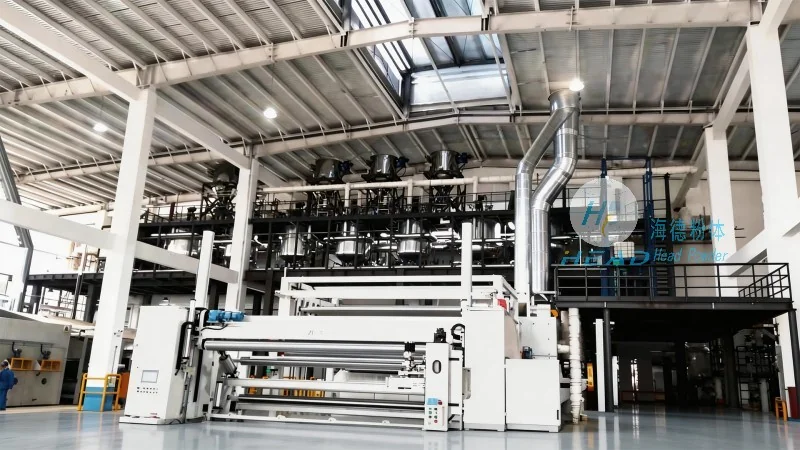
Concurrently, the material handling component, typically a conveyor belt or a screw conveyor, is responsible for transporting the material from the hopper to the discharge point. The design of the conveyor system is optimized to ensure smooth and consistent material flow, minimizing variations in weight measurement due to uneven material distribution. In many systems, a feeder mechanism is incorporated to regulate the flow rate of the material onto the weighing platform, ensuring that the load cells receive a stable and uniform load. This feeder can be a rotary valve, a vibratory feeder, or a screw feeder, depending on the material characteristics and the required accuracy.
Key Features and Advantages
Automatic weighing material handling systems offer several advantages that make them indispensable in modern industrial settings. Firstly, they provide high accuracy and repeatability in weight measurement, typically with an error margin of less than 0.1% of the rated capacity. This level of precision is essential for applications where material consistency is paramount, such as in the production of food products or pharmaceuticals. Secondly, these systems enhance operational efficiency by automating the weighing and transport processes, reducing the need for manual intervention and minimizing human error. The integration of PLC control allows for real-time monitoring and adjustment of the system parameters, ensuring optimal performance under varying conditions.
Another significant advantage is the ability to integrate with other industrial systems, such as batching systems, mixing equipment, or packaging machines. This integration enables a seamless flow of material from weighing to processing, improving overall production throughput. Additionally, the systems are designed for durability and ease of maintenance, with modular components that can be easily replaced or serviced, reducing downtime and maintenance costs.
Application Scenarios
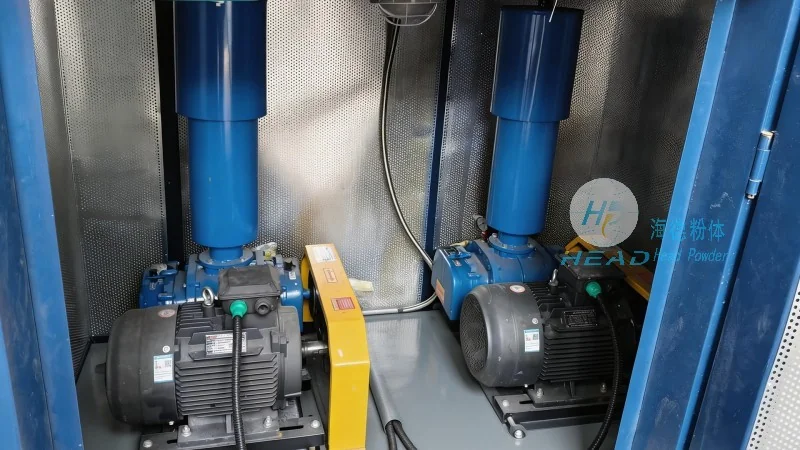
The versatility of automatic weighing material handling systems makes them suitable for a wide range of applications. In the food industry, they are commonly used for weighing ingredients like flour, sugar, and spices before mixing them into final products. In the pharmaceutical industry, these systems are employed to weigh active pharmaceutical ingredients (APIs) and excipients with extreme precision, ensuring compliance with regulatory standards. The chemical industry utilizes them for weighing raw materials like chemicals and powders during the production of coatings, adhesives, or other chemical products. In manufacturing, they are used for weighing raw materials in the production of plastics, metals, or other bulk materials, where consistent material quality is crucial for product performance.
Company Profile
Shandong HeadPowder Engineering Co., Ltd. is a reputable manufacturer based in China, dedicated to providing innovative engineering solutions for material handling and processing. With years of experience in the industry, the company specializes in designing and manufacturing automatic weighing material handling systems tailored to the specific needs of various industries. The company's products are known for their high accuracy, reliability, and durability, meeting the stringent requirements of modern industrial applications. HeadPowder Engineering is committed to delivering quality products and excellent customer service, helping clients enhance their operational efficiency and product quality.