

What is a Wood Chip Material Handling System? And What Are Its Design Principles?
Welcome to the official website of Shandong HeadPowder Engineering Co., Ltd., where we specialize in providing advanced solutions for wood chip material handling systems. In this article, we will explore the fundamental aspects of these systems, including their purpose, key components, and the underlying design principles that ensure efficient operation.
Understanding Wood Chip Material Handling Systems
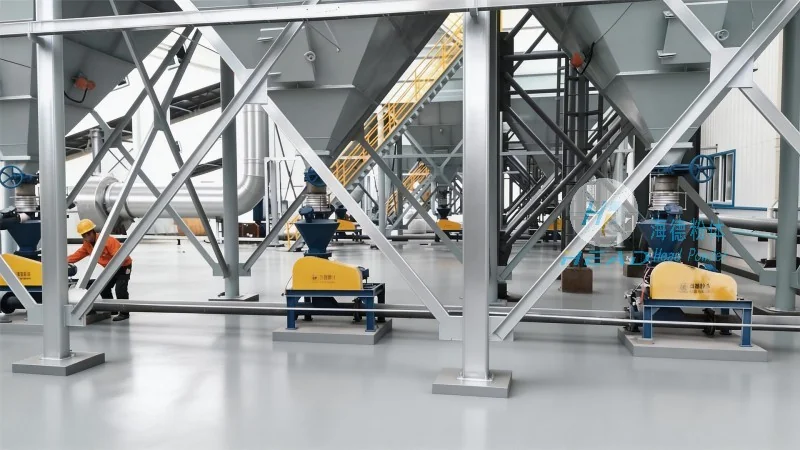
A wood chip material handling system is a specialized setup designed to transport wood chips from one location to another within a processing facility or industrial site. These systems are crucial in various industries, such as pulp and paper manufacturing, biomass energy production, and woodworking operations, where large volumes of wood chips need to be moved efficiently and safely. The primary goal of such systems is to streamline the material flow, reduce labor costs, and enhance overall operational productivity.
Key Components of a Wood Chip Material Handling System
The effectiveness of a wood chip material handling system largely depends on its integrated components, each playing a vital role in the overall operation. The main components typically include:
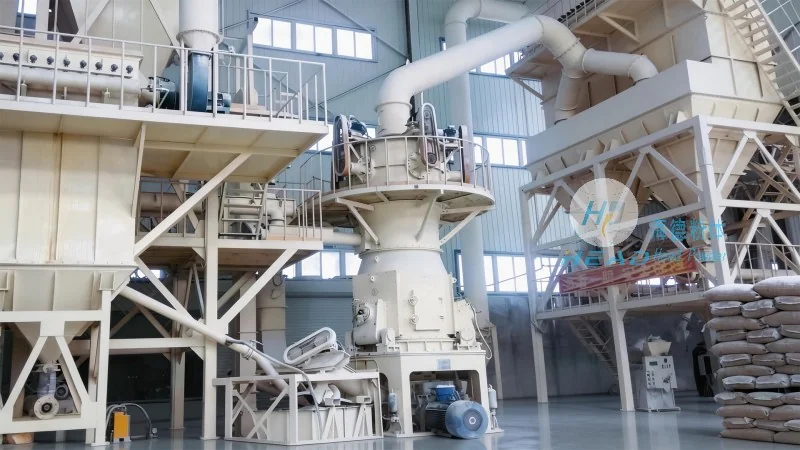
- Feeders and Hoppers: These devices are responsible for receiving and storing wood chips before they are fed into the transport mechanism. Hoppers are often designed with sloped sides to facilitate the flow of chips, while feeders ensure a consistent and controlled supply to the conveyor or other transport equipment.
- Conveyors: Conveyors are the core transport components in most material handling systems. For wood chips, common types include belt conveyors, screw conveyors, and bucket elevators. Belt conveyors are widely used due to their ability to handle large volumes and varied chip sizes, while screw conveyors are ideal for vertical or inclined transport with minimal spillage. Bucket elevators are particularly effective for vertical lifting, especially in applications where the vertical distance is significant.
- Chutes and Ducts: These are used to guide wood chips from one component to another, often in a vertical or horizontal direction. Well-designed chutes minimize friction and ensure smooth flow, preventing blockages and maintaining system efficiency.
- Control Systems: Modern wood chip material handling systems incorporate advanced control systems that monitor and regulate the operation of all components. These systems may include sensors for level detection, speed control, and overload protection, ensuring safe and efficient operation.
Design Principles for Optimal Performance
The design of a wood chip material handling system follows several key principles to ensure it operates efficiently, reliably, and safely. These principles are tailored to the specific characteristics of wood chips, such as their size, moisture content, and density.
1. Material Flow Optimization: The system is designed to minimize friction and resistance during the transport process. This involves selecting appropriate conveyor types and ensuring smooth transitions between components. For example, using belt conveyors with appropriate belt materials can reduce wear and tear, while properly angled chutes can prevent chip accumulation and blockages.
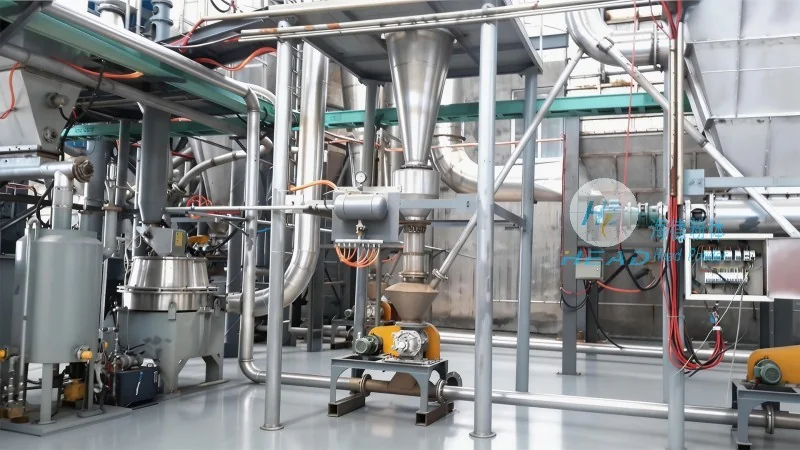
2. Scalability and Flexibility: The design allows for easy expansion or modification to accommodate changes in production volume or operational requirements. This flexibility is crucial for adapting to varying wood chip loads and processing needs.
3. Safety and Reliability: Safety is a top priority in the design of these systems. Features such as overload protection, emergency stop mechanisms, and proper guarding of moving parts are incorporated to prevent accidents and ensure reliable operation. Additionally, the use of durable materials and robust construction ensures long-term performance and minimal downtime.
4. Energy Efficiency: Modern designs emphasize energy efficiency to reduce operational costs. This may involve using variable speed drives for conveyors, optimizing the system layout to minimize the length of transport routes, and selecting energy-efficient components.
Applications and Benefits
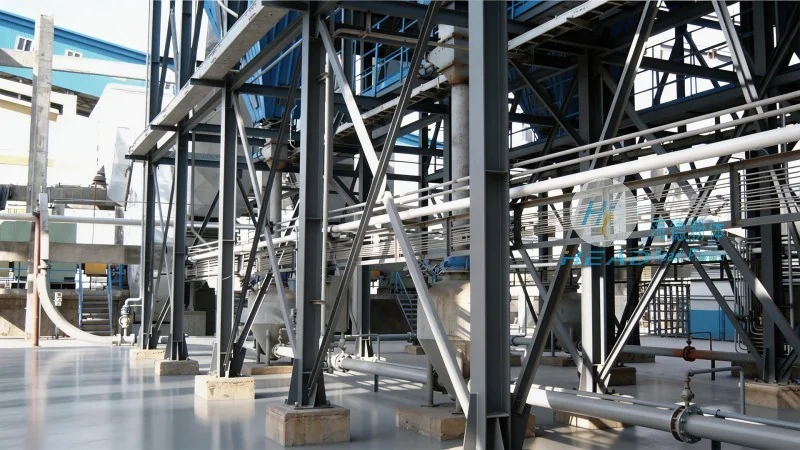
Wood chip material handling systems are widely used in various industrial applications. In the pulp and paper industry, they are essential for transporting wood chips from the debarking and chipping stages to the pulping process. In biomass energy plants, these systems help move wood chips to the combustion or gasification units for energy production. The benefits of implementing an efficient wood chip material handling system include improved productivity, reduced labor costs, enhanced safety, and lower operational expenses.
About Shandong HeadPowder Engineering Co., Ltd.
Shandong HeadPowder Engineering Co., Ltd. is a leading manufacturer and supplier of wood chip material handling systems. With a strong commitment to quality and innovation, we design and produce systems tailored to the specific needs of our clients. Our team of experienced engineers and technicians ensures that each system is built to meet the highest standards of performance and reliability. Based in Shandong, China, we serve clients globally, providing comprehensive solutions for their material handling requirements.