

What is a Positive Pressure Dense Phase Material Handling Equipment? What Are Its Design Principles?
Positive pressure dense phase material handling equipment is a specialized system designed to transport bulk materials efficiently and safely. This technology operates by creating a positive pressure environment within the conveying line, which allows for the dense phase transportation of powders and granular materials. Unlike traditional pneumatic conveying systems that often rely on negative pressure or low-pressure air, dense phase conveying ensures that the material is transported in a slurry-like state, minimizing particle segregation and degradation. The equipment is widely used in industries such as pharmaceuticals, food processing, chemicals, and mining, where the integrity of the material must be preserved during transit. Shandong HeadPowder Engineering Co., Ltd., a leading manufacturer in this field, specializes in designing and manufacturing high-quality positive pressure dense phase conveying systems tailored to meet the specific needs of various industries.
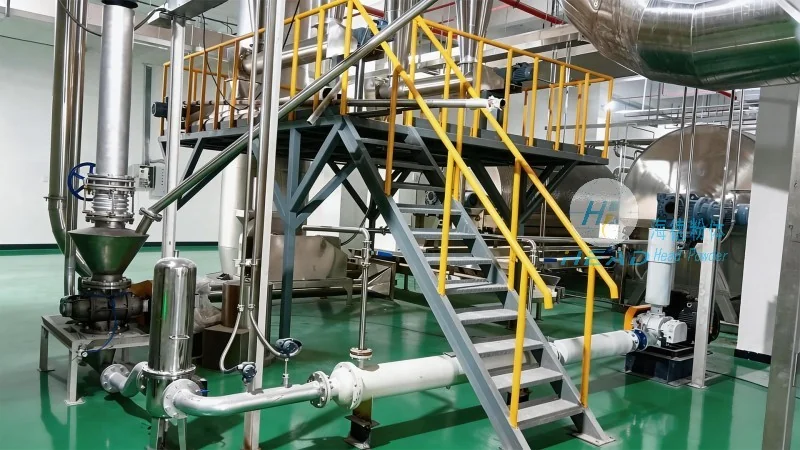
Design Principles of Positive Pressure Dense Phase Conveying Systems
The design of a positive pressure dense phase material handling system involves several critical principles to ensure optimal performance and reliability. The primary design principle is the creation of a high-pressure air stream that propels the material through the pipeline. This is achieved by using a positive displacement blower or a high-pressure compressor, which generates the necessary pressure to maintain the material in a dense phase. The system typically includes a hopper or feeder that meters the material into the conveying line, a pressure vessel or surge tank to regulate the flow, and a control system to monitor and adjust the pressure and flow rates. The pipeline is often equipped with special fittings, such as elbows and bends, that are designed to minimize pressure drop and maintain the dense phase condition. Additionally, the system may incorporate features like air separation and material recovery to enhance efficiency and reduce waste.
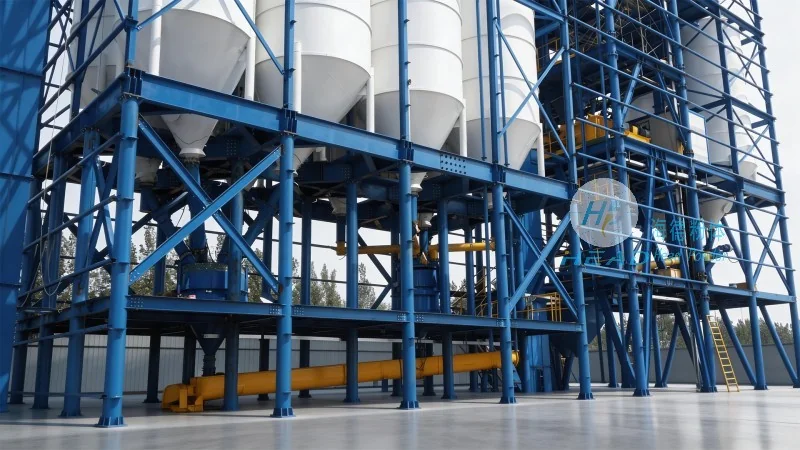
Key Components and Their Functions
Several key components are integral to the operation of a positive pressure dense phase material handling system. The first is the positive displacement blower or compressor, which provides the high-pressure air required to move the material. This component is typically chosen based on the material's properties, such as particle size, density, and moisture content, as well as the desired conveying distance and flow rate. The second critical component is the material feeder, which ensures a consistent and controlled feed rate into the conveying line. Feeder types may include screw feeders, rotary valves, or vibratory feeders, depending on the material's characteristics. The third component is the pressure vessel or surge tank, which acts as a buffer to maintain a stable pressure and flow, preventing fluctuations that could disrupt the dense phase condition. The pipeline itself is usually made of stainless steel or other corrosion-resistant materials to handle the high-pressure air and the material being conveyed. Fittings and valves are strategically placed to control the flow direction and pressure, while also allowing for maintenance and cleaning.
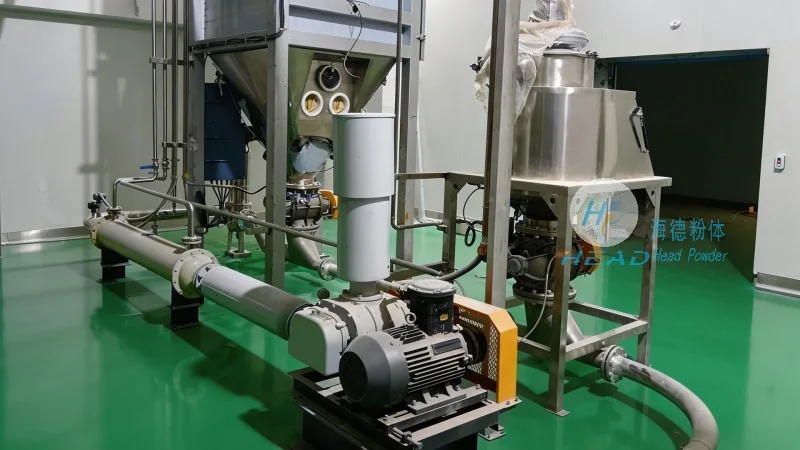
Advantages of Using Positive Pressure Dense Phase Conveying
Positive pressure dense phase material handling equipment offers several advantages over traditional conveying methods. One of the most significant benefits is the ability to transport materials with high moisture content or those that are prone to clumping or segregation. The dense phase condition prevents the material from becoming airborne, reducing dust emissions and improving safety in the workplace. Additionally, this method is highly efficient in terms of energy consumption, as it uses less air volume compared to other pneumatic conveying systems. The equipment also allows for longer conveying distances without significant pressure loss, making it suitable for applications where the material needs to be transported over considerable distances. Another advantage is the ability to handle a wide range of materials, from fine powders to coarse granules, without the need for pre-processing or conditioning. This versatility makes the system suitable for various industrial applications, from pharmaceutical manufacturing to chemical processing.
Applications in Different Industries
The positive pressure dense phase material handling equipment is widely used across various industries due to its versatility and efficiency. In the pharmaceutical industry, for example, this equipment is used to transport active pharmaceutical ingredients (APIs) and excipients with high precision and minimal contamination. The dense phase condition ensures that the material remains intact and free from degradation, which is crucial for maintaining product quality and regulatory compliance. In the food processing industry, the system is used to convey ingredients such as flour, sugar, and spices, ensuring that the product remains fresh and free from dust. The equipment is also commonly used in the chemical industry to transport powders and granules, such as fertilizers and chemicals, where the integrity of the material is essential for downstream processes. In the mining industry, dense phase conveying is used to transport ore and other minerals from the mine to processing facilities, reducing the need for traditional trucking and improving operational efficiency.
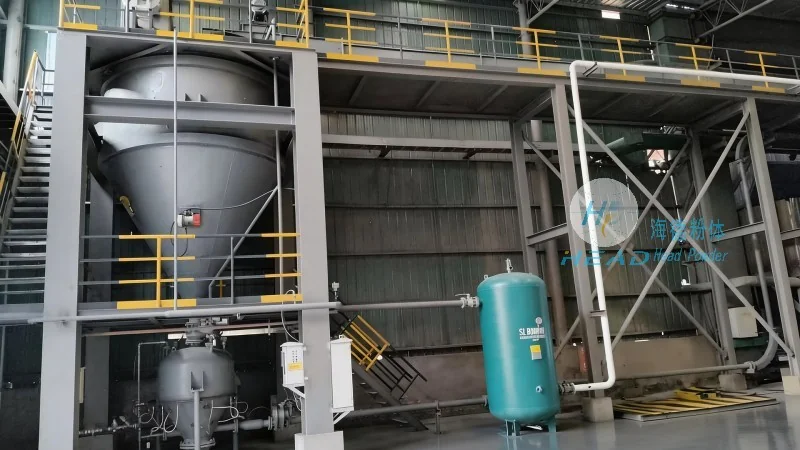
Maintenance and Operational Considerations
Proper maintenance and operational considerations are essential to ensure the long-term performance and reliability of a positive pressure dense phase material handling system. Regular maintenance of the blower or compressor is crucial to maintain the required pressure and airflow. This includes checking for wear and tear, lubricating moving parts, and replacing filters as needed. The material feeder should also be inspected regularly to ensure it is functioning correctly and not clogging. The pipeline and fittings should be checked for any signs of corrosion or damage, and cleaned as necessary to prevent material buildup. Operational considerations include monitoring the pressure and flow rates, adjusting the feed rate as needed, and ensuring that the system is operating within the recommended parameters. Proper training of operators is also important to ensure that the system is used correctly and safely. By following these maintenance and operational guidelines, the equipment can provide reliable and efficient material handling for many years.