

What Are the Delivery Methods for Manganese Silicate? An Overview of the Advantages and Features of Pneumatic Conveying
When it comes to transporting manganese silicate, selecting the right delivery method is crucial for ensuring efficiency, safety, and cost-effectiveness in industrial operations. Manganese silicate, a compound widely used in various industries such as battery manufacturing, steel production, and chemical processing, requires reliable and efficient transport solutions to maintain product quality and operational productivity. Among the available options, pneumatic conveying stands out as a preferred method due to its unique advantages and characteristics that address the specific challenges associated with handling this material.
Understanding Manganese Silicate and Its Transport Requirements
Manganese silicate, also known as manganese(II) silicate or manganese silicate, is a chemical compound with the formula MnSiO₃. It is typically produced through the reaction of manganese oxide with silica, and its properties, including its particle size, moisture content, and bulk density, significantly influence the choice of transport method. The material's tendency to agglomerate or create dust during handling, as well as its potential reactivity under certain conditions, necessitates specialized conveying systems that can maintain product integrity and prevent contamination. Industrial applications often demand consistent flow rates, minimal product degradation, and the ability to handle varying material characteristics, making the selection of an appropriate delivery method a critical decision for manufacturers.
Common Delivery Methods for Manganese Silicate
Several delivery methods are employed for transporting manganese silicate, each with its own set of advantages and limitations. Traditional methods include belt conveyors, screw conveyors, and bucket elevators, which are widely used for bulk material handling. However, these methods may not be suitable for manganese silicate due to its fine particle size and potential for dust generation. Belt conveyors, for instance, can cause material degradation through friction and may require additional dust control measures. Screw conveyors, while effective for handling dry powders, can suffer from blockages and wear due to the abrasive nature of manganese silicate particles. Bucket elevators, though capable of vertical transport, may not provide the gentle handling needed to prevent agglomeration.
Pneumatic Conveying: The Preferred Method for Manganese Silicate
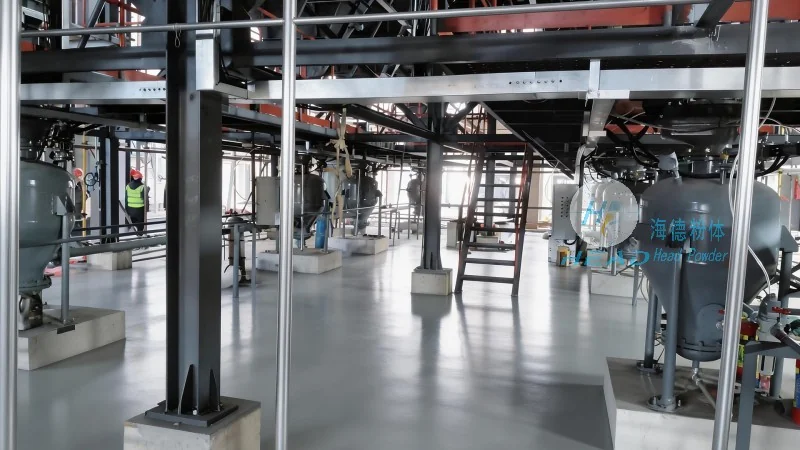
Pneumatic conveying has emerged as the most effective and efficient method for transporting manganese silicate. This technology utilizes air or other gases to move the material through a pipeline system, offering several key advantages that address the material's specific properties. One of the primary benefits is the ability to handle fine powders and prevent dust dispersion, which is critical for maintaining product quality and ensuring workplace safety. Pneumatic systems can transport manganese silicate over long distances with minimal loss, and they are capable of handling varying flow rates and material compositions without the need for frequent adjustments. The gentle, continuous flow of material in pneumatic conveying reduces the risk of agglomeration and product degradation, preserving the integrity of the manganese silicate for downstream processing.
Advantages of Pneumatic Conveying for Manganese Silicate
The advantages of pneumatic conveying for manganese silicate are multifaceted and contribute significantly to improved operational performance. Firstly, the system provides a dust-free environment, which is essential for maintaining product purity and complying with environmental regulations. Unlike mechanical conveyors, pneumatic systems do not generate significant dust, reducing the risk of contamination and the need for extensive dust control measures. Secondly, pneumatic conveying offers high efficiency in terms of material transport, with the ability to move large volumes of manganese silicate quickly and reliably. The system's flexibility allows for integration with existing production lines, enabling seamless material flow from storage to processing units. Thirdly, the gentle handling of material in pneumatic systems minimizes product degradation, ensuring that the manganese silicate retains its desired properties for end-use applications. This is particularly important in industries where the material's chemical composition and particle size are critical, such as battery manufacturing or steel production.
Key Features of Manganese Silicate Pneumatic Conveying Systems
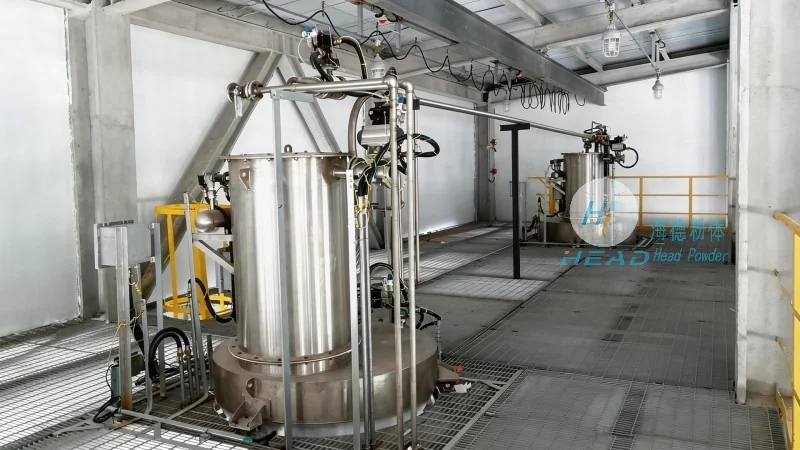
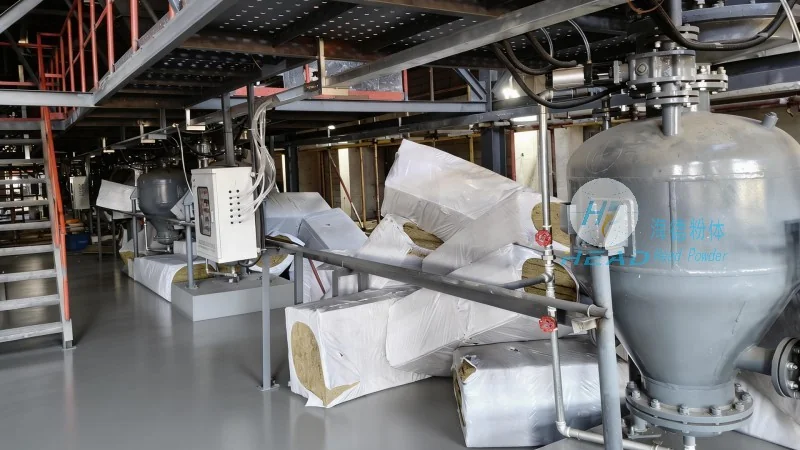
Modern pneumatic conveying systems for manganese silicate are designed with specific features to enhance performance and reliability. These systems typically include components such as feeders, airlocks, pipelines, and receivers, each optimized for the material's characteristics. The feeders, often rotary or vibratory, ensure a consistent and controlled flow of manganese silicate into the conveying line, preventing blockages and maintaining uniform material transport. Airlocks are used to isolate the material from the air stream, preventing backflow and ensuring that the material is conveyed in a controlled manner. The pipeline system is constructed from materials resistant to the abrasive nature of manganese silicate, such as stainless steel or specialized coatings, to minimize wear and extend the system's lifespan. Receivers are designed to collect the material at the destination point, with features like dust collection and product discharge mechanisms to maintain efficiency and safety.
Applications of Manganese Silicate Pneumatic Conveying
The benefits of pneumatic conveying for manganese silicate are evident in various industrial applications. In battery manufacturing, manganese silicate is used as a cathode material, and efficient transport is essential to maintain the quality of the material for battery production. Pneumatic systems ensure that the manganese silicate is delivered to the production line without degradation, contributing to the overall efficiency of the battery manufacturing process. In steel production, manganese silicate is used as a flux or additive, and its reliable transport is crucial for maintaining the quality of the steel. The ability of pneumatic conveying to handle varying material compositions and flow rates makes it ideal for steel production facilities, where consistent material supply is critical. Additionally, in chemical processing, manganese silicate is used as a catalyst or additive, and the gentle handling provided by pneumatic systems preserves the material's reactivity, ensuring optimal performance in chemical reactions.
Conclusion: Choosing the Right Delivery Method for Manganese Silicate
When selecting a delivery method for manganese silicate, it is essential to consider the material's properties, the specific requirements of the application, and the operational goals of the facility. While traditional methods like belt and screw conveyors have their uses, pneumatic conveying offers superior performance in terms of efficiency, safety, and product integrity. The advantages of pneumatic conveying, including dust-free operation, gentle handling, and high transport efficiency, make it the preferred choice for many industrial applications. By investing in a well-designed pneumatic conveying system, manufacturers can ensure reliable and cost-effective transport of manganese silicate, enhancing overall operational productivity and product quality. For companies seeking to optimize their manganese silicate handling processes, pneumatic conveying represents a robust and effective solution that aligns with modern industrial standards.