

What is a Fine Aggregate Material Conveying Line? And What Are Its Design Principles?
Understanding the fine aggregate material conveying line is crucial for industries that rely on efficient material handling, particularly in the construction and building materials sectors. This equipment plays a vital role in transporting fine aggregates, such as sand and gravel, which are essential components in various construction projects. The design principles behind these systems are tailored to ensure optimal performance, reliability, and adaptability to diverse operational needs.
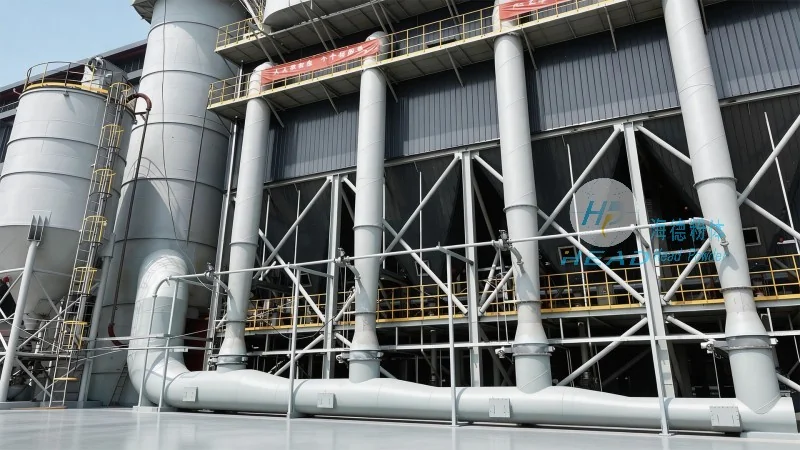
What is a Fine Aggregate Material Conveying Line?
A fine aggregate material conveying line, often referred to as a sand and gravel conveying system, is a specialized piece of machinery designed to transport fine aggregates—like sand, crushed stone, and other granular materials—from one location to another. These systems are integral to modern construction and manufacturing processes, as they enable the efficient movement of raw materials to production sites or storage areas. The primary goal of such a line is to streamline material handling, reduce manual labor, and enhance overall operational efficiency. The system typically consists of a series of components, including feeders, conveyors, and control mechanisms, all working in tandem to ensure smooth and continuous material flow.
The Core Design Principles of a Fine Aggregate Material Conveying Line
The design of a fine aggregate material conveying line is guided by several fundamental principles aimed at maximizing performance and minimizing operational issues. First, the system must prioritize efficiency in material transport, ensuring that the conveying speed and capacity meet the demands of the production line. This involves selecting appropriate conveyor types, such as belt conveyors or screw conveyors, based on the characteristics of the fine aggregates being handled—such as particle size, moisture content, and bulk density. Second, the design emphasizes stability and reliability. The equipment must be able to handle the abrasive nature of fine aggregates without excessive wear or breakdown, which requires robust construction materials and proper maintenance protocols. Third, adaptability is a key design consideration. Modern conveying lines are often designed to accommodate variations in material flow rates, changes in material properties, or shifts in operational requirements. This flexibility is achieved through adjustable speed controls, variable feed mechanisms, and modular components that can be easily reconfigured.
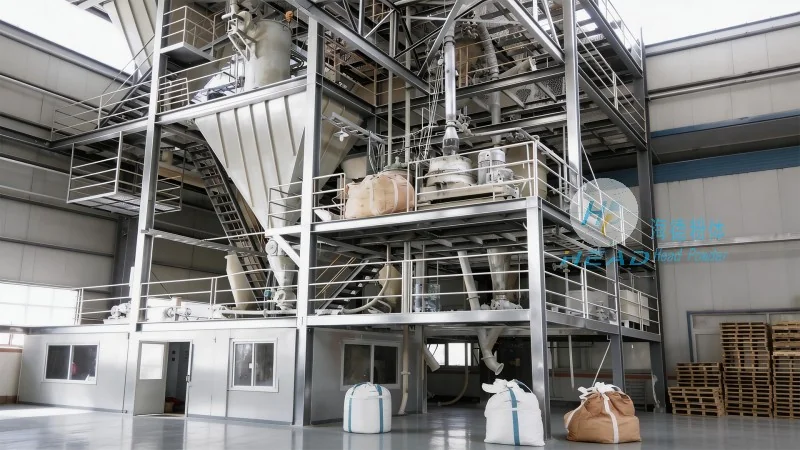
Key Components and Their Functions in the System
Several critical components make up a fine aggregate material conveying line, each serving a specific function to ensure the system operates effectively. The first component is the feeder, which is responsible for uniformly feeding the fine aggregates into the conveyor. Common types of feeders include belt feeders and screw feeders, which regulate the flow rate and prevent material buildup or overloading. Next, the conveyor itself is the heart of the system, responsible for transporting the material from the feeder to the discharge point. Belt conveyors are widely used due to their high capacity and ability to handle a wide range of materials, while screw conveyors are preferred for vertical or inclined transport. The drive system, which includes motors and gearboxes, provides the necessary power to move the conveyor. Control systems, such as PLC (Programmable Logic Controller) units, monitor and regulate the operation of the feeder, conveyor, and other components, ensuring safe and efficient operation. Finally, the discharge mechanism, such as a chute or hopper, directs the material to its final destination, whether it is a storage silo, a processing plant, or a construction site.
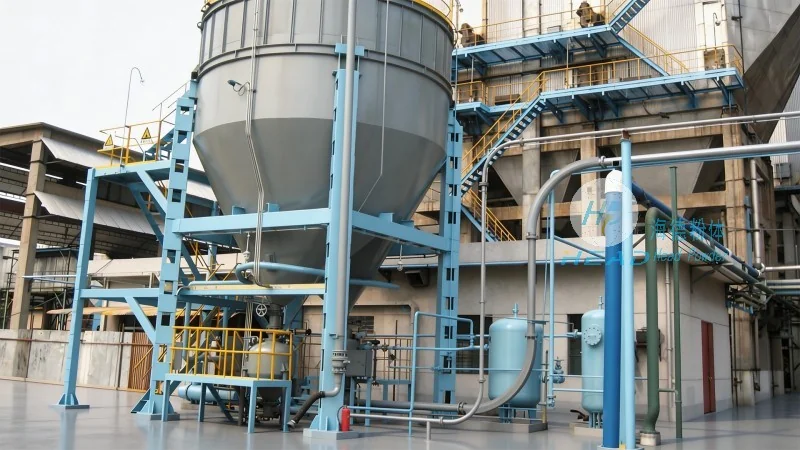
Practical Applications and Industry Relevance
Fine aggregate material conveying lines are widely used in various industries, with the construction sector being the most prominent. In construction, these systems are essential for transporting sand and gravel to building sites, where they are used in concrete production, road construction, and landscaping projects. The efficiency of the conveying line directly impacts the speed and cost of construction projects, as delays in material delivery can lead to project delays and increased costs. Beyond construction, these systems are also used in the manufacturing of building materials, such as cement, asphalt, and concrete products. In these applications, the conveying line ensures a steady supply of fine aggregates to production lines, enabling consistent product quality and output. Additionally, the system is used in mining operations to transport crushed stone and sand from extraction sites to processing facilities. The ability to handle abrasive materials and maintain high throughput makes the fine aggregate material conveying line a valuable asset in these industries.
Overall, the fine aggregate material conveying line is a critical piece of equipment that enhances operational efficiency and productivity in industries that rely on fine aggregates. By understanding its design principles and components, businesses can optimize their material handling processes and achieve better results. The expertise of companies like Shandong HeadPowder Engineering Co., Ltd. in designing and manufacturing such systems ensures that clients receive reliable and efficient solutions tailored to their specific needs.