

PVC Resin Conveying Methods: An Overview of the Advantages and Features of PVC Resin Pneumatic Conveying
When it comes to transporting PVC resin, selecting the right conveying method is crucial for efficiency, cost-effectiveness, and material integrity. Various options are available, each with its own set of advantages and considerations. This article explores the primary PVC resin conveying methods and highlights the key benefits of pneumatic conveying, a popular choice in the industry.
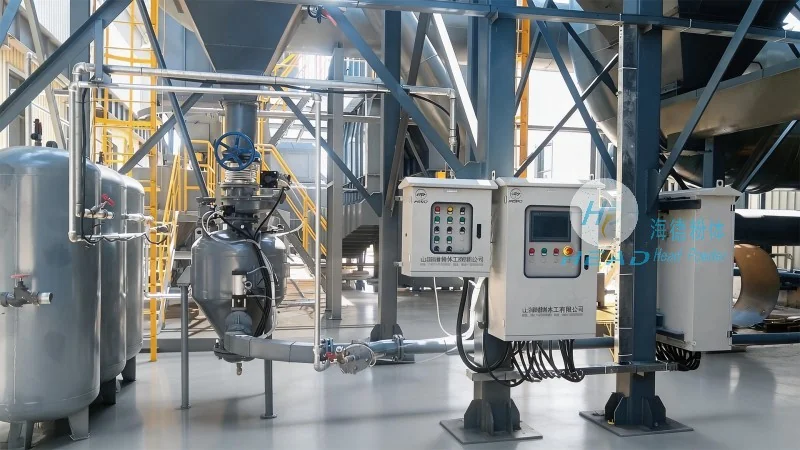
Overview of Common PVC Resin Conveying Methods
PVC resin, a versatile polymer used in a wide range of applications from construction materials to consumer products, requires reliable and efficient transport systems to move it from storage to processing facilities. Traditional methods like belt conveyors, screw conveyors, and bucket elevators have been widely used, but they may face challenges with PVC resin, such as material buildup, wear and tear, and the need for frequent maintenance. In contrast, pneumatic conveying offers a more flexible and effective solution for handling PVC resin, especially in applications where dust control and material purity are critical.
Pneumatic Conveying: A Detailed Look at Its Advantages
Pneumatic conveying, also known as air conveying, uses compressed air to transport materials through a pipeline system. For PVC resin, this method provides several distinct advantages that make it a preferred choice for many manufacturers. One of the most significant benefits is the ability to handle fine powders and granules without the need for mechanical components that can cause contamination or degradation. The enclosed system also helps in maintaining a clean and dust-free environment, which is essential for PVC resin applications where purity is paramount.
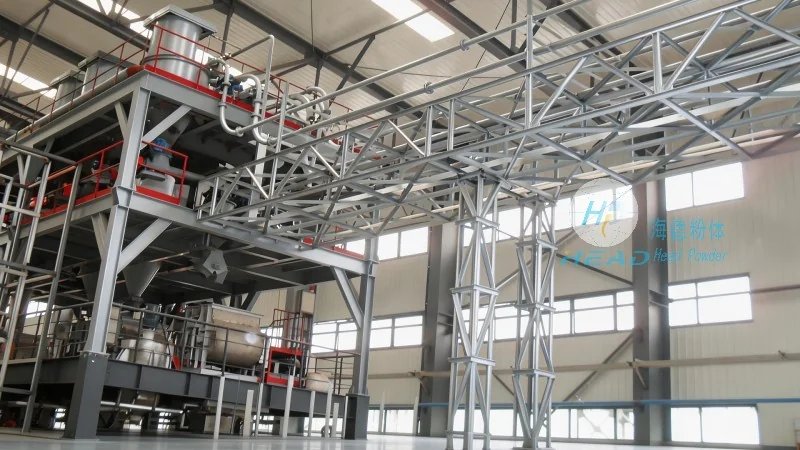
Key Features of PVC Resin Pneumatic Conveying Systems
The effectiveness of pneumatic conveying for PVC resin is enhanced by several key features of the system design. First, the use of positive displacement blowers or rotary lobe pumps ensures consistent air pressure and flow, which maintains a steady material flow rate. This is particularly important for PVC resin, which can be sensitive to variations in flow that may affect processing consistency. Second, the system's flexibility allows for multiple pickup and discharge points, enabling a more integrated material handling process. This flexibility is especially valuable in large-scale production facilities where materials need to be moved between different processing stages efficiently.
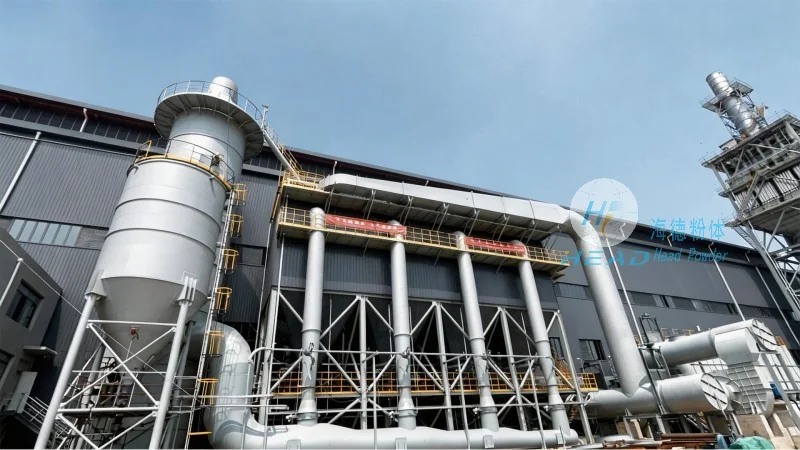
How Pneumatic Conveying Improves Productivity and Quality
Implementing pneumatic conveying for PVC resin not only improves operational efficiency but also enhances product quality. By eliminating the need for manual handling and reducing the risk of material contamination, the system ensures that the PVC resin reaches the processing stage in its optimal condition. This leads to better product consistency and reduces the likelihood of defects in the final product. Additionally, the enclosed nature of the system minimizes dust emissions, contributing to a safer working environment and compliance with environmental regulations.
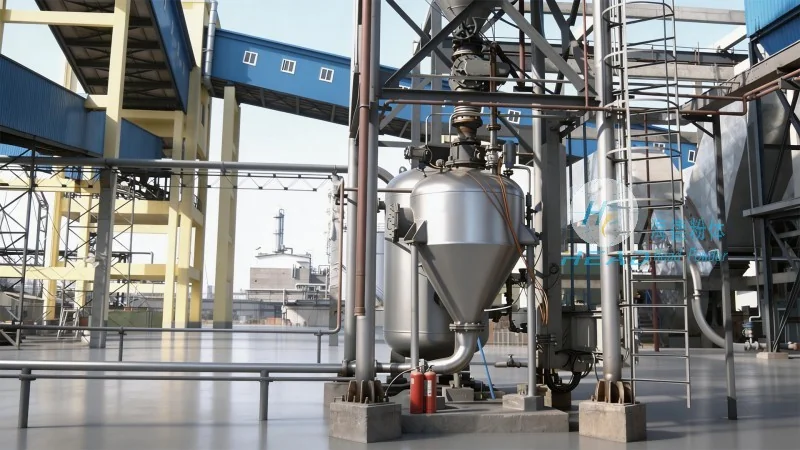
Considerations for Selecting the Right PVC Resin Conveying System
When choosing a conveying system for PVC resin, several factors must be considered to ensure the best fit for the specific application. The first consideration is the material's properties, such as particle size, moisture content, and flowability. PVC resin, being a fine powder or granule, may require a system with appropriate air velocity and pressure to prevent clogging or material degradation. Second, the scale of the operation and the distance over which the material needs to be transported are critical. For short distances, a low-pressure system may suffice, while longer distances may necessitate high-pressure or vacuum systems. Third, the budget and maintenance requirements should be evaluated, as pneumatic conveying systems, while offering long-term benefits, may have higher initial costs and require regular maintenance to maintain optimal performance.
Conclusion: The Role of Pneumatic Conveying in PVC Resin Handling
In conclusion, pneumatic conveying stands out as a highly effective and efficient method for transporting PVC resin. Its ability to handle fine materials, maintain product purity, and offer flexibility in system design makes it a preferred choice for many industries. By understanding the advantages and considerations of pneumatic conveying, manufacturers can make informed decisions that enhance productivity, improve product quality, and ensure compliance with industry standards. As the demand for PVC resin continues to grow, the adoption of advanced conveying systems like pneumatic conveying will remain essential for meeting the evolving needs of the market.