

What is a Plug Flow Material Handling System? Understanding Its Design Principles
Plug flow material handling systems represent a specialized approach to transporting bulk materials, particularly in industries where maintaining product integrity and preventing cross-contamination is critical. These systems are engineered to move materials in a sequential, plug-like manner, ensuring that each batch of material moves as a distinct entity through the system. This method is widely used in pharmaceutical, food processing, and chemical industries where product purity and consistent quality are paramount.
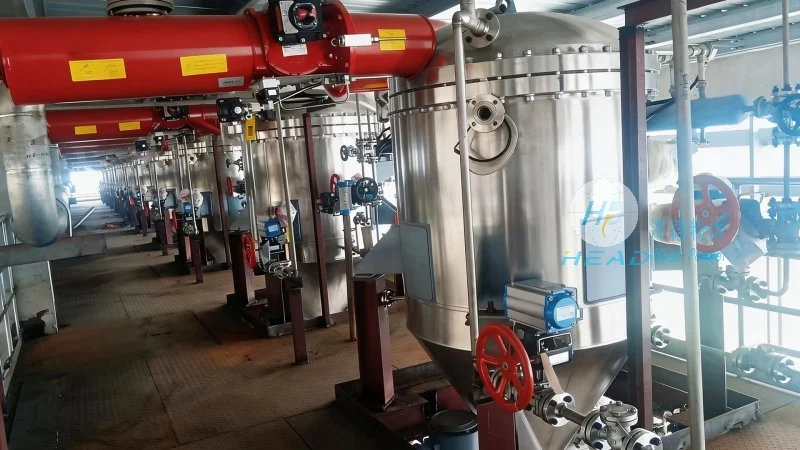
Understanding the Core Concept of Plug Flow Systems
In essence, a plug flow system operates by dividing the material into discrete "plugs" or segments, each of which travels through the pipeline or conveyor at a controlled, uniform rate. Unlike continuous flow systems where materials are mixed and blended, plug flow systems maintain the separation of each batch, which is essential for applications requiring strict batch tracking and quality control. The design ensures that no two batches of material ever mix, preserving the unique characteristics of each product batch.
The Design Principles Behind Plug Flow Material Handling
The design of a plug flow material handling system is built on several key principles that enable its unique functionality. First, the system relies on pressure-driven flow, where a pump or compressor creates a pressure gradient that propels the material through the system. This pressure is carefully controlled to maintain the integrity of the material plugs and prevent any leakage or mixing. Second, the system incorporates robust sealing mechanisms, such as double diaphragm pumps or positive displacement pumps, which ensure that the material remains contained within the system and does not come into contact with the environment or other materials.
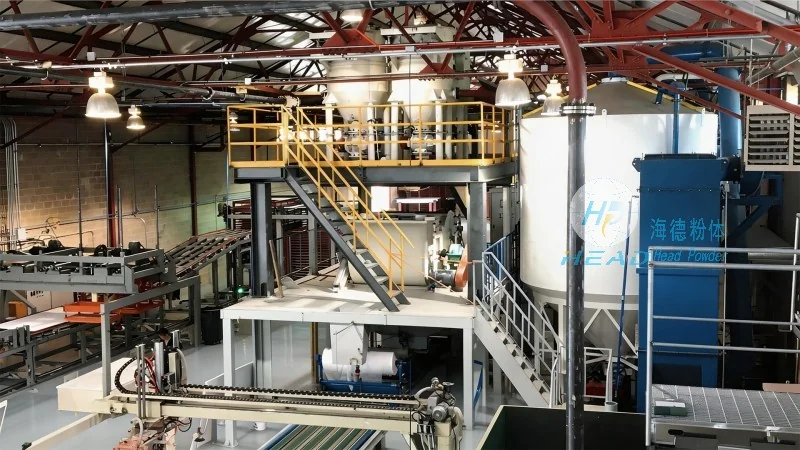
Third, the system's design emphasizes the use of uniform pipe diameters and smooth, non-porous surfaces to minimize friction and maintain the shape of the material plugs. This reduces the risk of material degradation or degradation during transport. Additionally, the system may include check valves and flow control devices to regulate the speed and direction of the material flow, ensuring that each plug moves at a consistent pace and reaches the destination without interruption.
Applications and Industries Where Plug Flow Systems Excel
Plug flow material handling systems are particularly well-suited for industries that demand high levels of product purity and batch consistency. In the pharmaceutical industry, for example, these systems are used to transport active pharmaceutical ingredients (APIs) and finished drug products, ensuring that each batch remains separate and free from contamination. In the food processing sector, plug flow systems are employed to handle ingredients like powders, granules, and liquids, maintaining the quality and safety of food products. Similarly, in the chemical industry, these systems are used to transport reactive or hazardous materials, where preventing cross-contamination is essential for both safety and regulatory compliance.
HeadPowder: A Leading Provider of Plug Flow Material Handling Solutions
HeadPowder, a prominent manufacturer based in Shandong, China, is dedicated to providing innovative and reliable plug flow material handling systems. With years of experience in the industry, HeadPowder specializes in customizing solutions to meet the specific needs of clients, ensuring that each system is tailored to the unique requirements of the application. The company's products are designed with precision engineering and quality materials, guaranteeing durability, efficiency, and compliance with industry standards. HeadPowder's commitment to excellence has made it a trusted partner for businesses seeking advanced material handling solutions that deliver consistent performance and product integrity.
Key Features and Advantages of Plug Flow Systems
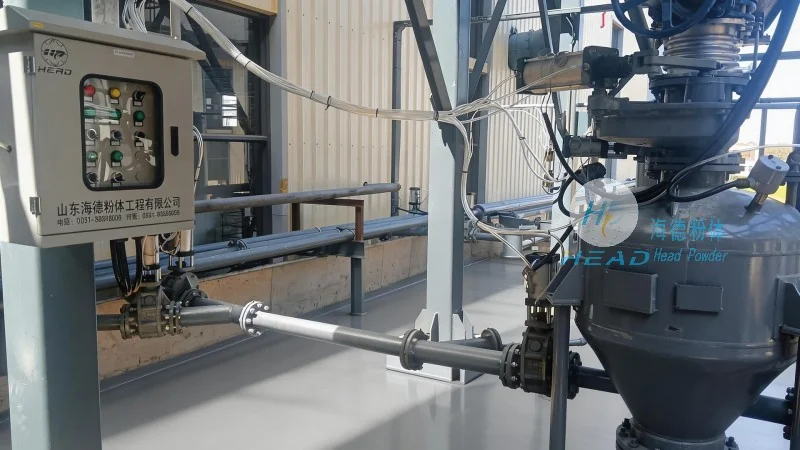
Plug flow material handling systems offer several advantages over traditional continuous flow systems. The primary benefit is the ability to maintain batch separation, which is crucial for industries where product purity and traceability are critical. This feature allows for precise batch tracking and quality control, reducing the risk of product recalls or quality issues. Additionally, plug flow systems are highly efficient in terms of material transport, as they minimize the need for mixing or blending, which can be time-consuming and costly. The systems also reduce the risk of material degradation due to friction or exposure to the environment, ensuring that the final product meets the highest standards of quality.
Conclusion: The Importance of Plug Flow Material Handling Systems
Plug flow material handling systems represent a sophisticated and effective solution for transporting bulk materials in industries where product integrity and batch consistency are non-negotiable. By understanding the design principles and applications of these systems, businesses can make informed decisions about implementing the right material handling solutions for their operations. With companies like HeadPowder leading the way in providing advanced plug flow systems, the industry continues to advance in terms of efficiency, safety, and product quality. As demand for high-purity materials grows, the importance of plug flow material handling systems will only increase, making them an essential component of modern industrial operations.